


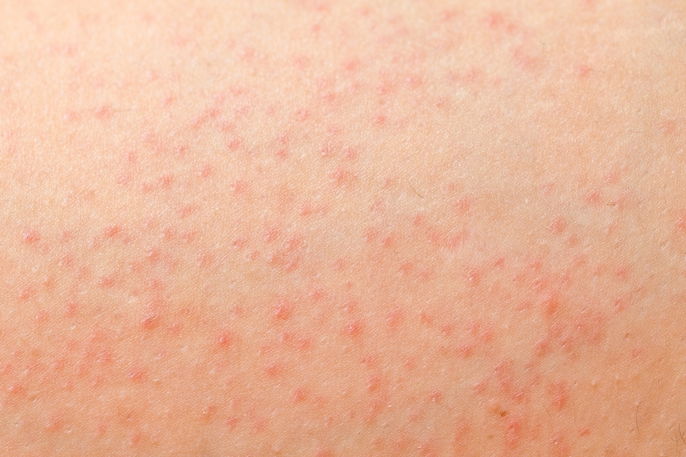
Petechiae are red, pinpoint dots on the skin that generally appear in clusters as a result of bleeding below the skin or mucosa. They can also be purple or brown in color, and are commonly seen in the arms, legs, stomach, on the palate or eyes.
Petechiae can be caused by trauma, infectious diseases, abnormal blood vessels, allergic reactions, auto-immune diseases or medication side effects.
It is important to see your doctor or a hematologist if you frequently notice petechiae so that you can understand what is causing them and start treatment as necessary.
When to worry
Petechiae is usually a result of bleeding into the skin, which can be provoked by a number of conditions. A child or adult who presents with a petechial rash and a fever should be urgently assessed by a doctor. Petechiae should also be assessed if this rash presents with any of the following signs or symptoms:
- Vomiting, nausea or diarrhea
- Recent contact with another person with a respiratory or gastrointestinal infection
- Other signs of bleeding (in the gums, stool, or other bruising)
- Decreased alertness
- Rapid heart rate or breathing
Petechiae rashes that spread rapidly are also a sign of concern. Parents and health care professionals are advised to demarcate the rash with a pen directly on the skin to monitor whether the rash remains confined to one area or if it does spread to other areas of the body.
Petechiae are small red, purple, or brown dots that usually appear in clusters due to minor bleeding under the skin or mucous membranes. They are more commonly found on the arms, legs, or abdomen, but can also show up in the mouth or on the eyes.
Petechiae may be caused by trauma, infections, changes in blood vessels, or as a reaction to certain medications.
It is important to see a primary care doctor, hematologist, or dermatologist whenever petechiae appear, so the underlying cause can be identified and proper treatment can be started.
What they look like
The main features of petechiae include:
-
Small dots under the skin or mucous membranes
-
Size around 1 to 2 mm
-
Usually appear in clusters
-
Red, purple, or brown in color
Petechiae tend to appear more often on the arms, legs, and abdomen, but in some cases, they may also show up in the mouth, on the buttocks, or inside the eyelids.
They can sometimes be accompanied by other symptoms, such as fever, headache, muscle pain, nausea, or bleeding from the nose or gums, depending on the cause.
Possible causes
1. Infections
Petechiae can occur due to viral infections such as mononucleosis, dengue, yellow fever, or cytomegalovirus, as well as bacterial infections like scarlet fever, endocarditis, and strep throat.
What to do: A doctor may prescribe antibiotics for bacterial infections and recommend pain relievers or anti-inflammatory medications to ease symptoms such as pain, fever, or swelling. In viral infections, treatment usually involves rest, increased fluid intake, and over-the-counter medications such as acetaminophen.
2. Medication reactions
Certain medications can cause petechiae as a side effect, including antibiotics like amoxicillin and sulfonamides; blood thinners like heparin; seizure medications such as phenytoin and carbamazepine; and nonsteroidal anti-inflammatory drugs (NSAIDs) like ibuprofen and diclofenac.
What to do: It’s important to tell a primary care doctor or hematologist about the reaction. The doctor may recommend stopping the medication and switching to another option.
3. Scurvy
Scurvy is a condition caused by a lack of vitamin C. Without enough vitamin C, the body can't make collagen properly, which weakens blood vessels and causes them to break, leading to petechiae and bleeding.
What to do: A doctor may suggest vitamin C supplements and dietary changes to include more foods rich in vitamin C, such as oranges, strawberries, and bell peppers.
4. Trauma
Strong sneezing, intense coughing, vomiting, or physical strain can rupture small blood vessels and cause petechiae, especially on the face, neck, or chest.
What to do: Petechiae from physical strain usually go away on their own within 3 to 7 days. Avoiding heavy effort during this time is recommended.
5. Vasculitis
Vasculitis is inflammation of the blood vessels, which can cause blood to leak into the skin and form petechiae. It may be triggered by autoimmune diseases like lupus or Henoch-Schönlein purpura, and can also occur with leukemia.
What to do: A hematologist can determine the right treatment, which may include corticosteroids like prednisone to reduce inflammation. If the cause is an autoimmune condition, the doctor may also prescribe immunosuppressive medications. In the case of leukemia, treatment may involve chemotherapy or a stem cell transplant.
6. Thrombocytopenia
Thrombocytopenia is a drop in platelet levels in the blood, which can lead to small areas of bleeding under the skin, resulting in petechiae.
What to do: A hematologist may prescribe corticosteroids or immunoglobulin therapy, and in some cases, a platelet transfusion may be needed.