


- Pelvic pain during pregnancy is usually harmless, but sudden or severe pain with vaginal bleeding, weakness, sweating, or a racing heartbeat may signal placental abruption and requires immediate medical attention.
- Fever, chills, nausea, vomiting, or burning when urinating along with pelvic pain may indicate an infection such as a urinary tract infection or appendicitis and should be evaluated promptly.
- Pelvic pain that becomes intense, occurs on one side of the abdomen, or makes it difficult to walk or bear weight should be assessed by a doctor to rule out complications affecting the pelvis, hips, or pregnancy.
Pelvic pain during pregnancy is common and is usually related to normal changes in the body, including weight gain, hormonal shifts, and the stretching of ligaments that support the pelvis. These changes help prepare the body for childbirth but may cause discomfort, pressure, or reduced mobility.
In many cases, pelvic pain during pregnancy is linked to factors such as pelvic girdle pain, symphysis pubis dysfunction, or changes in posture as the baby grows. Relief may include gentle exercise, supportive belts, sleeping positions with pillows, and physiotherapy to improve stability and reduce strain on the pelvic joints.
Although pelvic pain during pregnancy is often harmless and improves after birth, it can sometimes be related to infections or more serious conditions such as placental abruption. Symptoms like fever, burning when urinating, severe abdominal pain, or unusual discharge require prompt medical evaluation.
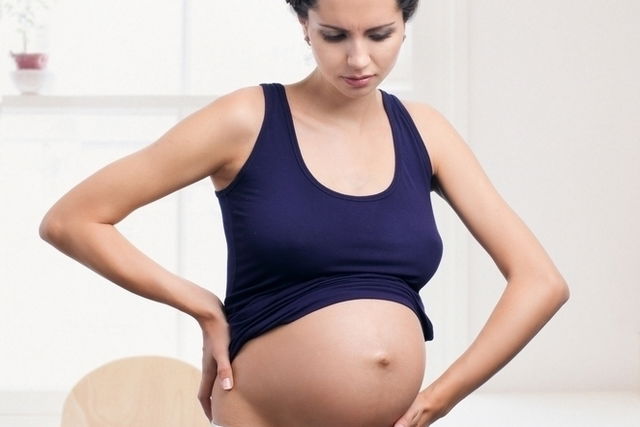
What causes pelvic pain during pregnancy?
Pelvic pain during pregnancy is typically caused by:
1. Increase in baby weight
Increases in the baby’s weight, especially during the first trimester of pregnancy, can lead to pelvic pain. This pain is related to stretching and relaxing of the pelvic ligaments and muscles to make room for the baby.
How to relieve: Avoid strenuous activity like heavy lifting or carrying weight. You can also participate in activities such as water aerobics, walking, and Kegel exercises to strengthen the muscles and ligaments of the pelvis.
2. Body changes
Changes in the mother’s body are completely normal during pregnancy. One of the main body changes is the curvature of the spine to accommodate for the baby’s growth and prepare for labor. This can cause relaxation of pelvic muscles and ligaments and cause pain in the pelvic area.
How to relieve: Performing physical activities can help strengthen the pelvic and back muscles. Pregnant women should avoid wearing high heels, as well as standing on just one leg.
When sleeping, you can keep your spine aligned by sleeping with a pillow between your knees. In some cases, the doctor may also advise a pregnancy belt to support your bump or physiotherapy to strengthen the pelvic muscles.
3. Hormonal changes
Pelvic pain can be caused by the release of a hormone called relaxin, which acts by relaxing the hip and pelvic ligaments and joints to make room for the growing baby. This hormone is released in higher quantities during labor to ease the passage of the baby, and it may cause pelvic pain, which resolves after labor.
How to relieve: You will need to rest and perform exercises targeted at strengthening your pelvic muscles. The doctor may also recommend wearing a belt for the hips to help stabilize the joints and improve your day-to-day activity.
4. Increase in mother’s weight
For nine months each woman may put on 15 to 26 pounds. That rapid increase in weight can overload the pelvic muscles and ligaments, causing pain. This type of pain is be more frequent in women who were overweight or had a sedentary lifestyle prior to getting pregnant.
How to relieve: Wear more comfortable shoes, and avoid straining your back. Remember to use your arms to support yourself when sitting down or getting up.
It’s important to do light-intensity activities such as walking and water aerobics to manage weight and strengthen the pelvic muscles. You can also consult your doctor or registered dietitian regarding how to maintain a healthy, balanced diet.
5. Placental abruption
Placental abruption can happen in any stage of pregnancy. One of the most common symptoms is sudden pain in the pelvis, although you may also experience hemorrhage, intense abdominal pain, weakness, paleness, sweating, or tachycardia.
How to relieve: if you suspect a placental abruption, you should seek medical help immediately or go to the nearest emergency department to get examined.
6. Infections
Some infections such as a urinary tract infection, gastrointestinal infection, appendicitis, or sexually transmitted infection can cause pelvic pain. These types of infections are also associated with symptoms such as fever, chills, nausea or vomiting. If you think you may have a UTI, report your symptoms in our UTI symptoms checker.
How to relieve: You should be assessed immediately to start the most adequate treatment.
7. Pelvic girdle pain (PGP)
Pelvic girdle pain is a condition that occurs when the joints of the pelvis move unevenly or become unstable during pregnancy. This can lead to pain in the pelvis, lower back, hips, or thighs, and may worsen with walking, climbing stairs, or turning in bed.
How to relieve: Reducing activities that place uneven pressure on the pelvis may help reduce symptoms. Physiotherapy exercises, pelvic support belts, and proper posture may also improve stability and relieve discomfort.
8. Symphysis pubis dysfunction (SPD)
Symphysis pubis dysfunction occurs when the joint connecting the two sides of the pelvic bone becomes overly relaxed or separated during pregnancy. This may cause sharp pain in the front of the pelvis or groin and can make walking, standing, or turning in bed difficult.
How to relieve: Limiting activities that require standing on one leg, keeping the knees together when getting in or out of bed, and using pelvic support belts may help reduce strain on the joint.
9. Rare bone-related conditions
In rare cases, pelvic pain during pregnancy can be associated with bone conditions such as transient osteoporosis of pregnancy, osteonecrosis of the hip, or stress fractures of the pelvis. These conditions are uncommon but may cause persistent or severe pelvic or hip pain.
How to relieve: These conditions require medical evaluation. Treatment may include rest, activity modification, and monitoring by a healthcare professional.
How to get relief at home
There are several measures that can help relieve pelvic pain during pregnancy and improve daily comfort. Simple lifestyle adjustments and supportive strategies may help stabilize the pelvis and reduce strain on the joints and muscles.
1. Sleeping positions with pillows
Sleeping on the side with supportive pillows may help maintain proper alignment of the pelvis and spine. Placing a pillow between the knees and another under the abdomen can reduce pressure on the pelvic joints and improve comfort during the night.
Some women may also benefit from specially designed pregnancy pillows that support the abdomen, hips, and lower back simultaneously.
2. Support belts or pelvic ties
Support belts or pelvic ties are commonly recommended to help stabilize the pelvis during pregnancy. These devices provide gentle compression around the hips and pelvis, which may help reduce joint movement and relieve pain during daily activities such as walking or standing.
A healthcare professional may help determine the correct type of belt and how to use it safely.
3. Safe exercises
Regular low-impact physical activity may help strengthen the muscles that support the pelvis and spine. Exercises such as walking, aquatic exercise, gentle stretching, and targeted pelvic stabilization exercises can improve muscle support and reduce discomfort.
Exercise programs during pregnancy should always be adapted to the individual and supervised when necessary to ensure safety.
When to see a physiotherapist
Physiotherapy is often recommended when pelvic pain during pregnancy persists, limits mobility, or interferes with daily activities such as walking, sleeping, or getting dressed.
A physiotherapist trained in women’s health can evaluate pelvic movement, posture, and muscle strength. Treatment may include individualized exercises, manual therapy techniques, movement education, and strategies to reduce strain on the pelvic joints.
Early referral to physiotherapy may help improve pain control, maintain mobility, and support a more comfortable pregnancy.
When to seek immediate medical attention
It’s important to seek medical help immediately when you experience pelvic pain with other symptoms such as:
-
Fever or chills
-
Pain or stinging when urinating
-
Lumps
-
Pain in the intestinal region
-
An intense pain on the right side of the abdomen
In these cases, the doctor will need to order tests such as bloodwork and imaging to assess the mother and the baby’s health.