


Patau syndrome, or trisomy 13, is a genetic disease that impacts the development of the heart, facial features and brain. Babies with this condition are typically born with nervous system malformations, a cleft lip and a low birth weight.
Patau syndrome is more likely to occur in babies born to women over 35 years of age, and this condition is often tested in higher risk pregnancies. It can be detected through tests like an ultrasound, amniocentesis or fetal DNA testing in the mother's blood.
Generally, the average life expectancy of babies with Patau syndrome is 7 to 10 days. However, depending on the severity of the syndrome, some babies can live up to 2 years of age. In any case, all cases are monitored very closely by a pediatrician.
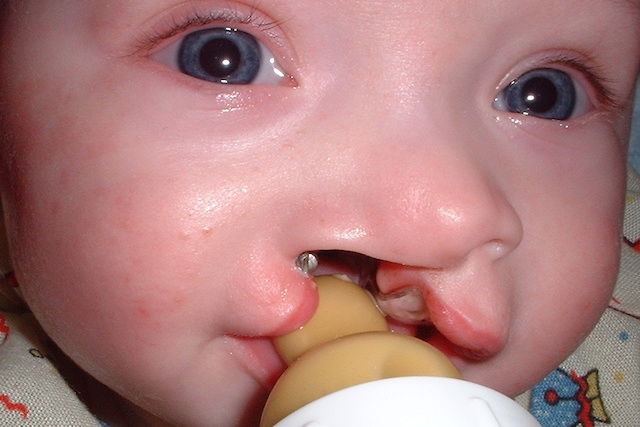
Main symptoms
The most common symptoms of children with Patau syndrome are:
- Severe malformations in the central nervous system;
- Severe intellectual disability
- Congenital heart defects
- In boys, testicles may not descend from the abdominal cavity into the scrotum
- In girls, the uterus and ovaries may develop abnormally
- Cleft lip and mouth
- Malformation of the hands or feet, like extra fingers or toes or rounded bottoms of the feet
- Small or missing eyes
Some babies may also develop microcephaly, deafness, have a low birth weight or have abnormalities in the circulatory and urogenital systems.
Confirming a diagnosis
Patau syndrome is typically diagnosed by an obstetrician, who will typically pick-up on abnormalities through routine prenatal exams. Further tests, like an amniocentesis or fetal genetic blood testing can be requested if Patau syndrome is suspected, especially in high-risk pregnancies.
Following birth, Patau syndrome can be observed through physical characteristics, like facial defects, and results from imaging tests and genetic testing.
Possible causes
The main cause of Patau syndrome is an error that occurs during cell division, which leads to an additional copy of chromosome 13. It is more likely to occur during the pregnancies of women over the age of 35.
Another cause of this syndrome is a faulty embryo transfer, which results in two normal copies of chromosome 13 and an additional long arm of chromosome 13.
Another less common cause is mosaicism, which is not related to maternal age and results in 3 copies of chromosome 13 in some cells in the body, and the expected two copies in others. The symptoms and characteristics of Patau syndrome in people with mosaicism are usually milder than in simple trisomy 13. It is associated with an increased life expectancy in these patients.
Treatment options
Treatment in babies with Patau syndrome is primarily aimed at relieving uncomfortable symptoms and facilitating optimal feeding.
Shortly after birth, some babies with Patau syndrome may require oxygenation and ventilation, which can be done through intubation or a tracheostomy.
For babies with heart defects, the pediatrician may recommend reconstructive surgery. Other surgeries that the doctor may also recommended include herniorrhaphy, repair of cleft lips and palate, placement of a feeding tube, or corrective orthopedic surgeries.
Some targeted treatments that are common with this syndrome include specialized diet plans, physical therapy, occupational therapy, speech therapy, the use of medications to treat seizures and urinary tract infections and the use of hearing aids.