


Palo azul may help with arthritis, prevent kidney stones, support blood sugar control, and reduce premature aging, due to its antioxidant, diuretic, antirheumatic, and antidiabetic properties.
This medicinal plant is also known as palo dulce, vara dulce, or cuate. It contains flavonoids, coumarins, quinones, saponins, and tannins, which are the main compounds responsible for its potential health benefits.
The scientific name of palo azul is Eysenhardtia polystachya. It is native to North America, especially Mexico and the southern United States. Palo azul can be consumed as tea or as a macerated drink, and it is sold in herbal shops and online. In the US, it is available only as an herbal tea or dietary supplement and has not been approved by the FDA for medical use.
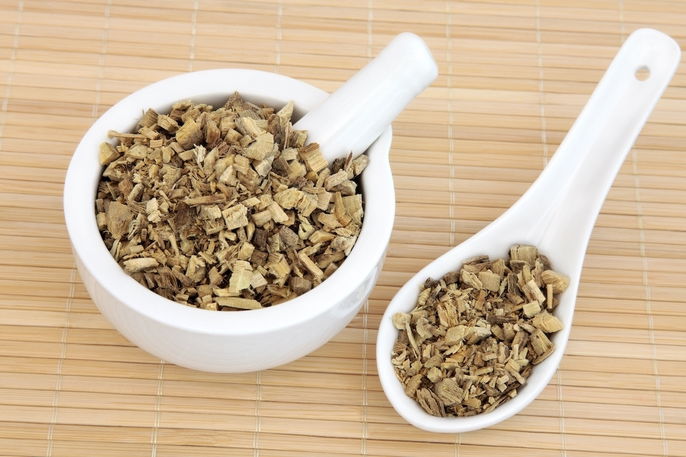
Health benefits
The main potential benefits of palo azul include:
1. May help with arthritis
Preliminary studies suggest that palo azul may have anti-inflammatory and pain-relieving effects due to its flavonoids and other bioactive compounds. These effects could be beneficial for conditions like arthritis, as flavonoids may help reduce inflammation and discomfort.
However, more scientific evidence, especially human clinical trials, is needed to confirm these effects.
2. May help prevent kidney stones
Palo azul contains isoflavones, which may help inhibit the formation and growth of calcium oxalate and calcium phosphate crystals. Some studies suggest it could be used as a preventive option for people with a history of kidney stones.
3. May help prevent urinary tract infections
Palo azul may support urinary tract health thanks to its diuretic and anti-inflammatory properties. By increasing urine production, it may help eliminate bacteria and toxins from the urinary tract, which could reduce infection.
Its anti-inflammatory effects may also help ease irritation and inflammation in the bladder and kidneys, relieving common UTI symptoms. However, palo azul should not replace conventional medical treatment, and professional medical advice is recommended.
4. May help regulate blood sugar
Palo azul is rich in polyphenols, which have strong antioxidant activity. These compounds may help regulate blood sugar levels and support insulin control.
Some studies also suggest that polyphenols may have an antiglycation effect, helping prevent the formation of advanced glycation end-products (AGEs). These compounds are linked to a higher risk of diabetes complications, including nephropathy and fatty liver disease.
5. May help prevent premature aging
Because it contains antioxidants, palo azul may help reduce oxidative stress and protect cells from damage caused by free radicals. This could support skin health, reduce signs of premature aging, and help lower the risk of chronic disease.
However, more research in humans is needed to confirm this benefit.
6. May help relieve pain
Thanks to its bioactive compounds, especially flavonoids, palo azul may have pain-relieving properties. It may help reduce joint pain associated with arthritis and ease kidney-related discomfort.
7. May help prevent cavities
Palo azul may have antimicrobial effects against Streptococcus mutans and Porphyromonas gingivalis, bacteria in the mouth that can cause cavities and gum problems.
Properties of palo azul
Palo azul has been described as having antioxidant, analgesic, anti-inflammatory, antirheumatic, antidiabetic, antimicrobial, anti-aging, diuretic, and antilithic properties.
These effects are mainly linked to its bioactive compounds, including flavonoids, polyphenols, isoflavones, coumarins, quinones, saponins, and tannins.
Palo azul with horsetail and corn silk
In Mexico, it is common to find an herbal blend of palo azul, horsetail, and corn silk.
This infusion is traditionally used to support kidney health and help eliminate toxins from the body. Since all three herbs have diuretic properties, the mixture may help with urinary tract infections, kidney stones, and fluid retention.
However, there are no scientific studies confirming the safety or effectiveness of this combination. Because of this, it is best to consult a healthcare professional before use, especially if taking other medications or managing a medical condition.
How to prepare
There are three common ways to prepare palo azul:
1. Palo azul tea
Ingredients:
-
3 teaspoons of palo azul
-
1 cup (250 ml) of water
-
Lemon and honey (optional)
Preparation:
Bring the water to a boil, add the palo azul, and let it steep until lukewarm. Strain, add lemon and honey if desired, and drink 3 to 4 cups per day.
There are no scientific studies on how long it is safe to drink palo azul tea. For safety, it is generally recommended to use it for no longer than 3 months, with at least a 1-month break before resuming.
2. Palo azul maceration
When pieces of palo azul wood are soaked in water, they give it a bluish tint.
Ingredients:
-
Pieces of palo azul stems or branches with leaves
-
1 liter of cold water
-
Lemon and honey (optional)
Preparation:
Place the palo azul pieces in cold water and let soak overnight. The next day, strain, add lemon and honey if desired, and drink 3 to 4 cups per day.
3. Palo azul, horsetail, and corn silk tea
Ingredients:
-
1 tablespoon of dried palo azul (branches or bark)
-
1 tablespoon of dried horsetail (leaves)
-
1 tablespoon of corn silk (stigma threads)
-
1 liter of water
Preparation:
Bring the water to a boil. Add palo azul, horsetail, and corn silk. Lower the heat and let simmer for 10 to 15 minutes. Remove from heat, let steep for a few minutes, and strain.
This tea can be consumed warm or cold. It is usually recommended to drink 1 to 2 cups per day, ideally one in the morning and one at night.
Possible side effects
No cases of toxicity have been reported, and only a few side effects are associated with palo azul. Some people may experience mild digestive issues such as nausea, vomiting, abdominal pain, or diarrhea.
Contraindications
There are no studies on the safety of palo azul in children, pregnant women, or breastfeeding women. Because of this, its use is not recommended without medical guidance.
People with diabetes or arthritis should consult their doctor before using palo azul, as it may interact with medications used for these conditions.