


Oregano oil is extracted from the Origanum compactum plant and is linked to several health benefits, such as helping fight infections, supporting digestion, and protecting against premature aging.
These effects are mainly due to its high content of carvacrol, ursolic acid, and thymol. These phenolic compounds have antibacterial, antifungal, anti-inflammatory, and antioxidant properties.
Also recommended: Oregano Benefits: 9 Science-Backed Health Effects & How to Use tuasaude.com/en/oreganoOregano oil is sold as a concentrated essential oil or in diluted forms, such as capsules or oral drops.
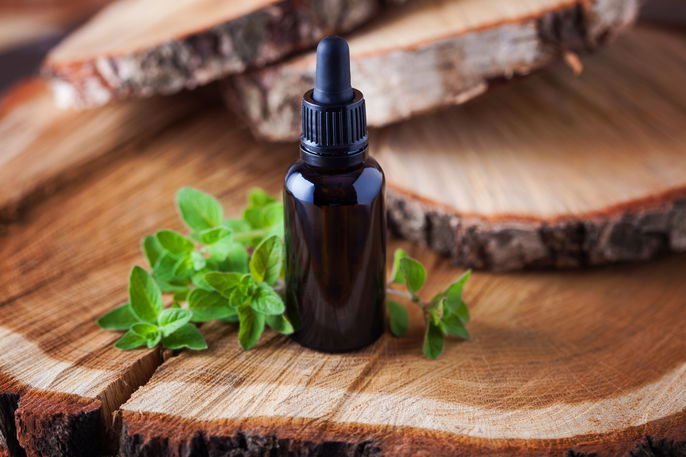
Main benefits
Oregano oil may provide the following health benefits:
1. Fight infections
When applied to the skin, oregano oil may help fight bacterial infections caused by microorganisms such as Escherichia coli and Staphylococcus aureus. This effect is linked to carvacrol, a bioactive compound with antibacterial action.
2. Relieve pain
Carvacrol, a compound in oregano oil, may have mild anti-inflammatory and pain-relieving properties, according to some studies.
These effects are often enhanced when oregano oil is applied to the skin after being diluted in a carrier oil, such as jojoba, olive, or coconut oil.
However, more clinical research is needed to confirm its effectiveness in humans.
3. Prevent premature aging
Because it contains antioxidants such as thymol, rosmarinic acid, and carvacrol, oregano oil may help protect against free radical damage and slow premature aging when used topically or diluted in cosmetic products.
4. Support colds and flu relief
Oregano oil is rich in rosmarinic acid and oleanolic acid, which have antimicrobial, anti-inflammatory, and antioxidant activity.
Lab and animal studies suggest it may help fight respiratory bacteria and viruses, supporting relief from colds and flu.
It can be used to ease mild discomfort by inhaling steam with a few diluted drops. However, there is no strong clinical evidence in humans, so it should not replace medical treatment or be used without professional supervision.
5. Improve digestion
Oregano oil contains ursolic acid, a phenolic compound with antioxidant and anti-inflammatory properties that may help support digestive and liver health.
This benefit is generally achieved with capsules specifically formulated for oral use, taken under professional guidance.
In addition, oregano oil may support gut flora balance and has carminative effects, which can help reduce gas and relieve cramping.
6. Help with oral thrush
Oregano essential oil contains antifungal compounds such as thymol and carvacrol, which may help slow the growth of Candida fungus in the mouth, supporting the treatment of oral thrush.
7. Fight intestinal parasites
Compounds in oregano oil, particularly carvacrol, have shown antiparasitic effects in laboratory and animal studies.
These substances may help combat mild intestinal parasites, but more research in humans is needed to confirm effectiveness.
8. Protect gut health and preserve food
Oregano oil has been studied as a natural food preservative because it may help eliminate harmful bacteria without affecting beneficial gut bacteria.
This effect may promote balanced gut flora and lower the risk of digestive infections.
How to use oregano oil
Oregano oil can be used in the following ways:
1. Inhalation
Oregano essential oil can be inhaled directly from the bottle by taking a deep breath, holding it in, and exhaling through the mouth.
It is generally recommended to start with 3 to 5 inhalations, up to 10 times daily, gradually increasing to a maximum of 10 inhalations.
Another option is adding 2 drops to an aroma diffuser. Read more about the benefits of aromatherapy and how to perform it.
2. Skin application
Oregano essential oil can be applied to the skin only when diluted in a carrier oil, such as coconut, almond, or jojoba oil. If used undiluted, concentrated oregano oil may cause skin irritation.
The recommended ratio is usually 1 drop of oregano essential oil for every 5 mL of carrier oil.
3. Oral use
Oregano oil can be taken orally in capsules or drops:
-
Capsules: A diluted form of oregano essential oil in other vegetable oils. Adults are typically advised to take 1 to 2 capsules daily, with a safe recommended dose of 200 to 600 mg per day for 4 to 8 weeks.
-
Drops: Usually a mix of oregano essential oil with vegetable oils such as olive or avocado oil. The suggested intake is 1 to 6 drops daily, between meals, diluted in water or juice.
Oral use of oregano oil should only be done under the supervision of a doctor or a qualified health professional.
Difference between oregano oil and oregano essential oil
Oregano oil refers to oregano essential oil diluted in a carrier oil, such as jojoba, coconut, or sesame oil. This diluted form can be applied to the skin or ingested with a lower risk of irritation.
Oregano essential oil, on the other hand, is highly concentrated and must be diluted before ingestion or skin use.
Possible side effects
Oregano oil is generally safe and does not usually cause side effects. In sensitive individuals, however, it may trigger stomach irritation or allergic reactions.
Pure oregano essential oil should never be ingested, as its high concentration can cause internal burns.
Who should not use
Oregano oil is not recommended for children under 12 or for people allergic to oregano or related plants, such as thyme, basil, mint, and sage.
Pregnant or breastfeeding women should only use oregano essential oil under medical supervision.
People taking medications should only use oregano oil if recommended by a doctor.