


Oral cancer is a type of malignant tumor that can develop in any part of the mouth, including the lips, tongue, inner cheeks, roof of the mouth, gums, or throat. It can cause symptoms such as sores or ulcers that do not heal, lumps in the mouth, or swollen lymph nodes in the neck that don’t go away.
Although oral cancer is more common in people over 50, it can occur at any age, particularly in those who smoke or have poor oral hygiene.
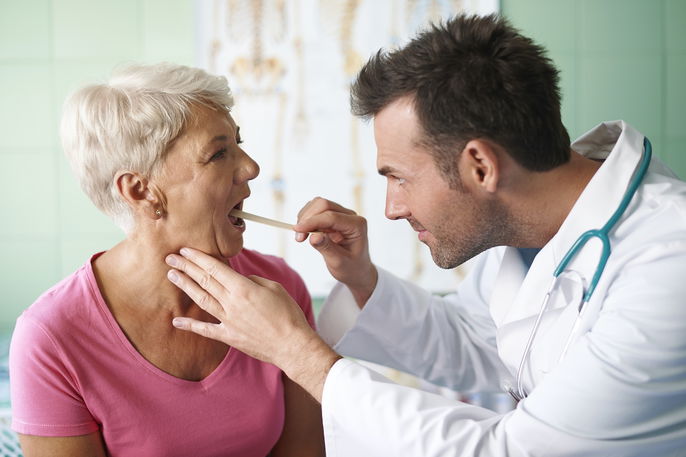
It is important to see a primary care provider or dentist as soon as any symptoms appear so a diagnosis can be made and treatment started early. The sooner oral cancer is diagnosed and treated, the greater the chance of a cure.
Main symptoms
The most common symptoms of oral cancer include:
-
Sores that do not heal;
-
Lumps inside the mouth or on the lips;
-
Mouth pain;
-
Difficulty swallowing;
-
Unexplained weight loss;
-
Bleeding or numbness in the mouth.
Other possible symptoms include white or red patches on the tongue, lips, throat, or cheeks; pain or difficulty speaking; hoarseness; swollen lymph nodes in the neck; loose teeth; or sore gums.
Symptoms of oral cancer often develop gradually and may go unnoticed at first, which can lead to a diagnosis at a more advanced stage.
Confirming a diagnosis
Diagnosis of oral cancer is made by a primary care provider or dentist, based on an examination of the lesions in the mouth, the person’s medical history, and any other symptoms.
To confirm the diagnosis, a doctor usually orders a biopsy, which involves collecting a small sample of tissue from the affected area to check for cancer cells under a microscope.
If tumor cells are found, the doctor may also request imaging tests such as a CT scan to determine how far the cancer has progressed and whether it has spread to other areas beyond the mouth.
Possible causes
Oral cancer develops when cells in the oral cavity undergo mutations that cause them to multiply uncontrollably, forming a tumor.
Factors that increase the risk of oral cancer include:
-
Smoking cigarettes, cigars, e-cigarettes, or using snuff;
-
Excessive alcohol consumption;
-
Chewing tobacco, areca nut, or betel nut;
-
HPV infection;
-
Leukoplakia (white patches in the mouth);
-
Using mouthwash containing alcohol;
-
Poor oral hygiene;
-
Personal or family history of oral cancer.
A diet low in fruits and vegetables and long-term sun exposure, particularly to the lips, can also increase the risk of developing oral cancer.
Also recommended: HPV in Men: Symptoms, Testing, Transmission & Treatment tuasaude.com/en/hpv-in-menTreatment options
Treatment for oral cancer should be managed by an oncologist and may include surgery, chemotherapy, radiation therapy, targeted therapy, or immunotherapy. The treatment approach depends on the location of the tumor, how advanced the cancer is, and whether it has spread to other parts of the body.
1. Surgery
The goal of surgery is to completely remove the tumor to prevent it from growing or spreading to other areas. The type of surgery depends on where the cancer is located and may include:
-
Glossectomy: removal of part or all of the tongue when the tumor affects this area;
-
Mandibulectomy: removal of part or all of the jawbone when the cancer involves the mandible;
-
Maxillectomy: removal of part or all of the upper jawbone when the cancer affects the roof of the mouth;
-
Laryngectomy: removal of the larynx when the cancer is located there or has spread to it.
After surgery, reconstructive procedures may be needed to restore function and appearance, often using tissue or bone from other parts of the body. Recovery time varies from person to person but can take up to a year.
Possible side effects of oral cancer surgery include difficulty speaking, swallowing, or breathing, as well as changes in facial appearance.
2. Chemotherapy
Chemotherapy may be given before surgery to shrink the tumor or after surgery to destroy any remaining cancer cells. It can also be used when oral cancer has metastasized, meaning it has spread to other areas of the body.
Chemotherapy drugs may be taken orally or given intravenously in a hospital setting. Common medications include cisplatin, 5-fluorouracil (5-FU), carboplatin, and docetaxel.
Because chemotherapy targets rapidly dividing cells, it can also affect healthy cells that grow quickly. This can lead to side effects such as hair loss, anemia, fatigue, and an increased risk of infection.
3. Radiation therapy
Radiation therapy uses high-energy beams to destroy or slow the growth of cancer cells in the mouth. It can be used alone or in combination with chemotherapy or targeted therapy.
External beam radiation is the most common method, where a machine directs radiation at the affected area. Treatment is usually given five days a week for several weeks or months, depending on the oncologist’s plan.
Side effects of radiation therapy for oral cancer may include skin irritation or burns in the treated area, hoarseness, loss of taste, throat redness or soreness, and mouth ulcers.
4. Targeted therapy
Targeted therapy uses medications that specifically identify and attack cancer cells while minimizing damage to healthy cells.
A commonly used drug for targeted therapy is cetuximab, which blocks the growth and spread of cancer cells. It can be used alone or combined with chemotherapy or radiation to improve treatment results.
Possible side effects of targeted therapy include allergic reactions, difficulty breathing, high blood pressure, fever, diarrhea, or acne-like skin rashes.
5. Immunotherapy
Immunotherapy works by boosting the body’s immune system to recognize and attack cancer cells. It is usually administered intravenously (through an IV) in a hospital setting.
Drugs such as pembrolizumab or nivolumab may be prescribed to help shrink the tumor or slow its growth. These medications can be used alone or in combination with chemotherapy, particularly in recurrent or advanced cases of oral cancer.
Prevention measures
You can lower your risk of developing oral cancer by:
-
Brushing your teeth at least twice a day with fluoride toothpaste;
-
Eating a healthy diet rich in fruits, vegetables, and whole grains, and limiting processed foods;
-
Using condoms during all sexual activity, including oral sex, to reduce the risk of HPV infection;
-
Avoiding tobacco and exposure to secondhand smoke;
-
Limiting alcohol consumption;
-
Using lip balm or lipstick with SPF protection, especially for people who work outdoors.
Regular dental checkups are also essential for maintaining oral health and detecting early changes that could indicate oral cancer.