


Oat flour offers several health benefits, including lowering “bad” cholesterol, supporting weight loss, maintaining gut health, and helping prevent diabetes. These effects are linked to its fiber content and avenanthramides, phenolic compounds with antioxidant and anti-inflammatory properties.
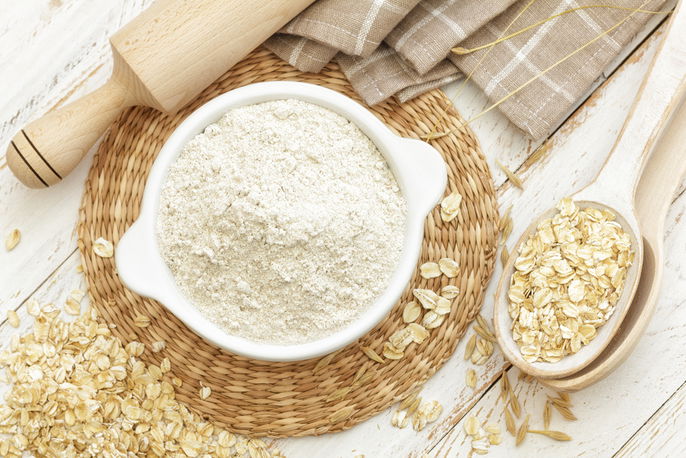
Oat flour is made by grinding the inner part of oat grains into a fine powder. It also provides minerals such as magnesium, zinc, and manganese, which support mood and bone health.
Oat flour can be added to smoothies, yogurt, soups, or fruit salads. It can also be used in recipes for cakes, pies, bread, pancakes, cookies, pizza dough, and porridge.
Health benefits
The main benefits of consuming oat flour include:
1. Controlling blood pressure
Oat flour may help control blood pressure because it contains avenanthramides, which can increase nitric oxide production in the body. Nitric oxide helps blood vessels relax, which can improve blood flow.
2. Lowering “bad” cholesterol
Oat flour is rich in beta-glucans, a type of soluble fiber that helps reduce fat absorption in the intestine. This can help lower LDL (“bad”) cholesterol and support heart health, reducing the risk of conditions such as heart attack, atherosclerosis, and stroke.
According to the US Food and Drug Administration (FDA), diets that are low in saturated fat and cholesterol and include soluble fiber may reduce the risk of coronary heart disease.
3. Supporting gut health
Oat flour supports gut health because it contains insoluble fiber, which helps stimulate normal bowel movements. This can make stool easier to pass and help prevent constipation.
Oat fiber also works as a prebiotic, meaning it feeds beneficial gut bacteria. This supports a healthy gut microbiome and helps with digestion and nutrient absorption.
4. Helping with weight loss
Because it is high in fiber, oat flour can slow digestion and help you feel full longer. This may help reduce hunger during the day and support weight loss.
However, for weight loss support, oat flour works best as part of a balanced diet along with regular physical activity.
5. Improving mood
Oat flour may help improve mood because it contains magnesium, a mineral involved in serotonin production. Serotonin is a neurotransmitter that helps regulate well-being, sleep, and feelings of happiness.
6. Preventing diabetes
Oat flour contains fiber that can slow how quickly carbohydrates are absorbed. This helps keep blood sugar levels more stable and may help prevent insulin resistance and diabetes.
It also contains avenanthramides with antioxidant action that can support insulin function. This may help with blood sugar control in people who already have diabetes.
7. Improving physical performance
Oat flour provides magnesium, which plays a role in muscle contraction and relaxation. For this reason, it may help support physical performance by contributing to muscle strength and endurance.
8. Supporting bone health
Oat flour contains magnesium, manganese, and phosphorus, which help regulate bone and cartilage formation. These minerals support bone strength and may help reduce the risk of fractures and osteoporosis.
Also recommended: Top 10 Magnesium Benefits (w/ Diet & Supplement Dosing Guide) tuasaude.com/en/magnesium-benefitsDoes oat flour cause weight gain?
Including moderate amounts of oat flour in a balanced diet, along with regular physical activity, does not lead to weight gain.
However, eating large amounts of oat flour, using it in recipes high in fat or sugar, or pairing it with a high-calorie diet can contribute to weight gain.
Nutrition facts
The table below provides nutritional information for 100 g (about 10 tablespoons) of oat flour:
To get the full benefits of oat flour, include it as part of a balanced diet along with regular physical activity.
How to make
Oat flour can be made at home using rolled oats. Place a small amount of rolled oats in a blender and blend until it becomes a fine flour.
Then sift the flour and return any larger pieces left in the sieve to the blender to blend again. Repeat as needed, then store the flour in a tightly sealed container at room temperature.
How to use
The usual recommended amount of oat flour is 1 to 2 tablespoons per day. It can be added to fruit, smoothies, and yogurt, or used in recipes for cakes, pies, bread, pancakes, pizza dough, porridge, and cookies.
However, the right amount can vary based on individual nutrition needs. For personalized guidance, it can help to consult a registered dietitian.
Does oat flour contain gluten?
Oat flour is a naturally gluten-free food. For this reason, it can fit into many types of diets.
However, oats can be contaminated during growing or processing if they come into contact with gluten-containing grains like wheat, barley, or rye. People with celiac disease, gluten intolerance, or gluten sensitivity should choose oat flour that is labeled and certified gluten-free.
According to the FDA’s gluten-free labeling rule, foods that carry a “gluten-free” claim must meet specific regulatory requirements, which is why certified gluten-free oat flour is the safer choice for people who need to avoid gluten exposure.
Healthy recipes
Some healthy and tasty recipes using oat flour include cake, pancakes, and bread.
1. Banana oat flour cake
Ingredients:
-
4 ripe bananas;
-
4 eggs;
-
½ cup olive oil or another vegetable oil;
-
2 cups oat flour;
-
½ cup raisins;
-
1 tablespoon baking powder;
-
1 teaspoon ground cinnamon.
Directions:
Preheat the oven to 350°F (180°C). Slice the bananas and place them in a blender.
Add the eggs and olive oil, then blend until smooth. Pour the mixture into a bowl and stir in the oat flour, cinnamon, raisins, and baking powder until well combined.
Pour the batter into a greased baking pan and bake for 30 to 40 minutes. Let it cool slightly, then serve.
2. Oat flour pancakes
Ingredients:
-
1 cup milk or plant-based milk;
-
2 eggs;
-
1 cup oat flour;
-
½ teaspoon olive oil;
-
¼ teaspoon salt.
Directions:
Add all ingredients to a blender and blend for 3 minutes. Heat a small amount of olive oil in a skillet over medium heat.
Pour a ladle of batter into the skillet and cook until golden. Flip with a spatula and cook the other side until golden.
Add the filling of your choice and serve.
3. Quick oat flour bread
Ingredients:
-
2 ½ cups oat flour;
-
1 cup milk or plant-based milk;
-
1 tablespoon flaxseed;
-
1 tablespoon chia seeds;
-
1 tablespoon sesame seeds;
-
2 eggs;
-
1 teaspoon baking powder.
Directions:
Preheat the oven to 350°F (180°C). Add all ingredients to a blender and blend until smooth.
Pour the batter into a greased loaf pan or a pan lined with parchment paper. Bake for about 45 minutes, or until the bread is well browned.
Let it cool slightly, then serve.