


Nosebleeds in adults are often caused by direct trauma, objects lodged in the nose, or irritated nasal tissues that bleed easily. They can also be linked to underlying conditions such as high blood pressure, low platelets, or hemophilia.
Because the nasal lining contains small blood vessels close to the surface, even mild bumps or dry air can lead to bleeding. Frequent nosebleeds may also occur with issues like sinusitis, a deviated septum, or certain medications that affect clotting.
Most nosebleeds improve with simple measures like applying firm pressure or using a cold compress on the bridge of the nose. Seeing a doctor is important when nosebleeds last longer than 30 minutes, occur repeatedly, or happen with symptoms like dizziness, palpitations, or shortness of breath.
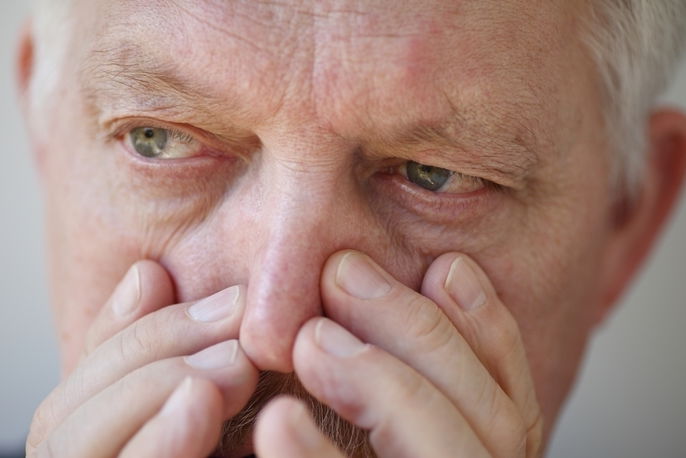
Why is my nose bleeding?
Nosebleeds in adults can occur for the following reasons:
1. Direct trauma
Nosebleeds can occur with nose injury, like a strong blow to the nose or a broken nose. A fracture happens when the nasal bones break or cartilage tears, and this can result in nosebleeds. Other symptoms include swelling of the nose, bruising around the eyes, sensitivity to touch, visible deformity and difficulty breathing.
What to do: Generally, treatment should be received in a hospital setting. It involves managing symptoms with analgesics and anti-inflammatories. Surgery may be necessary to realign the bones. Recovery usually takes about 7 days. In some cases, the entire nose needs to be corrected.
2. High blood pressure
Normally, high blood pressure does not present with any symptoms, but they can start to emerge if blood pressure exceeds 140/90 mmHg. In these cases, you may experience nausea, dizziness, strong headache, nosebleeds, ringing in the ears, shortness of breath, excessive fatigue, blurred vision and chest pain. Learn more about the symptoms associated with high blood pressure.
What to do: Once high blood pressure is diagnosed, it should be monitored by the doctor. Mild cases can be managed with diet changes, by reducing salt and fat intake for example. More severe cases may require prescription medication to decrease blood pressure. Check out these natural remedies for high blood pressure that can complement prescribed therapy.
3. Objects in the nose
Sometimes, particularly in babies and children, nosebleeds can occur due to objects stick in the nose, like small toys, pieces of food, or garbage. In addition to nosebleeds, other symptoms can occur like discomfort and difficulty breathing.
What to do: You should gently try to blow your nose or very carefully remove the object using tweezers without further lodging it in. If these do not resolve the problem within a few minutes, you should proceed to the emergency room for a health care professional to remove the object safely. You should try to remain calm and breathe through the nose so that the object is not inhaled any further.
It is very important to keep small objects out of reach of babies and children, and to keep them under supervision, especially during meals.
4. Low platelets
People who have a low platelet count will have higher risk for bleeding, as they have a lower capacity for blood clotting. They can have symptoms like bruising, redness in the skin, bleeding gums, nosebleeds, blood in the urine or stool, heavy periods and wounds with hard-to-control bleeding.
What to do: Treatment for a low platelet count will depend on the cause, therefore it should be assessed by your family doctor or a hematologist. Treatment may involve the use of medications or even a platelet transfusion.
5. Deviated septum
A deviated septum can occur for many reasons, like previous trauma to the nose, local inflammation or birth defects. It decreases the width of the nostrils, and can cause difficulty breathing, sinusitis, fatigue, nosebleeds and difficulty sleeping due to snoring.
What to do: This can generally be corrected with a simple surgery.
6. Hemophilia
Hemophilia is a genetic and hereditary illness that results in clotting abnormalities. Common symptoms include bruising, joint swelling, joint pain spontaneous nose or gum bleeding, and difficult-to-control hemorrhaging. Even a small cut may result in heavy bleeding, and menstruation is often excessive and prolonged.
What to do: Although it does not have a cure, hemophilia can be treated with coagulation factors that the body is lacking, like factor factor VIII in hemophilia A, and factor IX in hemophilia B.
7. Sinusitis
Sinusitis is an inflammation of the nasal cavities. It can cause nosebleeds, headaches, and a feeling of facial heaviness, especially around the forehead and cheeks. Generally, sinusitis is caused by an influenza virus, but it can also be caused by the growth of bacteria within nasal secretions, which become stuck in the sinuses. Learn more about the symptoms associated with a sinus infection.
What to do: Treatment should be monitored by a doctor, and usually consists of nasal sprays, analgesics, oral steroids or antibiotics. Check out ways you can relieve symptoms of sinusitis at home.
8. Medication use
Frequent use of some types of medications, like nasal sprays for allergies, anticoagulants or aspirin can interfere with blood clotting and cause easy bleeding, even in the nose.
What to do: If the nosebleed causes a lot of discomfort or occurs frequently, you should speak to you doctor to discuss the benefits and risks of the medication and assess whether there is an alternative available.
9. Inhaling drugs or other irritating substances
Sniffing drugs such as cocaine, as well as exposure to chemical fumes from products like household cleaners, can lead to blood-tinged mucus or nosebleeds. These substances irritate the nasal lining, cause blood vessels to constrict, and dry out the tissue inside the nose, which makes it more likely to crack and bleed.
What to do: Avoid using the drug or staying in environments where chemical fumes are present. It’s also important not to blow your nose too forcefully or handle it roughly, since this can make the bleeding worse.
When to see a doctor
Nosebleeds should be assessed by a doctor when:
- Bleeding does not stop within 30 minutes
- They occur frequently and interrupt activities of daily living, like going to work, sleeping or exercising
- You take medication to prevent clots or thin your blood
You should proceed directly to a hospital if you have a nosebleed that does not clot and you estimate it can fill a cup with blood. You should additionally seek urgent attention if your nosebleed causes symptoms like dizziness, palpitations, shortness of breath.