


Norovirus is a virus that causes a gastrointestinal infection called viral gastroenteritis. It leads to symptoms like severe watery diarrhea, vomiting, and often fever. It can affect adults, children, and the elderly.
This virus spreads through contaminated food and water, direct contact with infected people, or by touching contaminated surfaces, as it can survive on objects for long periods.
Treatment for gastroenteritis caused by norovirus should be guided by a general practitioner, gastroenterologist, infectious disease specialist, or pediatrician. It usually involves rest, increased hydration, and medications to help relieve symptoms.
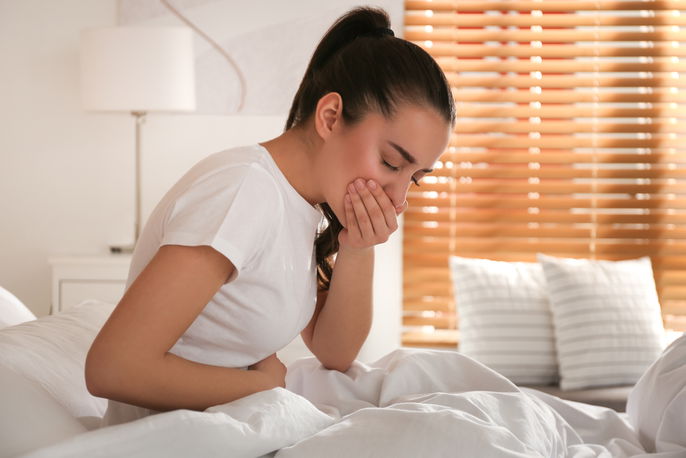
Norovirus symptoms
The main symptoms of norovirus infection include:
-
Severe watery, non-bloody diarrhea
-
Nausea or projectile vomiting
-
Low-grade fever or chills
-
Abdominal pain
-
Intestinal cramps
-
Headache or muscle pain
-
General discomfort
Norovirus symptoms are similar to those of viral gastroenteritis and usually appear 24 to 48 hours after infection, lasting about 1 to 3 days. However, it’s still possible to transmit norovirus to others for up to 2 weeks or more after symptoms disappear.
Infection can cause severe dehydration, especially in babies, children, older adults, and people with chronic conditions or weakened immune systems.
How diagnosis is confirmed
Norovirus infection is diagnosed by a general practitioner, gastroenterologist, infectious disease specialist, or pediatrician based on an evaluation of symptoms and when they started.
The doctor will review the person’s health history, recent contact with others who have gastroenteritis, and may request blood tests to assess electrolyte levels.
Tests are not always necessary, but in some cases, the doctor may order an RT-PCR test using stool or vomit samples to confirm the presence of norovirus.
How norovirus spreads
The main way norovirus spreads is through the fecal-oral route, which can happen by:
-
Eating or drinking contaminated food or water
-
Touching contaminated surfaces, toys, or objects and then putting hands in the mouth
-
Having direct contact with an infected person
In rare cases, norovirus can also spread through tiny airborne particles released during vomiting.
After exposure, symptoms usually develop within 24 to 48 hours.
Who is at higher risk
Norovirus outbreaks often occur in enclosed environments such as cruise ships, schools, and hospitals, since the virus spreads mainly between people.
To reduce the risk of transmission, it’s important to wash your hands thoroughly and avoid staying in closed spaces with infected individuals.
Treatment options
Treatment for norovirus should be supervised by an infectious disease specialist, gastroenterologist, general practitioner, or pediatrician. It mainly involves supportive care, as there are no specific medications that can eliminate the virus.
1. Get plenty of rest
Rest is essential to help the body recover and strengthen the immune system to fight off norovirus. It also helps reduce fatigue caused by diarrhea and vomiting.
2. Increase hydration
Drink plenty of water to replace fluids lost through diarrhea and vomiting and to prevent dehydration.
A doctor may recommend oral rehydration solutions, which help replace both fluids and electrolytes. Sports drinks and fruit juices should be avoided, especially for children, as they can make diarrhea worse.
In cases of severe dehydration, hospitalization may be necessary to receive IV fluids and electrolytes.
3. Use medications to relieve symptoms
Doctors may recommend medications to ease discomfort, as there are no antiviral drugs that eliminate norovirus from the body.
The main medications used include:
-
Pain relievers and fever reducers such as acetaminophen to lower fever and relieve discomfort
-
Antiemetics such as ondansetron to control nausea and vomiting
-
Antidiarrheals such as loperamide, which may be used in adults only when other causes of diarrhea have been ruled out
Antibiotics are not effective against norovirus because they work only on bacteria, not viruses.
There is currently no vaccine for norovirus due to its many mutations, although research is ongoing to develop a periodic vaccine similar to the flu shot.
How to prevent norovirus infection
To prevent norovirus infection, the following measures are recommended:
-
Wash hands thoroughly with soap and water for at least 20 seconds, especially before and after using the bathroom, changing diapers, breastfeeding, handling animals, or preparing food
-
Wash fruits, vegetables, and greens with water and mild soap, then soak them for 30 minutes in a 2.5% bleach solution (1 liter of water mixed with 2 drops of bleach)
-
Avoid eating raw or unwashed foods
-
Disinfect potentially contaminated surfaces and objects, including toilets, bathroom floors, showers, and sinks, with concentrated bleach at least once a day
-
Clean faucets, light switches, and door handles with soap and water
-
Avoid sharing towels, bedding, or personal items
-
Wash the infected person’s clothes separately, after washing the rest of the household laundry
-
Avoid contact with people who have gastroenteritis
-
Avoid touching your mouth, nose, or eyes after contact with surfaces
-
Keep children out of school and adults away from work for at least 72 hours after symptoms end to prevent spreading norovirus
Surfaces contaminated with vomit or diarrhea should be cleaned with disposable paper towels and concentrated bleach, left to act for at least 5 minutes, and then washed with hot water and soap.
After cleaning, wash your hands and forearms thoroughly with soap and water to prevent reinfection and transmission of norovirus.