


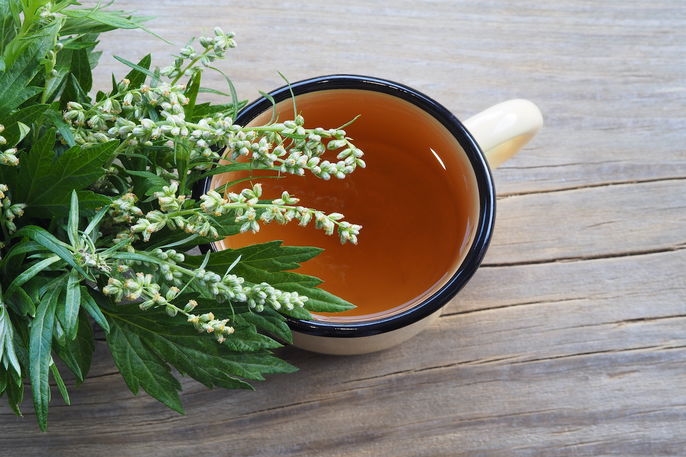
Mugwort tea is prepared from the medicinal plant Artemisia vulgaris, which is rich in flavonoids, sesquiterpenes and phenolic acids. Mugwort tea has anti-inflammatory, antioxidant, antispasmodic and antiseptic properties and is popularly used to help treat problems like irregular menstruation, menstrual cramps and anxiety, for example.
Mugwort tea is made from the leaves and flowers of the plant. These parts can also be used to prepare compresses.
Mugwort can be purchased at herbal stores, health food stores or pharmacies. Mugwort tea should be used as directed by a doctor or medicinal health specialist, as it can cause seizures, allergic reactions or miscarriage.
Health benefits
Mugwort tea has anti-inflammatory, antioxidant, antispasmodic, antiseptic, antimalarial, vermifuge, antihypertensive and liver protective properties. It can be used to help treat conditions like:
-
Fever or asthma
-
Indigestion or stomach pain
-
Intestinal cramps or intestinal worms
-
Liver or gallbladder diseases
-
Muscle pain or rheumatism
-
Headache or migraine
-
Irritability, depression, anxiety or stress
-
Insomnia or chronic fatigue
-
Skin lesions
-
Epilepsy
Additionally, mugwort tea has uterine-stimulating properties, which can help stimulate period flow, regulate menstruation, or relieve cramps.
Some studies show that mugwort contains substances with anti-inflammatory action, such as artemisinin and cardamonin. These help reduce inflammation caused by Crohn's disease, which may also help improve the mood and quality of life of patients with this disease. However, more studies are still needed to support this benefit.
Although it boasts many health benefits, mugwort tea should not replace medical treatment or be used without direction from a doctor or medicinal plant specialist.
Properties of mugwort tea
Mugwort tea has anti-inflammatory, antioxidant, antispasmodic, antiseptic, antimalarial, vermifuge, antihypertensive and liver protective properties, due to the presence of flavonoids, sesquiterpenes and phenolic acids in the plant used to prepare it.
How to use
Mugwort tea is typically prepared using the flowers or leaves, as these contain the active substances from which its medicinal properties are extracted.
Mugwort tea
Mugwort tea can be prepared with the flowers or leaves of this plant. It can help treat indigestion, fever, menstrual cramps, intestinal cramps, headache, or anxiety.
Ingredients
-
2 tablespoons of dried mugwort leaves
-
1 liter of boiling water
How to prepare
Place the mugwort leaves in the boiling water and let them steep for 10 minutes. Strain and drink 2 to 3 cups a day.
Mugwort compresses
A mugwort compress can be applied on irritated or inflamed skin, but should not be used on open or bleeding wounds.
Ingredients
-
2 tablespoons of mugwort flowers
-
1/2 liter of water
How to prepare
Boil the mugwort flowers and water for 1 minute. Cover and let it rest for about 15 minutes. Then apply it to the affected skin, using sterile gauze or a clean, dry cloth, 1 to 3 times a day.
Possible side effects
The most common side effects associated with mugwort tea are overstimulation of the central nervous system, vasodilation, seizure, liver problems, kidney problems, and mental and psychological problems.
Additionally, mugwort tea can cause miscarriage in pregnant women.
Mugwort tea can also trigger allergic reactions, sinusitis-like symptoms, and sneezing. It can also trigger dermatitis or blisters on the skin.
Therefore, mugwort tea should not be used without the guidance of a doctor or medicinal plant specialist.
Contraindications for use
Mugwort tea should not be used by pregnant women, as it can cause uterine contractions and lead to miscarriage. It should also not be used by breastfeeding women.
Furthermore, mugwort tea should not be used by people who are allergic to mugwort or ragweed, chrysanthemum, marigold, daisy, sunflower, birch, celery, carrot, white mustard, honey, royal jelly, hazelnut, olive, latex, peach, apple, kiwi, sage, celery or tobacco.