


- Misophonia can trigger intense distress from everyday sounds like chewing, coughing, or throat clearing, and the reaction can feel hard to control even when it seems out of proportion.
- Common symptoms include agitation, anger, anxiety, avoidance of noisy situations, and sometimes physical stress symptoms like a faster heartbeat, headaches, or trouble breathing.
- Symptoms often start between ages 9 and 13 and may last into adulthood, but therapy-based approaches and coping strategies can help improve tolerance over time.
Misophonia is a condition where a person has an intense, negative reaction to small everyday sounds that most people barely notice. Common triggers include chewing, coughing, or clearing the throat.
These sounds can make someone feel extremely uncomfortable and anxious. They may feel a strong urge to leave the situation or get away from the person making the sound, even during normal daily activities. Even when the person understands their reaction is out of proportion, they usually cannot stop it. Because of this, misophonia can resemble a phobia in how strongly it affects emotions and behavior.
Misophonia symptoms often start in childhood, usually between ages 9 and 13, and can continue into adulthood. However, certain psychological therapy techniques can help people tolerate these sounds better, especially the ones that come up most often in daily life.
Main symptoms
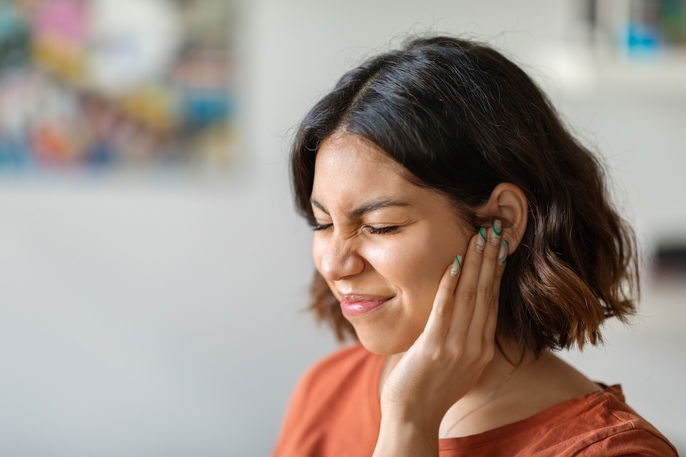
Misophonia symptoms happen when the person hears the sound they are most sensitive to, and may include:
-
Agitation;
-
Strong anger and excessive irritability;
-
Anxiety;
-
An urge to leave the place where the noise is happening;
-
Avoiding certain activities because of small noises, such as not eating out to avoid hearing people chew;
-
An overly intense reaction to a simple sound;
-
Asking in an offensive way for the noise to stop.
According to the American Psychiatric Association, misophonia involves distressing emotional reactions to specific sound triggers, which can help explain why some people also notice physical stress-type symptoms alongside emotional distress.
Physical symptoms, though less common, may include a faster heartbeat, headaches, stomach discomfort, jaw pain, a feeling of pressure in the chest, arms, or throughout the body, trouble breathing, and increased body temperature.
Confirming a diagnosis
This condition can first be evaluated by a speech‑language pathologist (speech therapist) to rule out any changes in how sounds are perceived and to assess the hearing system. The therapist may recommend hearing tests, such as audiometry.
Possible causes
The causes of misophonia are not fully understood. However, it is believed to involve hypersensitivity between the part of the brain that processes sound and the part that determines which sounds are heard, leading to a stronger-than-usual response.
It is also thought that the size of the amygdala may influence misophonia, since this gland helps process and regulate emotions such as fear, depression, and anxiety. This may help explain a connection between emotional processing and the auditory system in people with phonophobia.
Common triggers
Some of the most common sounds linked to negative feelings in misophonia include:
-
Mouth-related sounds: drinking, chewing, burping, kissing, yawning, or brushing teeth;
-
Breathing sounds: snoring, sneezing, or loud breathing;
-
Voice-related sounds: whispering, a nasal-sounding voice, or repeatedly using certain words;
-
Environmental sounds: typing on a keyboard, a TV being on, pages rubbing together, or the sound of a ticking clock;
-
Animal sounds: a dog barking, birds flying, or animals drinking.
Some people only have symptoms with one of these sounds. Others have difficulty tolerating more than one sound, which means many different noises can potentially trigger misophonia.
Treatment options
Treatment for misophonia focuses on helping the person cope with sounds that cause aversion and easing the unpleasant symptoms. For this reason, a psychologist and/or psychiatrist may recommend strategies that avoid drastic changes to daily routines, such as:
1. Misophonia cognitive retraining therapy (MCRT)
This approach helps the person think about and focus on a pleasant sound instead of fixating on unpleasant sounds around them.
At first, the person may be encouraged to listen to music during meals or other situations that usually trigger misophonia, focusing on the music and trying not to concentrate on the unpleasant sound. Over time, the technique is adjusted until the music is removed and the person no longer focuses attention on the sound that used to trigger misophonia.
2. Talk therapy
In some cases, the unpleasant reaction to a specific sound may be related to a past experience. In these situations, therapy with a psychologist can help explore what is behind the reaction and work toward resolving it or, at least, reducing the response to unpleasant sounds.
3. Hearing protection devices
This is usually considered a last option and is more often used in severe cases when the person continues to feel strong aversion to a specific sound even after trying other treatments. It involves using a device that reduces environmental noise so the person cannot hear the sound that triggers misophonia, but it is not considered the best option because it can interfere with socializing.
When this approach is used, counseling sessions are recommended at the same time. This helps address misophonia-related issues and can reduce the need to rely on these devices.
4. Other therapies
In addition to the strategies above, a psychologist may suggest other techniques that promote relaxation and may help the person adapt better to unpleasant sounds. These may include hypnosis, neurofeedback, meditation, or mindfulness, which can be used alone or alongside the approaches listed previously.