


Malaria treatment involves specific antimalarial medications provided by healthcare providers and local health departments. The primary goal of therapy is to stop the parasite's development based on the patient's age, weight, and disease severity.
This infectious disease spreads through the bite of an infected female Anopheles mosquito carrying one of four Plasmodium parasite species. While several types exist, Plasmodium falciparum is the most dangerous and is typically responsible for severe or complicated cases.
When treated promptly and correctly, malaria is a curable condition for most patients. However, delaying medical intervention can lead to life-threatening complications, including organ failure or permanent neurological damage.
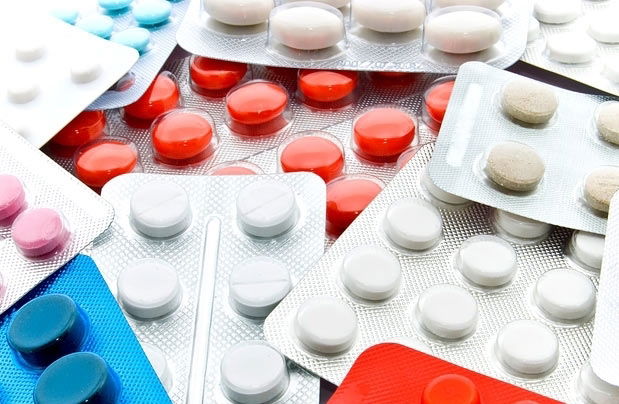
Common medications
The specific course of treatment depends on the type of parasite causing the infection, the patient's weight, and the severity of their symptoms. Doctors in the United States typically follow standardized protocols to ensure the infection is completely cleared from the bloodstream and liver.
1. Treatment for Plasmodium vivax or Plasmodium ovale
The following table outlines the standard medication protocols for infections caused by P. vivax or P. ovale:
Dosages and schedules are strictly calculated based on body weight. It is essential to consult a pediatrician or primary care physician to determine the exact requirements for each patient.
2. Treatment for Plasmodium falciparum
The following table outlines the recommended medications for treating P. falciparum infections:
Because P. falciparum can progress rapidly, the treatment regimen is closely monitored by healthcare professionals. Always follow the specific instructions provided by your doctor.
3. Treatment for Plasmodium malariae
For infections caused by P. malariae, a three-day course of chloroquine is the standard recommendation. As with other types of malaria, the exact dosage is determined by the patient's weight to ensure effectiveness.
Patients should always consult with a medical professional to ensure they receive the correct therapeutic regimen for their specific case.
Treating severe and complicated malaria
Severe malaria is a medical emergency that requires immediate hospitalization, especially when Plasmodium falciparum or Plasmodium vivax is involved. In these cases, treatment usually begins with intravenous (IV) or intramuscular artesunate for at least 24 hours, or until the patient is stable enough to transition to oral medication.
Signs of improvement and worsening
Patients typically notice signs of improvement shortly after starting their prescribed antimalarial regimen. Within a few hours, the fever usually breaks, headaches subside, and the patient's appetite begins to return.
If the treatment is not followed correctly or the dosage is insufficient, the condition may worsen. Watch for persistent fever, frequent chills, a rigid abdomen, delirium, or seizures. If any of these red flag symptoms appear, the patient must be re-evaluated by a doctor immediately.
Possible complications
Complications occur when malaria is left untreated or is resistant to medication. These can include severe anemia, kidney failure, cardiovascular issues, or falling into a coma.
The most dangerous complication is cerebral malaria. This condition affects the brain and represents the most severe form of the disease, requiring intensive medical care.