


Lysine supplements (l-lysine or l-lysine hydrochloride) are available as capsules, tablets, or powders and are commonly sold in pharmacies and health food stores. They can be purchased without a prescription.
Lysine is an essential amino acid, which means your body can’t make it on its own. You need to get it from foods like meat, milk, soy, or fish, or from lysine supplements.
Lysine plays a role in supporting the immune system. It may also help limit the replication of certain viruses, including herpes simplex virus.
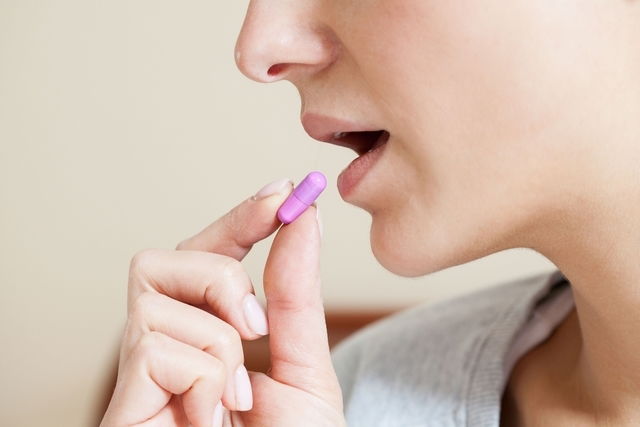
Indications for use
L-lysine hydrochloride is indicated to help prevent and reduce recurrent infections caused by the herpes virus. With ongoing use, it may help prevent the virus from replicating in the body.
For active herpes infections, lysine supplements may help lesions heal and clear up faster. However, more scientific studies are still needed to confirm this effect.
According to the World Health Organization (WHO), herpes simplex symptoms can recur over time.
Dosing instructions
To help prevent recurrent herpes outbreaks in adults, the typical recommendation is 1 to 3 grams of lysine per day, divided into doses taken with meals. A common regimen is one 500 mg capsule three times a day, as directed by a healthcare provider.
L-lysine capsules should not be taken for more than 6 months, or longer than recommended by a healthcare provider. Long-term use could disrupt the balance of another amino acid, arginine.
Side effects
Possible side effects of lysine hydrochloride include stomach pain or diarrhea. These effects are more likely when it’s taken in amounts higher than recommended.
Contraindication for use
Lysine supplements are not recommended for people with kidney, heart, or liver disease, or for anyone with an allergy or hypersensitivity to any ingredient in the formula.
Lysine supplements should also not be used during pregnancy or while breastfeeding.