


- Lung infections can be caused by bacteria, viruses, or fungi and may affect different parts of the lower respiratory tract.
- Common symptoms include cough, fever, fatigue, shortness of breath, chest pain, and wheezing.
- Treatment depends on the cause and severity and may involve medication, supportive care, or hospitalization.
A lung infection occurs when fungi, viruses, or bacteria multiply in the lungs. This causes inflammation and symptoms such as fever, coughing, mucus, and difficulty breathing.
Lung infections can affect different parts of the lower respiratory tract. The most common types include pneumonia, bronchitis, bronchiolitis, and tuberculosis.
Treatment for a lung infection may be managed by a primary care provider, pediatrician, or pulmonologist. Depending on the cause and severity, treatment may include antibiotics, antiviral or antifungal medications, rest, supportive care, and, in more serious cases, hospitalization.
Common symptoms
Lung infection symptoms can vary depending on the type and severity of the infection. The most common symptoms include:
-
Cough
-
Fever
-
Fatigue
-
Chest pain and wheezing
Other symptoms, such as a runny nose, sore throat, body aches, and headache, may also occur with a lung infection.
Confirming a diagnosis
A lung infection may be diagnosed by a healthcare provider based on a physical examination, an evaluation of symptoms, and a review of the person’s medical history.
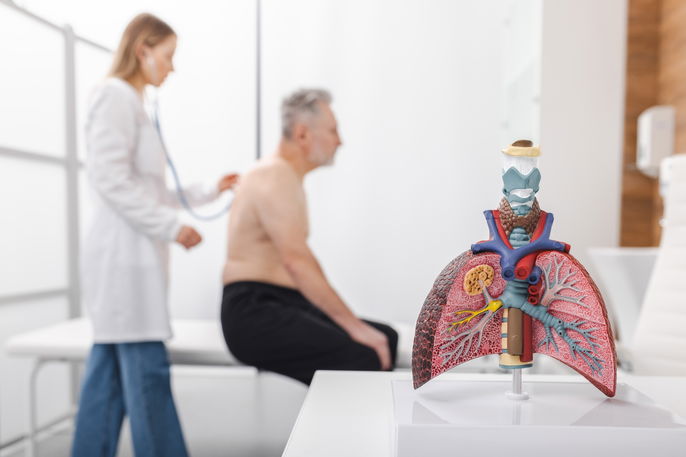
During the physical examination, the healthcare provider checks vital signs, measures blood oxygen levels, and listens to the lungs for abnormal breathing sounds.
Additional tests may be needed to confirm the infection or identify its cause. These may include a chest X-ray, blood tests, a sputum culture, or a nasal swab to test for respiratory viruses.
Possible causes
The main causes of a lung infection include:
-
Fungi, such as Aspergillus species and Coccidioides species
-
Bacteria, such as Streptococcus pneumoniae, Klebsiella pneumoniae, Mycoplasma pneumoniae, and Haemophilus influenzae
-
Viruses, such as SARS-CoV-2, which causes COVID-19, respiratory syncytial virus, and influenza viruses
A lung infection occurs when disease-causing microorganisms enter the body through small respiratory droplets released when an infected person coughs, sneezes, or talks.
Fungal lung infections are more common in people with weakened immune systems due to older age, chronic health conditions, or the use of certain medications.
Main types
The main types of lung infections include:
1. Pneumonia
Pneumonia is a lung infection that causes inflammation and may lead to a buildup of fluid or pus in the air sacs of the lungs, known as the alveoli.
Common bacterial causes of pneumonia include Streptococcus pneumoniae, Haemophilus influenzae, and Mycoplasma pneumoniae. Pneumonia may also be caused by viruses, such as influenza viruses, or by fungi.
Symptoms can range from mild to severe and may include a cough with yellow, green, or blood-tinged mucus, shortness of breath, fever, chest pain, and fatigue. In severe cases, the skin, lips, or nails may develop a bluish color.
2. Bronchitis
Bronchitis is inflammation of the bronchi, which are the airways that carry air into the lungs. The airways become swollen and may produce excess mucus.
Acute bronchitis is most commonly caused by a virus. Less commonly, it may be associated with bacteria such as Mycoplasma pneumoniae, Chlamydia pneumoniae, or Bordetella pertussis.
A fever is not always present with bronchitis, and mucus may be clear, white, or yellowish. Other symptoms may include wheezing, a persistent cough, and fatigue.
3. Bronchiolitis
Bronchiolitis is most common in children younger than 2 years old, especially infants. It causes swelling and mucus buildup in the bronchioles, which are the smallest airways in the lungs.
According to the CDC, respiratory syncytial virus, or RSV, is the most common cause of bronchiolitis in children younger than 1 year.
Symptoms may include wheezing, rapid breathing, flaring of the nostrils, irritability, decreased activity, and difficulty feeding.
Symptoms may include wheezing, rapid breathing, flaring of the nostrils, irritability, decreased activity, and difficulty feeding.
4. COVID-19
COVID-19 is another type of infection that can affect the lungs. It is caused by the SARS-CoV-2 virus and may cause extreme fatigue, muscle pain (myalgia), headache, and fever.
When symptoms are severe or the person has difficulty breathing, they should be taken to a hospital. Medical professionals can then determine whether oxygen therapy is needed. Read more about COVID symptoms and how to manage them.
5. Tuberculosis
Pulmonary tuberculosis is an infection that mainly affects the lungs. However, tuberculosis (TB) can also affect other parts of the body, including the brain, kidneys, and spine.
It is usually caused by the bacterium Mycobacterium tuberculosis. TB disease may develop gradually and can become severe or even fatal if it is not properly treated.
According to the CDC, pulmonary TB may cause a cough lasting 3 weeks or longer, coughing up sputum or blood, fever, night sweats, loss of appetite, and unintentional weight loss.
Treatment options
Treatment for a lung infection depends on the organism causing the infection and may include antibiotics, antiviral medications, or antifungal medications. Medications to relieve pain and reduce fever, such as acetaminophen or ibuprofen, may also be recommended.
As part of treatment, a healthcare provider may recommend pulmonary rehabilitation or respiratory therapy, which may include breathing exercises and airway clearance techniques to help remove mucus from the lungs and relieve symptoms.
Maintaining a healthy diet and staying well hydrated is also important during recovery.
In more severe cases, hospitalization may be necessary, especially if symptoms do not improve with initial treatment or if the person has a weakened immune system.
Is a lung infection serious?
The severity of a lung infection depends on the type of organism causing it, the extent of the infection, and the person’s overall health. The infection may become more serious if it is not treated.
People with weakened immune systems, older adults, and people with chronic health conditions have a higher risk of complications. These may include low blood oxygen levels, fluid buildup around or within the lungs, and the spread of the infection to the bloodstream or other parts of the body.