


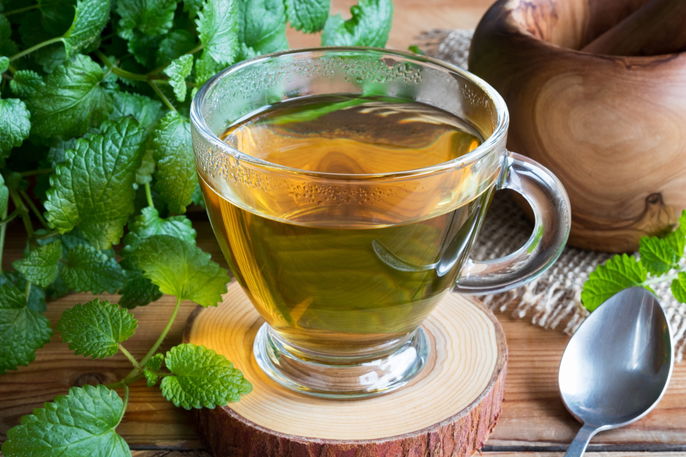
Lemon balm tea (Melissa officinalis) provides several health benefits, including helping to relieve stress and anxiety, reducing excess gas, and easing different types of pain, such as menstrual cramps and headaches.
These benefits are mainly due to its phenolic compounds, like rosmarinic acid, citral, and geraniol, which have digestive, pain-relieving, sedative, and anti-inflammatory properties. Read more about lemon balm and how it can be consumed.
Lemon balm tea can be prepared using either fresh or dried leaves. While it should not replace any medications prescribed by a doctor, it can be used as a complementary treatment because of its many beneficial effects.
Health benefits
The main health benefits of lemon balm tea include:
1. Relieves stress and anxiety
Lemon balm tea helps relieve stress and anxiety symptoms because it contains rosmarinic acid, a phenolic compound that acts on the nervous system to increase the availability of GABA in the brain. GABA is a neurotransmitter that promotes relaxation and well-being, helping reduce agitation and nervousness.
2. Supports digestive health
Lemon balm tea can help with digestive problems such as excess gas, indigestion, and intestinal cramps. It contains citral, linalool, rosmarinic acid, and geraniol, which are bioactive compounds with antispasmodic, pain-relieving, and carminative properties.
3. May help regulate blood pressure
By promoting relaxation of the blood vessels, lemon balm tea may help regulate blood pressure, especially in cases linked to stress. However, further studies are needed to confirm its effects on blood pressure control.
4. Relieves menstrual cramps
Lemon balm tea helps relieve menstrual cramps because of its antispasmodic and pain-relieving properties, which help reduce pain and uterine muscle contractions. Check-out other teas for cramps that you can prepare for quick relief.
5. Helps treat cold sores
When applied directly to the lips, lemon balm tea can help treat cold sores. It contains caffeic, ferulic, and rosmarinic acids, which are phenolic compounds that help prevent infection, speed up healing, and relieve symptoms like itching, tingling, burning, stinging, swelling, and redness.
6. Relieves pain
Thanks to its linalool, rosmarinic acid, and citral content, which are bioactive compounds with pain-relieving, relaxing, and anti-inflammatory properties, lemon balm tea helps relax muscles, release tension, and dilate blood vessels. This can help relieve headaches, toothaches, muscle pain, and abdominal pain.
7. Improves sleep quality
Lemon balm tea can improve sleep quality because it contains geraniol, rosmarinic acid, and citral, which have calming and sedative effects on the central nervous system. These compounds promote relaxation and help combat insomnia.
Also recommended: 10 Top Teas for Sleep: Chamomile, Valerian & More tuasaude.com/en/tea-for-sleepHow to make lemon balm tea
Lemon balm tea can be made with fresh or dried leaves, or with individual tea bags.
Ingredients:
-
1 tablespoon of torn fresh lemon balm leaves
-
1 cup of water
Preparation method:
Bring the water to a boil in a pot or kettle. Turn off the heat, add the lemon balm leaves, cover, and let steep for 5 minutes. Then strain and drink while still warm. You can drink up to 3 cups of lemon balm tea per day.
Can you drink lemon balm tea every day?
Yes, you can drink lemon balm tea daily. However, it’s recommended to do so for up to 2 weeks at a time. If the symptoms you’re trying to treat persist beyond 2 weeks, you should consult a doctor or a healthcare professional who specializes in herbal medicine.
Can pregnant women drink lemon balm tea?
Since there are no studies confirming the safety of lemon balm tea during pregnancy, pregnant women should only consume it under medical supervision.
Possible side effects
Lemon balm tea is generally safe when consumed for up to 2 weeks and within the recommended daily amount.
However, drinking it for longer than 2 weeks or in large quantities may lower heart rate and blood pressure, and cause side effects such as headache, nausea, vomiting, dizziness, and stomach pain.
Who should not use it
Lemon balm tea is not recommended for:
-
Children under 12 years old
-
People with hypothyroidism, low blood pressure, glaucoma, or benign prostatic hyperplasia (BPH)
Pregnant or breastfeeding women should only drink lemon balm tea under medical advice.
Because of its calming effects, lemon balm tea should not be consumed before activities that require focus and alertness, such as driving or operating machinery.
People who take sedative medications should always consult their doctor before drinking lemon balm tea.