


Peanut butter offers many health benefits. It supports muscle growth, helps regulate blood sugar levels, and lowers the risk of cardiovascular disease.
These benefits come from peanuts being naturally rich in healthy fats, protein, and fiber, which provide energy and have anti-inflammatory and blood sugar-regulating properties.
Peanut butter can be homemade or store-bought. The best options are made only with roasted peanuts, without added sugar or sweeteners. Some versions may also include whey protein, cocoa, or hazelnuts.
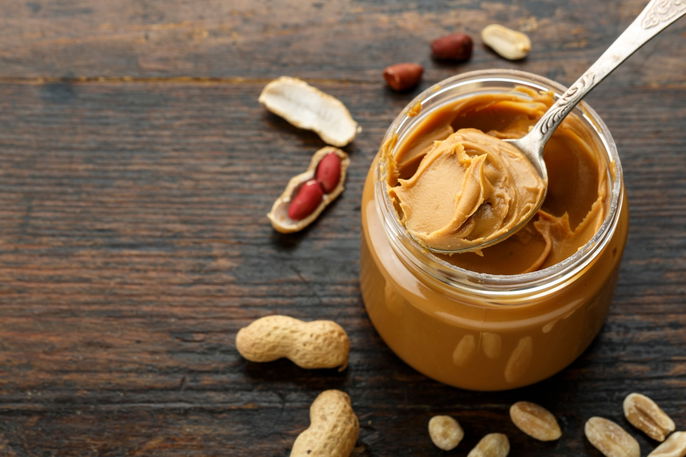
Main benefits
The main health benefits of peanut butter include:
1. Lowers the risk of cardiovascular disease
Peanut butter contains monounsaturated and polyunsaturated fatty acids, which are healthy fats that help reduce inflammation, support heart health, and lower the risk of heart attack, stroke, and atherosclerosis.
It is also a good source of potassium, a mineral that improves blood circulation and helps remove excess sodium from the body, reducing the risk of high blood pressure.
2. Supports muscle growth
Peanut butter is high in quality protein, which helps maintain and increase muscle mass, especially for people who exercise regularly. It can be a great option before or after workouts.
In addition, its potassium and magnesium content helps improve performance and muscle recovery, reducing fatigue and cramps.
3. Helps regulate blood sugar
Peanut butter is rich in fiber, healthy fats, and low-glycemic index carbohydrates. This combination allows glucose to be released slowly into the bloodstream, helping to keep blood sugar levels balanced.
4. Boosts energy
Peanut butter provides protein, healthy fats, and a good amount of calories, which help increase energy levels throughout the day. It can be a nutritious choice for children, adults, seniors, and people with higher calorie needs.
5. Supports weight management
Peanut butter can be part of weight-control diets because its fiber, protein, and fats increase satiety.
It can also be used in recipes to replace sugary foods. However, it should be eaten in moderation and included as part of a balanced diet.
6. Prevents constipation
Thanks to its fiber content, peanut butter helps increase stool bulk and stimulate natural bowel movements, which helps prevent constipation.
7. Suitable for vegetarians and vegans
Peanut butter provides polyunsaturated fats, folate, iron, and protein, making it a highly nutritious option for people who do not eat meat or animal products.
8. Helps prevent premature aging
Peanut butter is rich in vitamin E and omega-3, nutrients with antioxidant properties that fight free radicals and help delay premature aging.
9. Supports a healthy pregnancy
Peanut butter is a good source of folic acid (vitamin B9), which helps reduce the risk of brain and spinal cord malformations in the baby, supporting a healthy pregnancy.
10. Maintains nervous system health
The proteins in peanut butter play a role in neurotransmitters such as adrenaline and acetylcholine, which are essential for proper nervous system function.
Does peanut butter cause weight gain?
Eating peanut butter in excess, especially when combined with an unhealthy diet and a sedentary lifestyle, can contribute to weight gain because it is calorie-dense.
However, when consumed in moderation as part of a balanced diet and paired with regular exercise, peanut butter does not cause weight gain.
Nutritional information
The table below shows the nutritional values for 100 g of plain peanut butter without added sugar or other ingredients:
To maximize the benefits, peanut butter should be included in a healthy diet and combined with regular physical activity.
How to make peanut butter
To make homemade peanut butter, place 1 cup of roasted, skinless peanuts in a food processor or blender and blend until smooth and creamy. Store in an airtight container in the refrigerator.
For a creamier texture, warm the peanuts in a low oven for 10 minutes before blending.
You can also adjust the taste by adding a small amount of salt or honey if preferred.
How to consume
To benefit from peanut butter, it is recommended to eat at least 1 tablespoon per day. It can be added to pancakes, smoothies, or served with fruit.
When peanut butter is not recommended
Peanut butter is not recommended for people with oily skin, as it may increase oiliness and contribute to acne.
It should also be avoided by those with a peanut allergy, as it can trigger severe allergic reactions.