


Corn is good for you when it's included as part of a well-balanced diet. This is because corn is a nutritious grain that provides carbohydrates for energy, plus fiber and antioxidants that support overall health.
Corn contains protective plant compounds like lutein and zeaxanthin for eye health, and carotenoids such as beta-carotene that help support the immune system. Its fiber can also help improve intestinal health and may support healthier cholesterol and blood sugar levels.
Corn is unlikely to cause weight gain when eaten in moderation, but higher-calorie preparations (like buttery corn, cakes, or oil-popped popcorn) can add up.
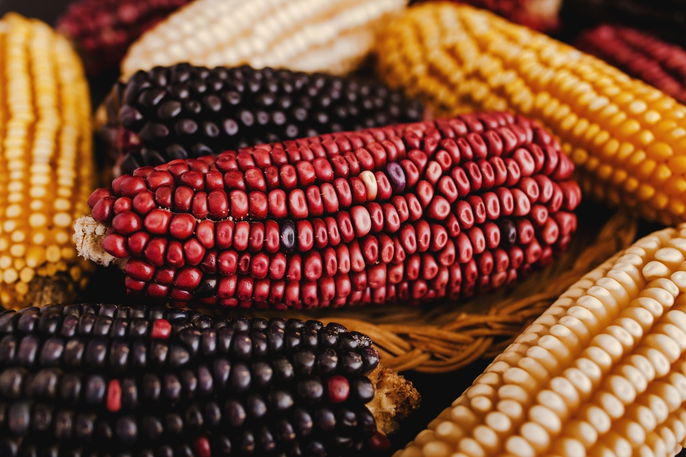
Health benefits
Corn is good for you because it can help:
1. Maintain eye health
Corn is rich in zeaxanthin and lutein, two antioxidant carotenoids that promote eye health. These compounds help shield the eyes from damage by ultraviolet (UV) rays from the sun and blue light from electronic devices. This protection may reduce the risk of cataracts and macular degeneration.
2. Strengthen the immune system
Corn may help support the immune system because it contains beta-carotene, a carotenoid that helps the body’s natural defenses and may reduce how long common infections like colds and flu last.
3. Support weight loss
Because it is a good source of fiber, corn slows digestion, which can help you feel full longer, manage hunger throughout the day, and support weight loss.
To lose weight, corn needs to be part of an overall healthy eating pattern and paired with regular physical activity.
4. Lower LDL cholesterol
Corn is rich in insoluble fiber, which binds to fats in the intestines and reduces their absorption into the bloodstream.
According to the American Heart Association, dietary fiber can help improve blood cholesterol levels and lower the risk of heart disease.
5. Maintain healthy skin
Corn supports skin health thanks to its content of vitamin A, lutein, and beta-carotene.
These nutrients and carotenoids act as antioxidants, helping protect skin cells from free radical damage that can lead to sagging, wrinkles, and premature aging.
6. Prevent diabetes
Because its fiber slows the absorption of carbohydrates, corn helps reduce sharp spikes in blood sugar and may support healthier insulin sensitivity and a lower risk of type 2 diabetes.
According to the CDC, fiber can help control blood sugar and also supports heart health, which is especially important for people with diabetes or prediabetes.
7. Boost mood
Corn can support physical and mental well-being because it provides carbohydrates, an essential source of energy for both the brain and the body.
In addition, corn is a good source of vitamin B3 (niacin), which helps convert the energy in food into usable energy for the body’s cells.
8. Improve digestion
The fiber in corn supports healthy digestion by adding bulk to stool and promoting regular bowel movements, which makes elimination easier.
Popcorn contains even more fiber per serving, making it an excellent choice for optimal intestinal function.
9. Prevent cardiovascular disease
Corn contains bioactive compounds such as carotenoids, quercetin, and anthocyanins, which have antioxidant and anti‑inflammatory effects.
These compounds support arterial health and help prevent blood clots, which may slow the progression of cardiovascular conditions like high blood pressure, heart attack, and atherosclerosis.
Can corn lead to weight gain?
Corn does not cause weight gain when you eat it in moderation, especially in simple preparations such as boiled or roasted corn, or when added to soups, salads, couscous, or breads.
However, because it is rich in carbohydrates, eating large amounts of corn can contribute to weight gain. High‑calorie corn dishes, such as cakes, corn cooked with butter, or popcorn prepared with oil, for example, can also promote weight gain if eaten frequently or in large portions.
Nutrition facts
The following table provides nutritional information for a 100 g serving of boiled sweet corn:
To get these benefits, corn should be eaten as part of a balanced, healthy diet and paired with regular physical activity.
How to eat
Corn can be boiled or roasted and enjoyed on its own or added to dishes like canjica, salad, curau, or soup.
The kernels can also be popped to make popcorn.
Corn can also be ground into flour, which is used to make polenta, bread, cakes, and couscous. Its oil can be extracted as well, and is commonly used for frying or sautéing foods.
Healthy recipes
Below are some healthy recipes that can be prepared with corn:
1. Canjica (Brazilian hominy pudding)
Ingredients:
-
1 cup canjica corn (dried white hominy corn);
-
4¼ cups (1 liter) water;
-
1 cup milk;
-
¾ cup + 1 tablespoon (200 mL) coconut milk;
-
3 whole cloves;
-
1 cinnamon stick;
-
2 tablespoons culinary sweetener.
Directions:
Place the canjica corn in a bowl, cover with 3 cups of water, and soak for 12 hours. Drain and discard the soaking water, then transfer the canjica to a pressure cooker along with the cloves, cinnamon stick, and 4¼ cups (1 L) fresh water. Cook under pressure for 30 to 40 minutes.
Remove the pot from the heat, carefully open the pressure cooker, and stir in the coconut milk, milk, and sweetener. Return it to low heat and bring to a gentle boil, stirring frequently.
Cook for another 30 minutes, or until the mixture thickens slightly. Remove from heat, transfer the canjica to a bowl, and let it cool. Serve warm or chilled.
2. Corn cake
Ingredients:
- 3 eggs;
- 1 can of sweet corn, drained;
- ⅓ cup + 2 teaspoons (100 mL) skim milk;
- 1 tablespoon butter;
- 3 tablespoons of culinary sweetener;
- 6 tablespoons of rolled oats;
- 1 tablespoon baking powder.
Directions:
Beat the egg whites in a mixer until stiff peaks form, then set aside. In a blender, combine the egg yolks, butter, milk, and canned corn; blend until smooth.
Transfer the blended mixture to a bowl, then add the sugar and oat flakes; stir well with a spoon or spatula. Gently fold in the baking powder, followed by the beaten egg whites.
Pour the batter into a greased pudding mold or baking dish. Bake in a preheated medium oven (about 350°F) for 30 minutes, or until golden brown.
3. Chicken soup with corn
Ingredients:
-
1 skinless chicken, cut into pieces (about 3–4 lbs whole chicken or equivalent parts);
-
8½ cups water (2 liters);
-
2 ears of corn, cut into rounds;
-
1 cup raw pumpkin, diced;
-
1 cup raw carrot, diced;
-
1 cup raw potato, diced;
-
2 bunches cilantro, chopped;
-
¼ red bell pepper;
-
1 bunch green onions (scallions);
-
½ large onion, halved;
-
1 tablespoon olive oil;
-
2 garlic cloves, crushed;
-
Salt and black pepper to taste.
Directions:
Heat the olive oil, onion, and garlic in a large pot over medium heat; sauté for 3 minutes. Add the water, chicken, green onions, onion, red bell pepper, corn rounds, salt, and pepper.
Cook over medium heat until the corn and chicken are tender (about 30–40 minutes). Add the pumpkin, carrot, and potato; remove and reserve the bell pepper.
Once all vegetables are tender, stir in the cilantro, green onions, and reserved bell pepper. Serve immediately.