


Bone marrow can be good for you because it is energy dense and provides nutrients that may support joint and bone health. It also offers small amounts of vitamins and minerals, such as vitamin K, along with beneficial fats and collagen.
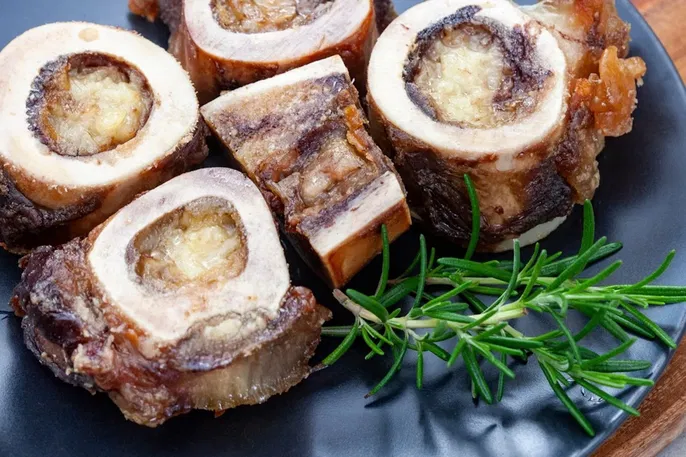
Bone marrow is the soft, fatty tissue found inside bones, especially the long bones of cattle, pigs, and other animals. It is commonly used in broths and stews, and it is also roasted and served on its own because of its rich flavor and creamy texture.
Because bone marrow is high in saturated fat, it is best eaten in small portions and only occasionally. Regular or large intakes may increase the risk of issues such as high cholesterol and cardiovascular disease.
Health benefits
The main benefits of bone marrow are:
1. Providing energy
Bone marrow is mostly fat, with very little protein and carbohydrates, which makes it highly calorie-dense.
Consumed in small portions and included as part of a well-balanced diet, bone marrow may help increase calorie intake for people who need to maintain or gain weight or who follow higher-calorie diets.
2. Contributing to bone and teeth health
Because it contains calcium, bone marrow can contribute to the maintenance of bones and teeth.
However, bone marrow should not be your sole source of dietary calcium and is best paired with other calcium-rich foods that are lower in fat.
3. Promoting satiety
The fats in bone marrow may help increase fullness, especially when eaten with foods that provide fiber and protein.
According to the World Health Organization (WHO), saturated fats should provide no more than 10% of total daily energy intake, so foods high in saturated fat (like bone marrow) are best kept to small portions and eaten only occasionally.
This is because too much saturated fat can raise blood levels of LDL (“bad”) cholesterol, which can contribute to conditions such as atherosclerosis and stroke.
4. Supporting blood clotting
Because it is a source of vitamin K, bone marrow supports blood clotting by helping the body produce proteins needed for normal clot formation.
This helps reduce bleeding and supports wound healing.
5. Helping maintain thyroid health
Bone marrow provides selenium, a mineral vital for thyroid health. Selenium supports thyroid hormone production and antioxidant protection in the thyroid gland, which has one of the body's highest concentrations of this mineral.
Selenium is also essential for converting thyroid hormone T4 into T3, helping regulate thyroid hormone levels in the body.
Nutrition facts
The following table provides nutritional information for 100 g of raw bone marrow:
These values are approximate and come from analyzing raw beef bone marrow. Actual nutrition can vary based on the animal type, specific cut of bone, and preparation method.
How to prepare
Bone marrow can be cooked, roasted inside the bone, or used in broths and soups. When heated, the fat melts and becomes creamy, which can be used as a base for sauces or to add flavor to other dishes.
A common method is to roast marrow bones in the oven and serve small amounts alongside meats, vegetables, or bread. It can also be added to bone broth.
Because it is high in fat, bone marrow is best paired with high-fiber foods such as salads, vegetables, or legumes. Portions should stay small to avoid exceeding the WHO recommendation for saturated fat intake, which is up to 10% of total daily calories.
Bone marrow cream
Bone marrow cream is a cosmetic product made with bone marrow and other ingredients and may be recommended to moisturize and strengthen hair.
It can be found in pharmacies, supermarkets, and stores that sell hair and beauty products.
Healthy recipes
Some healthy recipes with bone marrow are:
1. Bone marrow broth
Ingredients:
- Bones with marrow;
- Carrot, celery, onion, and garlic;
- Fresh or dried herbs to taste, such as bay leaf, thyme, and parsley;
- Enough water to cover the bones;
- Salt to taste.
Directions:
Place the bones in a large pot with the vegetables and herbs, then cover with water. Simmer on low heat for 6 to 8 hours.
Strain the broth and let it cool; if needed, skim off any excess fat that rises to the surface.
This broth can be used as a base for soups with vegetables and legumes, which can help make the meal more balanced.
2. Bone marrow sauce
Ingredients:
- Cooked bone marrow (removed from bones that were previously roasted);
- Garlic and onion, finely diced;
- 1 dessert spoon of vegetable oil;
- Chopped fresh tomato;
- Chopped parsley or cilantro;
- Homemade vegetable broth or bone broth;
- Pepper and herbs to taste.
Directions:
Sauté the garlic and onion in a pan with the vegetable oil. Add the tomato and cook until it forms a sauce.
Stir in a small amount of cooked bone marrow, mixing it into the broth until creamy. Finish with chopped parsley or cilantro and serve with roasted vegetables or bread, keeping portions small.
Frequently asked questions
Some common questions about bone marrow are:
1. Is beef bone marrow bad for you?
Beef bone marrow, like marrow from other animals, can be harmful if eaten regularly in large amounts.
According to the American Heart Association (AHA), saturated fat can raise LDL (“bad”) cholesterol, so foods that are rich in saturated fat (like bone marrow) are best limited, especially if you are trying to protect heart health.
2. Is beef bone marrow bad for the heart?
High, regular intake of beef bone marrow and marrow from other animals can be harmful for heart health.
This is because it is rich in fat, especially saturated fat, which is associated with a higher risk of inflammation, obesity, heart disease, and stroke, for example.
3. Is bone marrow fat?
Yes. Bone marrow is primarily fat, with a high amount of saturated fat and smaller amounts of monounsaturated and polyunsaturated fats.