


An IBS diet is typically made up of foods that are easy to digest and limits or eliminates items that can irritate the digestive tract, such as coffee, spicy foods, and foods high in fat or sugar.
This type of diet can vary from person to person, as food tolerance and IBS symptoms differ widely. Some people may experience alternating periods of constipation, diarrhea, and bloating, requiring personalized dietary adjustments to manage and prevent flare-ups.
Also recommended: IBS Symptoms: Top 10 Signs & Symptoms (w/ Online Quiz) tuasaude.com/en/ibs-symptomsIdentifying the best IBS diet often involves tracking what you eat, when you eat it, and whether specific foods trigger symptoms like gas or constipation. It’s recommended to consult with a registered dietitian to develop a tailored IBS diet and meal plan that suits your needs.
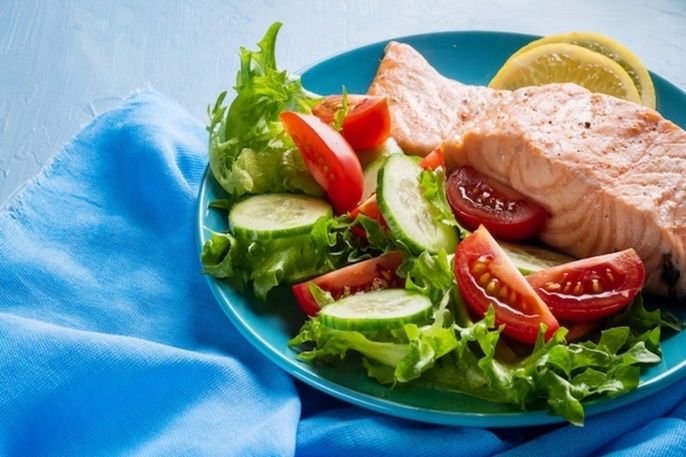
What to eat
The food that help to prevent flare-ups and should be included in your diet are:
- Fruits like papaya, melon, strawberries, lemon, tangerines, oranges and grapes
- White or orange vegetables like cabbage, carrots, pumpkin, squash, cucumber and lettuce
- White meat like chicken and turkey
- Fish of any type, preferably grilled, baked, or steamed
- Probiotic foods like yogurt and kefir
- Eggs
- Lactose- free skim milk and white cheeses (if dairy causes discomfort, it should be avoided entirely)
- Plant-based milks like almond, oat and coconut milk
- Nuts like almonds, walnuts, peanuts, chestnuts and pistachios
- Teas with digestive and calming properties, like chamomile, linden, and lemon balm (unsweetened when possible)
- Non-wheat flours, like oat , almond and coconut flour for bread, cakes and other desserts
- Quinoa and buckwheat
You should also aim to drink 1.5 to 3 liters of fluids per day, including water, soups, smoothies, and teas. Adequate fluid intake helps keep stools soft, supports hydration, and is especially important during episodes of diarrhea.
Keep in mind that allowed foods may differ between individuals. People with IBS may also have gluten intolerance, lactose intolerance, or other food sensitivities.
Other food recommendations
To ease IBS symptoms, it’s important to eat small, frequent meals throughout the day. Food should be chewed slowly, meals should not be skipped, and regular physical activity is encouraged to support digestion and bowel function.
Fruit should be limited to 3 servings per day, and vegetables to 2 servings. High-residue fibers that are difficult to digest should be avoided, as they can ferment in the gut and increase gas production.
Foods should be prepared simply, with minimal sauces. Use aromatic herbs to season instead.
What to eat in moderation
Fiber-rich foods should be eaten in moderation, as tolerance depends on each person’s symptoms and individual response to fiber.
There are two types of fiber: soluble and insoluble. Most vegetables contain both types, but in different amounts. People with IBS are generally advised to prioritize soluble fiber, which tends to produce less gas.
For this reason, the following foods can be included in the diet, but only in moderate amounts:
-
Grains like rye, whole wheat rice, corn, oats, and whole wheat pasta
-
Green bananas
-
Legumes like lentils, beans, chickpeas, asparagus, and peas
-
Vegetables such as brussels sprouts, onion, and garlic
These foods are especially helpful for those with constipation, but they should not be overconsumed. People with diarrhea may benefit from avoiding them altogether.
What to avoid
To follow an IBS diet, it’s important to stay away from foods that stimulate the gut. These include coffee, chocolate, energy drinks, black tea, and green tea. Alcohol and artificial food coloring should also be avoided.
Foods to avoid include:
-
Spices like pepper, chicken broth, and sauces
-
High-fat and high-sugar foods, such as fried foods
-
Sausages and fatty red meats
-
Yellow cheeses
-
Frozen meals like nuggets, pizza, and lasagna
These types of foods can increase inflammation and irritate the intestinal lining, which may worsen symptoms such as diarrhea, constipation, bloating, cramping, and abdominal pain.
3-day meal plan
The following table outlines a sample 3-day meal plan to manage IBS symptoms:
The quantities and types of food indicated can vary, as IBS presents differently in each person. Therefore, you should consult a registered dietitian to formulate a meal plan that is based on your individual needs and trigger foods.
What is a FODMAP diet?
To have a better idea of which foods to avoid, your doctor or registered dietitian may recommend a FODMAP diet. This diet classifies food into various groups - fructose, lactose, oligosaccharides and polyols.
These foods are less absorbed in the small intestine and are rapidly fermented by gut bacteria. When they are reduced or avoided, symptoms of IBS tend to improve.
Initially, these foods should be avoided for 6 to 8 weeks. They are then reintroduced into the diet.
Scientific evidence shows that a low-FODMAP diet is currently one of the most effective interventions for managing IBS, especially for reducing bloating, abdominal pain and overall symptom severity.
Mediterranean diet and IBS
The Mediterranean diet, which emphasizes vegetables, fruits, olive oil, whole grains and fish, has been studied as a potential option for managing IBS symptoms. Although not specifically designed for IBS, this diet has been shown to provide meaningful relief in some patients.
Studies have found that individuals following a Mediterranean diet may experience improvements in digestive symptoms, as well as better psychological well-being. The diet may be particularly beneficial when adapted to include low-FODMAP foods, offering a less restrictive and more sustainable alternative for long-term management.
Lifestyle factors and IBS
In addition to diet, other lifestyle habits can influence the development and severity of IBS. Sleep disturbances are common among people with IBS and are linked to worse symptoms and lower quality of life. Sleep onset difficulties, poor sleep quality and frequent awakenings are all associated with increased risk of IBS.
Chronic stress is another factor that can trigger or worsen gastrointestinal symptoms. Psychological well-being has been shown to influence how IBS symptoms present and persist.
Studies also highlight that healthy lifestyle choices, such as avoiding smoking, engaging in regular physical activity and sleeping 7 to 9 hours per night, are associated with a lower risk of IBS symptoms and improved bowel regulation, especially in cases of IBS with constipation