


High blood sugar, also called hyperglycemia, happens when glucose levels in the blood rise above normal. Over time, this can cause symptoms like excessive thirst, frequent urination, fatigue, and weight loss, and may increase the risk of diabetes-related complications.
Learning how to lower blood sugar is important for protecting long-term health. Strategies include eating low glycemic index foods, getting regular exercise, increasing fiber intake, and keeping a consistent meal schedule.
Other helpful approaches include managing stress, getting enough sleep, staying hydrated, and using medications when prescribed. Knowing how to lower blood sugar through daily habits and treatment helps maintain balance and prevent complications.
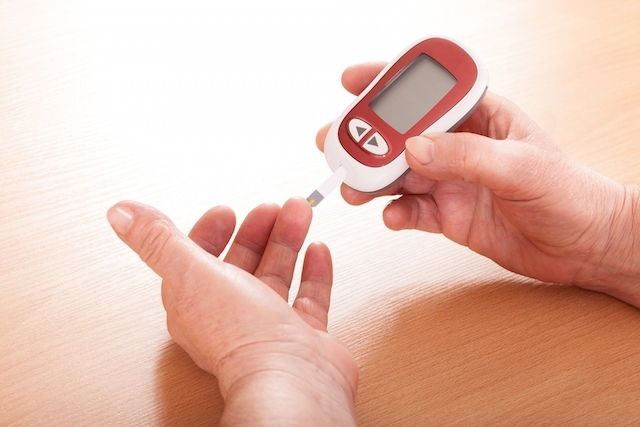
Tips for lowering blood sugar
Some effective strategies for lowering blood sugar include:
1. Eat foods with a low glycemic index
Low glycemic index foods help reduce blood sugar because they are absorbed slowly and release glucose gradually. They prevent blood sugar spikes after meals and improve insulin response.
Examples include oats, lentils, brown rice, fresh fruits with skin, and leafy greens. Whenever possible, pair these foods with protein or healthy fats to further slow carbohydrate absorption.
2. Exercise regularly
Regular physical activity is one of the most effective ways to lower blood sugar, as muscles use glucose for energy during exercise.
Exercise also improves insulin sensitivity, supporting long-term blood sugar control. Activities such as walking, running, dancing, swimming, or weight training are recommended for at least 150 minutes per week.
3. Avoid simple sugars and processed foods
Added sugars and refined carbs are absorbed quickly and cause sharp increases in blood sugar. It is important to limit soda, packaged juices, sweets, white bread, and sugary cereals.
Opting for whole grains and high-fiber natural foods helps stabilize blood sugar and supports digestive health.
4. Increase fiber intake
Eating more fiber helps lower blood sugar because it slows digestion and allows glucose to be released gradually.
Good sources include oats, legumes, chia seeds, and fruits with skin. Regular fiber intake also improves gut health and promotes satiety.
5. Manage daily stress
Stress triggers hormones like cortisol, which increase glucose production. Managing emotional balance is an important part of controlling blood sugar.
Breathing exercises, meditation, and yoga can help reduce stress. Taking breaks during the day and getting quality sleep also support hormone regulation.
6. Get enough sleep
Sleeping 7 to 9 hours per night helps regulate hormones that control appetite and insulin response, making it easier to maintain stable blood sugar.
Poor or insufficient sleep makes it harder for the body to keep glucose levels in check. Limiting screen use before bed, keeping a routine sleep schedule, and creating a calm bedroom environment can all improve sleep quality.
7. Avoid prolonged inactivity
Sitting for long periods reduces glucose use in the body, raising blood sugar levels. In addition to regular exercise, it is important to avoid long stretches of inactivity.
Simple actions like walking for a few minutes every hour, climbing stairs, doing squats, or stretching throughout the day can help lower blood sugar.
8. Drink plenty of water
Staying well hydrated supports kidney function and helps eliminate excess glucose through urine.
Water needs vary depending on age, activity level, climate, and health conditions. A doctor can recommend the right amount for each person.
9. Keep regular meal times
Eating meals at consistent times helps the body process nutrients more efficiently and supports blood sugar control.
Regular mealtimes also prevent overeating when hunger is intense.
10. Use home remedies
Some home remedies can complement diet and prescribed medications by mildly helping to lower blood sugar.
Examples include cinnamon tea, green tea, and hibiscus tea. These remedies should only be used under professional guidance, as they may interact with medications and cause hypoglycemia. They should never replace conventional treatment.
11. Exercise after meals
Light activity after meals, such as a 10 to 15-minute walk, can help reduce post-meal blood sugar.
Muscle activity promotes glucose absorption into cells and lowers the need for insulin. This habit can be especially helpful for people with high glucose, prediabetes, or type 2 diabetes.
12. Use medications
Doctors may prescribe antidiabetic medications to regulate blood sugar, especially when diabetes is diagnosed.
Commonly prescribed options include metformin, glipizide, glimepiride, or insulin.
How to lower blood sugar naturally
Natural ways to lower blood sugar include eating low glycemic index foods, increasing fiber intake, and avoiding processed foods.
Regular exercise and good-quality sleep also play a key role in natural blood sugar control.
How to know if blood sugar is high
To determine if blood sugar is high, a fasting glucose test is necessary. Levels above 125 mg/dL are considered elevated.
Diabetes is diagnosed when fasting glucose is 126 mg/dL or higher on at least two separate tests, or above 200 mg/dL in a single test if symptoms are present.
Doctors may also order other tests, such as the oral glucose tolerance test (OGTT), post-meal glucose, or HbA1c, which reflects average blood sugar over the past three months. Symptoms like excessive thirst, frequent urination, headaches, tingling in the hands or feet, and drowsiness may also signal hyperglycemia.
Blood sugar calculator
Check whether your blood sugar is within the normal range by entering your test results into the calculator below:
This calculator is intended only as a guide and should not replace evaluation or testing by an endocrinologist.