


How to check blood sugar involves using a blood glucose meter, which analyzes a small drop of blood taken from the fingertip. This test measures blood glucose levels at a specific point in time.
Fingerstick blood sugar testing is commonly used to quickly measure blood glucose levels and is especially useful for monitoring diabetes. Depending on a person's treatment plan, it may be recommended before and after meals.
If fingerstick blood sugar readings are consistently higher or lower than expected, it is important to see an endocrinologist or primary care provider. The doctor may order additional tests to confirm blood glucose levels or recommend changes to treatment if the person already has diabetes.
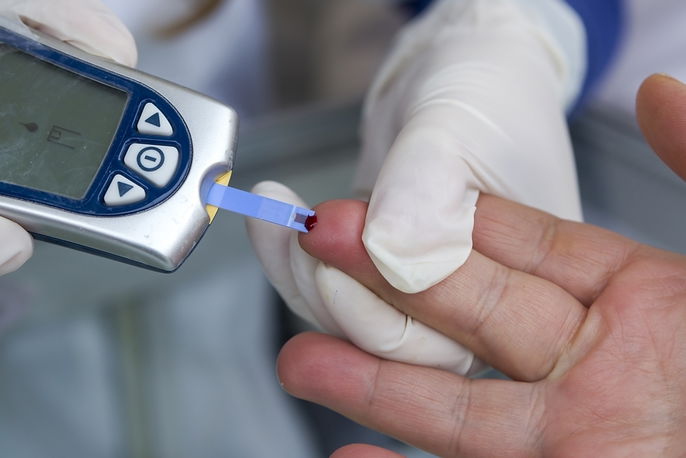
How to test
To check your blood sugar:
- Wash and dry your hands.
- Insert a test strip into the blood glucose meter.
- Use a new lancet to prick the side of your fingertip.
- Touch the test strip to the drop of blood until the sample area is filled.
- Wait a few seconds for the blood sugar reading to appear on the meter.
To avoid pricking the same spot repeatedly, use a different finger for each new fingerstick blood sugar test.
To help prevent inaccurate readings, clean the equipment regularly according to the manufacturer’s instructions. The test strips should not be expired, the glucose meter should be calibrated, and there should be enough blood for the test.
According to the American Diabetes Association, blood glucose meters can vary, so it is important to follow the user manual for the specific device being used.
Glucose levels
After measuring blood glucose with a fingerstick test, compare the result with the reference values below:
These ranges are commonly used to monitor diabetes treatment. However, even without a diabetes diagnosis, values above these limits should be evaluated by a doctor.
A blood glucose level below 70 mg/dL is considered hypoglycemia. According to the American Diabetes Association, hypoglycemia at 70 mg/dL or lower should be treated with fast-acting carbohydrates, such as juice or sugar dissolved in water.
Blood glucose calculator
To interpret your blood glucose result, choose the test type in the calculator below and enter your value.:
If blood sugar is above the recommended range, it is best to see a doctor for an evaluation. The doctor may adjust diabetes treatment or order more accurate tests to confirm the result if the person has not been diagnosed with diabetes.
How to lower glucose levels
You can help manage glucose levels with simple daily habits, such as regular physical activity and a balanced diet that limits foods high in sugar.
If your glucose levels do not return to the normal range, your doctor may prescribe diabetes medications, which should always be taken exactly as instructed.
Also recommended: How to Lower Blood Sugar: 10 Tips & Strategies tuasaude.com/en/how-to-lower-blood-sugar