


Herbs for anxiety are natural plants that contain calming compounds that may help reduce nervousness, stress, and sleep problems. Some of the most commonly used herbs for anxiety include passionflower, valerian, chamomile, lemon balm, and lavender.
Many herbs for anxiety can be consumed as herbal teas, extracts, or supplements that may help promote relaxation and improve sleep quality. Passionflower, for example, is known for its mild sedative properties that can help calm the nervous system and increase sleepiness.
This article reviews several herbs for anxiety that may help relieve tension and support emotional balance. It also explains how to prepare calming herbal teas, how supplements are typically used, and important safety considerations for pregnancy, babies, and children.
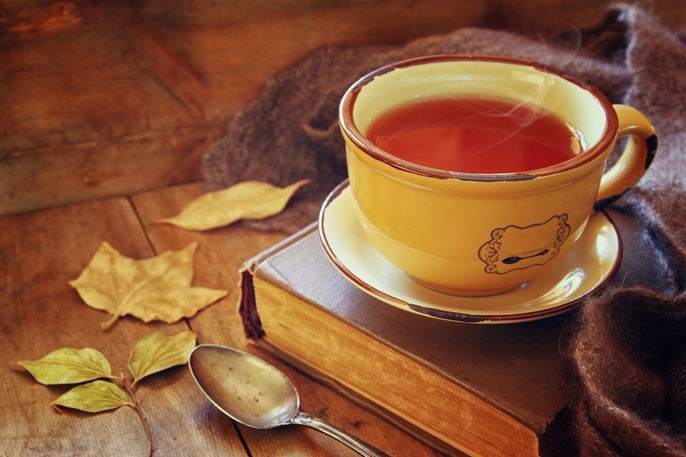
Calming herbs
There are many other plants that have similar effects, that reduce anxiety and nervousness. These include:
- Valerian: has calming effects that may promote drowsiness, making it a common option for agitation, insomnia, phobias, and anxiety.
- St. John’s wort: often used to support the nervous system and may help in the treatment of depression, anxiety, and nervousness.
- Chamomile: has calming effects on both the digestive and nervous systems, which may help ease agitation and nervousness.
- Linden: contains soothing properties that may help support treatment for nervous system conditions linked to excess stress and anxiety.
- Lemon balm: known for its soothing effects and may help with sleep problems, nervousness, and anxiety.
- Lavender: contains coumarin and essential oils with calming and relaxing properties that may help relieve nerve-related tension.
These plants can also be taken as capsules or supplements. Dosing should be guided by a doctor or other healthcare professional with experience in medicinal plants.
How to make a tea
To make the tea, choose one of the herbs listed above. Add 1 tea bag or 20 grams of the dried plant to 1 cup of boiling water and let it steep for 5 to 10 minutes. The tea can be consumed 2 to 3 times a day or during periods of stress.
When the goal is to improve sleep, valerian is one of the most commonly recommended options because it may help increase melatonin levels, which are important for sleep. In these cases, the tea is usually taken 15 to 30 minutes before bedtime. According to the CDC, it is best to avoid watching TV or using electronic devices, such as a cell phone, before bedtime because evening light and technology use may interfere with sleep.
One possible advantage of these natural sedatives is that they are less likely to cause dependence. However, even though they can be purchased without a prescription, they should still be used under the guidance of a doctor or other healthcare professional with experience in medicinal plants, since some herbs may be harmful if taken in excessive amounts.
Natural options for pregnancy
Natural sedatives used during pregnancy should only be taken under the supervision of the obstetrician providing prenatal care. They should be used only when necessary, as some may cause side effects or affect the baby’s health. One natural option that may be considered during pregnancy is freshly squeezed passion fruit juice.
Natural options for babies and children
Chamomile tea with sweet grass is a natural calming option for babies. It may help soothe irritability, promote drowsiness, and relieve gas related to colic in the first few months of life.
Gripe water is another natural option that may contain some of these medicinal plants and can be used for colic and irritability in babies older than 1 month. Even though it is available without a prescription, it should only be used under a doctor’s supervision.
Freshly squeezed passion fruit juice may also have a calming effect, especially after other foods have already been introduced. To prepare it, blend 1 cup of water with the pulp of 1 passion fruit, strain through a fine mesh sieve, and offer half a cup to the baby or child.
However, according to the American Academy of Pediatrics, fruit juice should not be given to infants under 12 months, so passion fruit juice should only be considered after age 1 and with guidance from the child’s pediatrician.