


Hepatitis is inflammation of the liver that, in most cases, is caused by viruses. However, it can also result from the indiscriminate use of medications, excessive alcohol consumption, or autoimmune conditions.
The most common types of hepatitis are those caused by viruses, especially hepatitis A, B, and C. These can cause symptoms such as yellowing of the skin and eyes, fever, fatigue, headache, diarrhea, nausea, and general malaise.
It is important to see a primary care doctor, hepatologist, or gastroenterologist as soon as the first symptoms of hepatitis appear. This allows for diagnosis confirmation and timely treatment, if necessary.
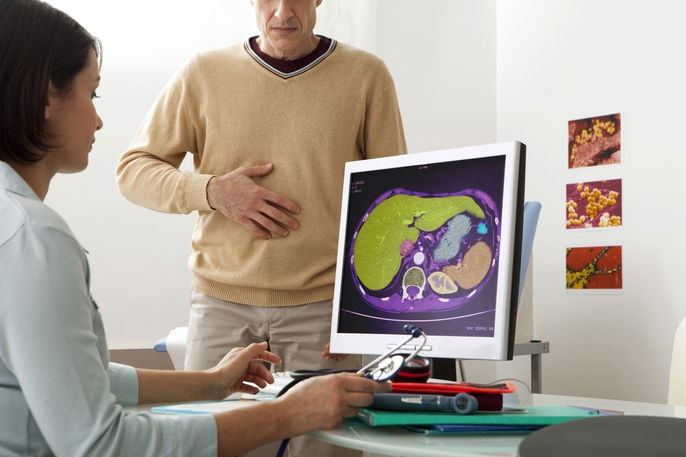
Symptoms of hepatitis
The main symptoms of hepatitis include:
-
Headache
-
General malaise
-
Abdominal pain and swelling
-
Yellowing of the skin and eyes
-
Dark urine
-
Pale stools
-
Nausea and vomiting
-
Unexplained weight loss
Hepatitis symptoms may vary depending on the underlying cause and can present with different levels of severity.
How hepatitis is diagnosed
Diagnosis of hepatitis should be made by a hepatologist, gastroenterologist, or primary care physician. This involves evaluating the person’s symptoms and performing blood tests to assess liver function, such as AST (TGO), ALT (TGP), bilirubin, and lactate dehydrogenase. Imaging tests such as CT scans and MRIs may also be ordered, as well as serologic tests to detect the presence or absence of hepatitis viruses.
Types of hepatitis
The types of hepatitis vary depending on the cause and mode of transmission:
1. Hepatitis A
Hepatitis A is caused by the hepatitis A virus (HAV), which inflames the liver and can cause symptoms like fatigue, low-grade fever, yellowing of the eyes and skin, nausea, abdominal pain, and headache. The infection is mainly spread by consuming contaminated water or food, but it can also be transmitted through unprotected sexual contact with an infected person.
2. Hepatitis B
Hepatitis B is caused by the HBV virus, which spreads when blood, semen, or other body fluids from an infected person enter the body of a healthy person. Transmission can occur through unprotected sex, sharing needles or syringes, or from an infected mother to her baby during pregnancy or childbirth. The symptoms are similar to those of hepatitis A.
3. Hepatitis C
Hepatitis C is caused by the HCV virus, which is transmitted through blood. This can occur from sharing needles and syringes used for tattoos or intravenous drug use, sharing personal hygiene items like razors or toothbrushes, or through unprotected sexual contact.
4. Hepatitis D
Hepatitis D is caused by the HDV virus, leading to symptoms such as fever, easy bleeding, mental confusion, and yellowing of the skin and eyes. This type usually occurs in people who already have hepatitis B, as the HDV virus uses the surface antigen of HBV to multiply and infect liver cells.
5. Hepatitis E
Hepatitis E is caused by the HEV virus, leading to acute or chronic hepatitis. It often causes no symptoms but can lead to low-grade fever, loss of appetite, nausea, or abdominal pain. The virus spreads through contaminated water, undercooked meat, or from an infected pregnant woman to her baby.
6. Hepatitis F
Hepatitis F is considered a subgroup of hepatitis C. However, the virus has not been identified in humans, making this type clinically irrelevant.
7. Hepatitis G
Hepatitis G is caused by the HGV virus and is usually found in people with hepatitis B, hepatitis C, or HIV. It is transmitted through contact with contaminated blood, unprotected sex, shared needles, or blood transfusions.
8. Autoimmune hepatitis
Autoimmune hepatitis is a genetic condition in which the immune system mistakenly attacks healthy liver cells, leading to inflammation. Symptoms include itchy skin, abdominal pain, joint pain, and loss of appetite.
9. Drug-induced hepatitis
Drug-induced hepatitis occurs when the liver becomes inflamed from certain medications, particularly when taken in excess or without medical supervision. Medications such as acetaminophen (paracetamol) can cause this type of hepatitis if misused.
10. Alcoholic hepatitis
Alcoholic hepatitis is caused by prolonged and excessive alcohol consumption and can lead to abdominal pain, nausea, vomiting, and loss of appetite.
11. Chronic hepatitis
Chronic hepatitis is liver inflammation lasting more than 6 months. It can lead to cirrhosis or liver failure, and in severe cases, a liver transplant may be necessary.
12. Fulminant hepatitis
Fulminant hepatitis is severe liver inflammation in individuals with previously healthy or controlled liver disease. The liver stops functioning, which can be fatal within a few days.
Main causes of hepatitis
The main causes of hepatitis are:
-
Viral infections (hepatitis A, B, C, D, E, and G viruses)
-
Uncontrolled medication use
-
Excessive alcohol consumption
Hepatitis may also result from other health conditions, such as lupus, Sjögren’s syndrome, cystic fibrosis, inflammatory bowel disease, hemolytic anemia, rheumatoid arthritis, scleroderma, or glomerulonephritis.
How hepatitis spreads
Hepatitis of infectious origin is primarily transmitted by:
-
Contact with contaminated blood
-
Consuming water or food contaminated with the virus
-
Sharing needles and syringes
-
Unprotected sexual contact
-
Using unsterilized equipment for tattoos, piercings, or manicures
Less common forms of transmission include blood transfusions and mother-to-child transmission during pregnancy or childbirth.
How hepatitis is treated
In addition to rest and hydration, hepatitis treatment may involve a balanced diet, alcohol abstinence, medications, and, in some cases, a liver transplant.
1. Medications
Doctors may prescribe medications like interferon, tenofovir, ribavirin, and entecavir to stop the viruses from multiplying in cases of hepatitis B, C, D, E, and G.
For autoimmune hepatitis, corticosteroids like prednisone or immunosuppressants such as azathioprine may be recommended.
These medications can cause side effects such as joint pain, headaches, and fever. Some people may stop treatment early due to these effects, which can compromise recovery. However, side effects are typically more common at the beginning and tend to lessen with the use of pain relievers, antidepressants, or anti-inflammatory medications.
2. Alcohol abstinence
Abstaining from alcohol is essential, as it helps reduce liver inflammation and supports recovery.
3. Diet
A diet for hepatitis should include healthy foods such as lean proteins, fruits, vegetables, legumes, and whole grains. These are rich in vitamins, antioxidants, and nutrients that help the liver recover.
It is recommended to avoid fried foods, packaged snacks, cookies, and ice cream, as bile production (needed for fat digestion) is often reduced during hepatitis.
4. Liver transplant
A liver transplant involves replacing the diseased liver with part or all of a healthy donor liver. This may be recommended for people with any type of advanced hepatitis who are not improving with treatment or who have progressed to liver failure and cirrhosis.
Is hepatitis curable?
Most types of hepatitis can be cured when diagnosed early and treated properly. However, if treatment is not followed as recommended, hepatitis may progress and lead to death.
Hepatitis D and autoimmune hepatitis cannot be cured, as there are currently no medications capable of completely eliminating these diseases, though they can be controlled.
How to prevent hepatitis
To prevent hepatitis, it is recommended to:
-
Get vaccinated against hepatitis A and hepatitis B
-
Use condoms during all sexual activity
-
Wash fruits and vegetables with clean, boiled, or chlorinated water if they will be eaten raw
-
Do not share needles or syringes
-
Wash hands before and after using the bathroom, preparing meals, and eating
It is also important to avoid sharing personal items such as razors, toothbrushes, manicure tools, and equipment for tattoos or piercings.