


Hair loss in women can be caused by several factors, including anemia, stress, menopause, breastfeeding, scalp inflammation, or genetics.
It’s generally defined as the loss of more than 100 hairs per day, which can often be noticed when washing or brushing the hair, or through hair that appears thinner, shorter, or less dense than usual.
Treatment for hair loss in women should always be guided by a dermatologist. Depending on the cause, it may involve medications, supplements, dietary adjustments, or aesthetic treatments designed to stimulate hair growth and reduce shedding.
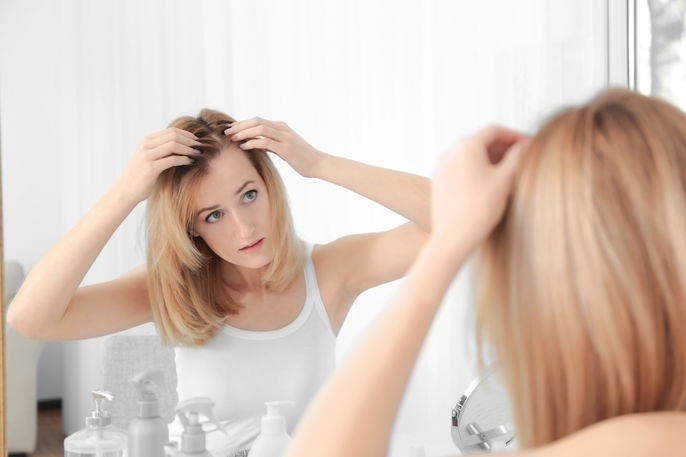
What causes hair loss in women?
The most common causes of hair loss in women include:
-
Anemia;
-
Stress, anxiety, or depression;
-
Scalp inflammation;
-
Exposure to cigarette smoke, which can build up on the hair;
-
Frequent hair coloring, perms, or chemical straightening;
-
Hairstyles that pull tightly on the scalp;
-
Genetic predisposition (such as androgenetic alopecia);
-
Chemotherapy;
-
Hormonal changes during menopause, breastfeeding, or postpartum;
-
Thyroid disorders;
-
Restrictive diets;
-
Infections, such as COVID-19.
Certain medications, such as warfarin, heparin, propylthiouracil, carbimazole, vitamin A, isotretinoin, acitretin, lithium, beta-blockers, colchicine, and amphetamines, can also contribute to hair loss in women.
To identify the exact cause of hair loss, it’s important to schedule an appointment with a dermatologist in your area.
Also recommended: What Causes Hair Loss? 8 Possible Reasons & Treatments tuasaude.com/en/what-causes-hair-lossTreatment options
Treatment for hair loss in women should be prescribed by a dermatologist and depends on the underlying cause and the amount of hair being lost each day.
1. Medications
Medications such as minoxidil are often recommended because they help improve blood circulation in the scalp, which can reduce hair loss and stimulate new growth.
Finasteride, which is FDA-approved to hair loss in men, may also be prescribed off-label by a dermatologist for hair loss in women.
2. Scalp mesotherapy
Scalp mesotherapy is an aesthetic procedure that may be recommended by a doctor to treat hair loss in women.
It involves injecting a mixture of vitamins, minerals, and medications directly into the scalp to nourish the hair follicles, stimulate growth, and prevent further shedding.
3. Scalp carboxytherapy
Scalp carboxytherapy is another aesthetic treatment that involves injecting carbon dioxide gas directly into the scalp.
This helps stimulate blood flow, improve cell nutrition, and eliminate toxins, which supports stronger and healthier hair growth.
4. Diet for hair loss
Maintaining a diet rich in protein and selenium is essential for preventing hair loss and strengthening the hair. Selenium is a key mineral for the health of the skin, hair, and nails.
Good sources of these nutrients include lean meats, Brazil nuts, and egg yolks.
Also recommended: 20 Foods High in Selenium: Benefits & Daily Amount tuasaude.com/en/foods-high-in-selenium5. Dietary supplements
When hair loss in women is linked to nutritional deficiencies or anemia, a doctor may recommend supplements that contain vitamins and minerals, especially iron.
These supplements not only help reduce hair loss but can also improve other symptoms related to poor nutrition. Check out best hair growth supplements.