


Graves' disease is an autoimmune condition that causes the thyroid gland to produce too much thyroid hormone, leading to hyperthyroidism. This hormonal imbalance can result in symptoms such as anxiety, weight loss despite increased appetite, bulging eyes, and a rapid heartbeat.
Graves' disease is the most common cause of hyperthyroidism and tends to occur more frequently in women between the ages of 20 and 50, although it can develop at any stage of life.
In cases of suspected Graves' disease, it's important to consult an endocrinologist. Treatment may include antithyroid medication, radioactive iodine therapy, or thyroid surgery, depending on the severity. Managing the disease properly can help prevent complications such as heart failure or osteoporosis.
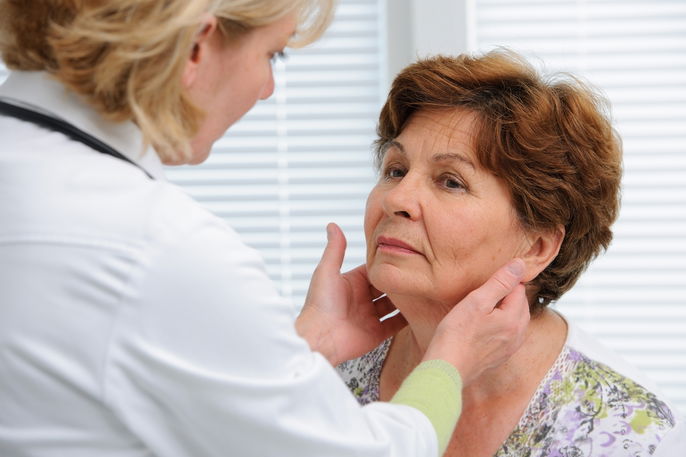
Main symptoms
The most common symptoms of Graves' disease include:
- Restlessness, anxiety, and/or rapid heartbeat
- Diarrhea and weight loss
- Irregular or missed periods in women
- Feeling unusually warm and/or excessive sweating
- Swelling in the lower front of the neck
- Muscle weakness
- Bulging eyes, puffy eyelids, and/or double vision
The specific symptoms can vary based on how long the disease has been present, its severity, the person's age, and how sensitive they are to high levels of thyroid hormone, also known as hyperthyroidism.
In older adults, symptoms can be more subtle, such as fatigue or unexplained weight loss, and may sometimes be mistaken for other health conditions.
How Graves' disease is diagnosed
Diagnosis is usually made by an endocrinologist, based on symptoms and blood tests that check thyroid hormone levels, such as TSH and T4, as well as the presence of thyroid-stimulating antibodies.
Additional tests, like a thyroid scan, CT scan, or MRI, may be recommended to get a better understanding of changes in the thyroid gland and to confirm the diagnosis.
Possible causes
Graves' disease is caused by abnormal antibodies that stimulate the thyroid gland, acting in a similar way to the TSH hormone, which normally regulates thyroid function.
The exact reason why these antibodies develop is not fully understood, but certain factors may increase the risk, such as:
- Being female and over the age of 40
- A family history of Graves' disease
- Physical or emotional stress
- Smoking
- Pregnancy or recent childbirth
Having other autoimmune conditions, such as type 1 diabetes or rheumatoid arthritis, can also raise the risk of developing Graves' disease.
Treatment options
Treatment for Graves' disease should be managed by an endocrinologist and may involve:
- Antithyroid medications, such as methimazole or propylthiouracil, to reduce thyroid hormone production
- Radioactive iodine therapy, which destroys overactive thyroid cells to lower hormone levels
- Surgery, to remove part of the thyroid gland, often recommended when cancer is suspected, when the thyroid is very enlarged, or when symptoms like difficulty eating or speaking are present
Beta blockers, such as propranolol or atenolol, may also be prescribed to control symptoms like heart palpitations, tremors, or rapid heartbeat.
For people experiencing eye problems, treatment may include artificial tears and corticosteroids to reduce inflammation and dryness. Quitting smoking is also strongly recommended, as it can worsen eye symptoms.
Graves' disease during pregnancy
During pregnancy, Graves' disease should be managed with the lowest possible dose of medication. If possible, medications may be stopped during the third trimester, as antibody levels often decrease late in pregnancy.
However, careful monitoring is necessary during this time. High levels of thyroid hormones or medication can cross the placenta and may be harmful to the baby.