


Gallbladder removal, or cholecystectomy, is a procedure that is primarily indicated in the case of gallstones. It is performed under general anesthesia.
In most cases, gallbladder removal is a planned surgery, however it may also be done urgently to prevent complications in the presence of symptoms like cramping and intense pain, which may be signs of inflammation and/or infection.
Some people may experience abdominal discomfort following surgery. This is considered normal and is usually managed with the use of anti-inflammatories. Patients are recommended to rest for about 1 to 2 weeks following surgery, and to start with a liquid diet immediately post-op before gradually advancing back to a regular diet.
Indications for surgery
Gallbladder removal may be recommended in the following situations:
- Presence of gallstones;
- Bile duct tumors;
- Gallbladder infection (cholecystitis);
- Damage to the blood vessels that supply the gallbladder.
Cholecystectomy may also be indicated for polyps or other changes to the gallbladder that could be concerning for cancer.
Preparing for surgery
Prior to gallbladder surgery, tests are typically ordered to evaluate a person's overall health and to examine the gallbladder and surrounding organs to confirm it is safe to proceed with surgery. These may include blood tests like a complete blood count (CBC) and coagulation panel as well as exams like an electrocardiogram (ECG).
It is also recommended for a person to eat lighter meals in the weeks leading up to surgery, and to avoid smoking and drinking alcohol to prevent inflammation of the gallbladder. Patients should fast for at least 8 hours prior to surgery to prevent side effects related to anesthesia.
Surgical procedure
Gallbladder removal surgery can be done two different ways:
- Conventional surgery, also known as an open cholecystectomy, which is done through a large incision in the abdomen to remove the gallbladder. This type of surgery typically involves a longer recovery and results in a more visible scar;
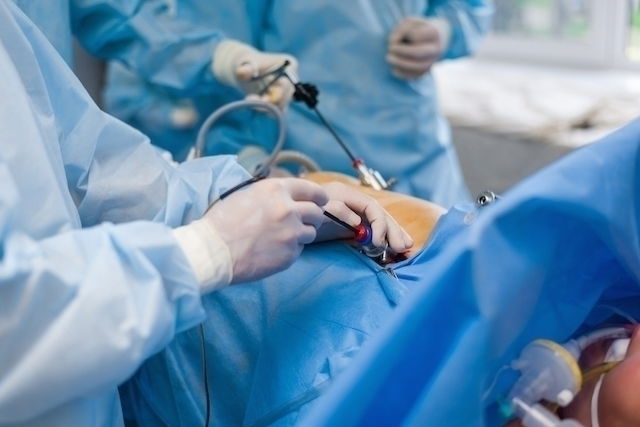
- Laparoscopic surgery, or minimally invasive surgery, which is done through four incisions made in the abdomen, through which a surgeon passes the surgical tools and a small camera to perform the surgery. This type of surgery involves less manipulation and is associated with a faster recovery, less pain, and smaller scars.
Both types of surgery are done under general anesthesia. Laparoscopic surgery may be done outpatient, meaning you can go home the same day, or may require an overnight hospital stay. Open surgery typically requires a longer hospital stay, sometimes up to a week.
In some cases, the abdomen may be very distended due to complications from gallstones like cholangitis or pancreatitis. In these cases, recovery time may be longer and require more time in the hospital.
If extended bedrest is necessary (more than 3 days), physical therapy may be ordered while still in the hospital to maintain good mobility and prevent respiratory complications that can occur following any surgery.
Recovery period
After the effects of the anesthesia and pain medications wear off, the patient may feel lightheaded or experience some abdominal discomfort, which can also radiate to the shoulder or neck. A doctor or other healthcare provider can prescribe the use of analgesics or anti-inflammatories while the pain lasts, including acetaminophen (Tylenol) and ibuprofen (Advil).
1. Length of recovery
Bedrest is indicated immediately following gallbladder surgery for 1 to 2 days. After that point, it is possible to take short walks and return to light activities. Returning to work and other day-to-day activities like driving or light exercise should only take place after 1 week in the case of laparoscopic surgery or 2 weeks in the case of conventional surgery.
It is also important to avoid spending too much time sitting or lying down and to take short walks around the house during the day. Because every case is different, it is important to follow the instructions given to you by your doctor.
2. Post-op diet
A liquid diet is typically recommended in the first days following surgery. Patients are also advised not to move around too much in order to let the surgical wounds heal. After this point, your diet will slowly return back to normal, although it is recommended to avoid foods high in fat, like fried foods.
Gallbladder removal surgery does not have any relation to weight loss, therefore any weight loss that occurs will be due to dietary changes made after surgery.
After the gallbladder is removed, the bile produced by the liver will continue to be produced, however instead of being stored in the gallbladder it continues straight on to the intestines to eliminate fat ingested from food, not fat stored in the body.
Possible risks
The risks of gallbladder removal surgery are minimal, with the most serious being injury to the bile duct, hemorrhage, or infection, which can occur as a result of any surgery.
It is important to be seen right away in the emergency department for symptoms like a fever higher than 38ºC (100.4°F), pus draining from the surgical sites, or yellow skin or eyes, as well as shortness of breath, vomiting, or pain that does not improve with the use of medications prescribed by your doctor.