


- Gabapentin is widely prescribed to manage partial seizures in adults and children, as well as nerve pain caused by shingles.
- Dosing schedules vary significantly by brand (Neurontin vs. Gralise/Horizant), so these forms are not interchangeable.
- Common side effects include drowsiness and dizziness, and the medication requires caution when taken with opioids, alcohol, or antacids.
Gabapentin is an anticonvulsant medication primarily prescribed to treat seizures in adults and children over the age of 3. It is also FDA-approved for managing neuropathic pain caused by shingles (post-herpetic neuralgia) in adults.
You can purchase this medication at pharmacies in the form of tablets or capsules ranging from 100 mg to 800 mg. It is available under brand names such as Neurontin, Gralise, or Horizant and requires a doctor's prescription.
Gabapentin should only be used under the guidance of a neurologist or healthcare provider. Dosage is highly individualized based on the specific condition being treated and the specific brand prescribed.
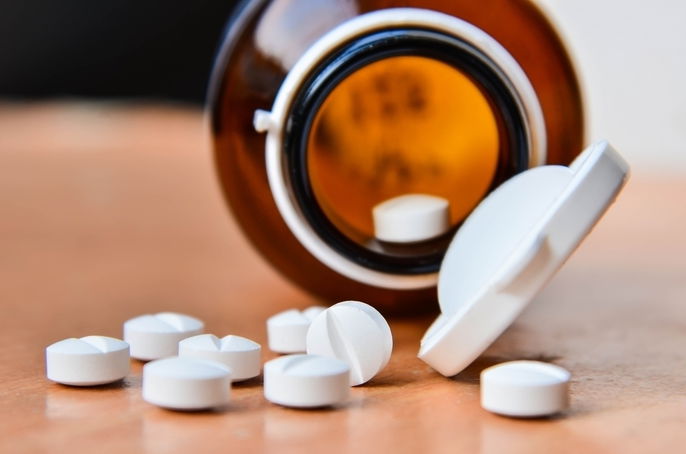
What it is for
Gabapentin is FDA-approved for the treatment of:
-
Epilepsy (partial seizures with or without generalization);
-
Post-herpetic neuralgia (nerve pain from shingles).
It is also frequently prescribed "off-label" by doctors for neuropathic pain associated with diabetes (diabetic neuropathy), though this is not an FDA-labeled indication.
The use of gabapentin requires the guidance of a neurologist, who can determine the best dose and treatment duration according to the specific condition.
How to take
Gabapentin must be taken orally with a glass of water, either before or after a meal. The tablets or capsules should be swallowed whole without splitting or chewing, following the dose, schedule, and duration established by the doctor.
Different brands have different dosing schedules:
-
Neurontin (immediate-release): Typically taken 3 times a day to maintain constant levels in the body.
-
Gralise or Horizant (extended-release): Typically taken once or twice daily. Do not interchange these with immediate-release gabapentin without medical advice.
The general dosage guidelines for immediate-release gabapentin (Neurontin) include:
-
Epilepsy in adults and children over 12: The effective dose range is usually 900 to 1800 mg per day, taken in divided doses (3 times a day). Doses may be increased up to a maximum of 3600 mg per day in strict consultation with a doctor. (Note: Children aged 3 to 12 have different weight-based dosing requirements).
-
Neuropathic pain in adults: The recommended starting dose often begins low (e.g., 300 mg once daily) and is titrated up to a maintenance dose of 900 to 1800 mg per day, taken in 3 divided doses. The maximum dose is generally 3600 mg per day.
If you forget to take a dose at the right time, take it as soon as you remember, but skip the missed dose if it is almost time for your next one. Do not double the dose to make up for a missed one.
The duration of treatment with gabapentin depends on medical advice and the specific indication.
Possible side effects
The most common side effects of gabapentin include fever, chills, sore throat, body aches, excessive tiredness, headache, double vision, tremors, difficulty speaking, dizziness, drowsiness, swelling in the legs or feet, balance problems, nausea, or vomiting.
Gabapentin can cause severe allergic reactions with symptoms such as difficulty breathing, cough, chest pain, a sensation of the throat closing, or swelling of the mouth, tongue, or face. In these instances, you must go to the emergency room immediately.
Immediate medical attention is also necessary if gabapentin is taken in doses higher than recommended and overdose symptoms appear, such as weak or difficult breathing, bluish skin, lips, or fingers, confusion, excessive drowsiness, rapid eye movement, or increased seizures.
Additionally, caregivers should watch for behavior changes in children, such as memory problems, difficulty concentrating, agitation, or aggressiveness, and report them to the doctor.
Does gabapentin cause weight gain?
Gabapentin does not inherently cause weight gain; however, one of the side effects of this medication is increased appetite. This increase in appetite can result in weight gain for some people.
Contraindications for use
Gabapentin should not be used by pregnant or breastfeeding women, or people allergic to gabapentin, unless explicitly directed by a doctor. While approved for children over 3 for seizures, safety for neuropathic pain in children has not been established.
This medication should be used with caution in people with kidney problems, as gabapentin doses may need to be adjusted to avoid side effects.
Furthermore, taking certain opioid analgesics, such as morphine or hydrocodone, or consuming alcohol during treatment with gabapentin can increase the risk of serious side effects like respiratory depression, drowsiness, or dizziness.
Caution should also be exercised regarding the use of antacids containing aluminum hydroxide or magnesium hydroxide, as they can decrease the effect of gabapentin. It is recommended to avoid taking antacids for at least 2 hours before taking gabapentin.