


Fructose, or “fruit sugar,” is a type of carbohydrate naturally found in fruit, honey, and agave. It is also found in small amounts in legumes and some vegetables, such as beets, onions, and carrots.
Fructose can also be made from corn or sucrose in the form of fructose syrup or high-fructose corn syrup. These sweeteners are commonly used in processed foods such as cookies, juices, sauces, and soft drinks.
Fructose that naturally occurs in fruit is not considered harmful on its own, because fruit also provides nutrients such as fiber, vitamins, and antioxidants. In contrast, too much added fructose from processed foods may contribute to problems such as cardiovascular disease, obesity, high uric acid, and diabetes.
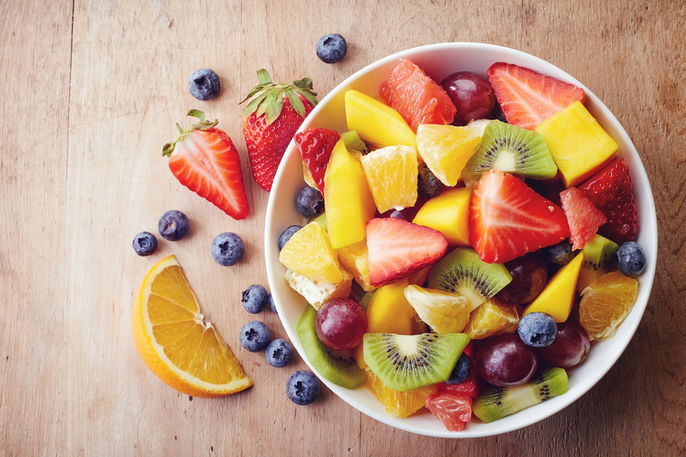
Is fructose bad for you?
Eating large amounts of added fructose in processed foods may be harmful and can contribute to conditions such as:
-
Higher levels of LDL (“bad”) cholesterol and triglycerides in the blood
-
Fat buildup in the liver, increasing the risk of fatty liver
-
Higher risk of cardiovascular disease
-
Insulin resistance and type 2 diabetes
-
Increased visceral fat
-
Higher risk of overweight and obesity
Too much fructose from processed foods may also raise uric acid levels in the blood, which can contribute to gout, an inflammatory condition that causes joint swelling and pain.
In addition, fructose may cause symptoms such as abdominal bloating, excess gas, and diarrhea in people with fructose intolerance and irritable bowel syndrome.
Is fructose from fruit harmful?
The fructose found in fruit is generally not harmful. That is because fruit is rich in fiber, antioxidants, vitamins, and minerals, which help prevent blood sugar spikes and may lower the risk of conditions such as cardiovascular disease, diabetes, and obesity.
It is recommended to eat 2 to 3 servings of fresh fruit per day and, whenever possible, include the peel and pulp. Natural fruit juice should be limited because it contains more fructose and less fiber, and, according to the CDC, whole fruit is a better choice than juice, since juicing removes most of the fiber.
However, fructose from fruit may be a problem for people with irritable bowel syndrome and fructose intolerance.
Foods high in fructose
Some foods high in fructose are:
-
Soft drinks
-
Ketchup
-
Cakes
-
Ice cream
-
Cereal bars
-
Crackers
-
Jams
-
Apples
-
Cherries
-
Grapes
-
Natural and processed juices
In addition, dates, honey, agave, and dried or canned fruits are high in fructose. To avoid consuming too much, it is important to check the ingredient list on food labels, since the FDA’s Food Labeling Guide requires labels to include specific information that identifies what a product contains.
The FDA also considers honey and other single-ingredient sugars and syrups to be food sweeteners, not medications.
High-fructose corn syrup
High-fructose corn syrup is a sweetener made from corn starch that is commonly added to processed and ultra-processed foods. According to the FDA, it is used in foods and is classified as “generally recognized as safe” (GRAS) when used as a direct ingredient in human food.
It can be found in foods such as cookies, breakfast cereals, candy, cereal bars, canned foods, sauces, and sweets.
It may also be used to sweeten drinks such as concentrated or powdered juices, carbonated beverages, and flavored water.
This type of sweetener is used in foods because of its lower cost, strong sweetening power, and good yield compared with other sweeteners such as sucrose.
Long-term and excessive intake of fructose from high-fructose corn syrup may increase the risk of metabolic disease.
Fructose content in foods
The table below shows the amount of fructose per 100 g of certain foods:
Fructose is also found in small amounts in vegetables such as carrots, lettuce, tomatoes, and cucumbers, and in legumes such as beans, lentils, and chickpeas.
Frequently asked questions
Some common questions about fructose are:
1. What is fructose intolerance?
Fructose intolerance is difficulty absorbing or digesting foods rich in this carbohydrate. It can cause symptoms such as excess gas, stomach pain, nausea, diarrhea, and bloating.
2. What is the difference between glucose and fructose?
Glucose is a type of sugar that is often added to processed foods in the form of dextrose extracted from corn or wheat. This sugar is absorbed directly from the intestine into the bloodstream and is then used for energy or stored as glycogen in the muscles or liver.
Glucose raises blood sugar faster than fructose and stimulates insulin release.
Fructose, on the other hand, is naturally found in fruits, honey, agave, and some vegetables. It is also added to processed foods in the form of high-fructose corn syrup.
Fructose is absorbed directly into the bloodstream, but it raises blood sugar more gradually than glucose and does not affect insulin levels in the same way.
3. Do tomatoes have fructose?
Yes, tomatoes contain fructose. However, like other vegetables, tomatoes are low in fructose.
4. Does fructose cause weight gain?
Too much fructose, especially from ultra-processed foods, can contribute to weight gain.
That's because fructose is processed directly by the liver and, when consumed in excess, can contribute to the buildup of body fat.
5. Are there fruits without fructose?
There are no fruits without fructose, because fructose is the natural sugar found in these foods.
However, some fruits are naturally lower in fructose, including avocados, lemons, strawberries, oranges, tangerines, and blackberries.