


- Natural compounds found in garlic, beets, and cayenne pepper help stimulate nitric oxide production to relax blood vessels and enhance circulation throughout the body.
- Incorporating antioxidant-rich foods like oranges and green tea can reduce arterial inflammation and help prevent the formation of fatty plaques in the veins.
- Maintaining optimal blood flow requires a balanced approach of staying well-hydrated while limiting processed items that are high in sodium and refined sugars.
Certain foods like oranges, ginger, and garlic possess natural anti-inflammatory properties that can significantly boost your circulation. These nutrients help minimize common issues like leg pain and swelling by supporting healthy blood vessel function.
It is vital to incorporate these items into your daily routine while limiting foods high in sodium and refined sugar. Making these dietary adjustments helps prevent arterial blockages and ensures your heart can pump blood efficiently.
Staying well-hydrated is another essential step for maintaining optimal blood flow and reducing fluid retention. Drinking water consistently throughout the day assists in moving nutrients through your system and keeping your veins elastic.
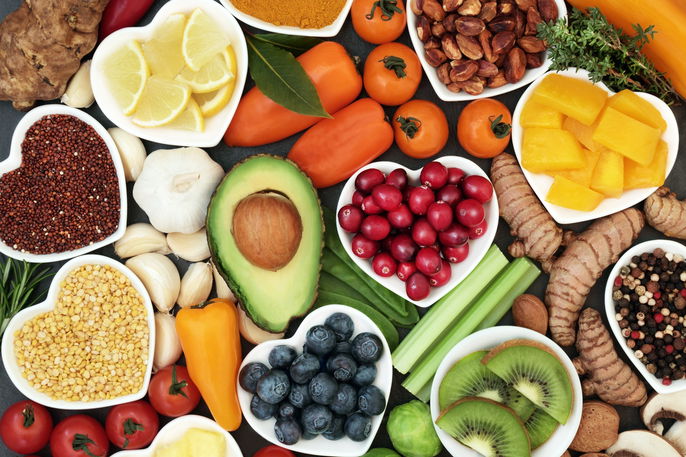
Main foods that increase blood flow
Some examples of foods that help improve blood circulation include:
1. Green tea
Green tea is rich in catechins, which are phenolic compounds that reduce inflammation and help relax blood vessels. These antioxidants prevent the formation of fatty plaques in the arteries, improving overall circulation and helping to prevent conditions like high blood pressure, atherosclerosis, and heart attacks.
You can prepare green tea using dried leaves, powder, or tea bags. It is generally recommended to drink between 2 and 3 cups per day to see the benefits.
2. Cayenne pepper
Cayenne pepper improves circulation because it contains capsaicin, a bioactive compound that stimulates the release of nitric oxide. This compound is responsible for dilating blood vessels and facilitating smoother blood flow through veins and arteries.
You can add one teaspoon of cayenne pepper powder to a bottle of olive oil to use as a salad dressing. Additionally, cayenne pepper works well as a seasoning for soups, meats, sauces, and stews.
3. Dark chocolate
Dark chocolate contains high amounts of cocoa, which provides anti-inflammatory and antioxidant benefits. These properties decrease the oxidation of fat cells, which reduces the risk of blood clots and improves general circulation.
To get the most out of this food, it is recommended to eat between 20 and 30 grams of dark chocolate per day, specifically varieties with at least 70% cocoa. Dark chocolate can be enjoyed on its own or paired with fruits and nuts.
4. Walnuts
Walnuts improve blood flow because they are rich in omega-3 fatty acids and ellagic acid. These bioactive compounds have anti-inflammatory and antioxidant properties that support arterial health and inhibit the buildup of fat in the veins.
To experience the benefits of walnuts, you should consume one serving per day, which is about 28 grams or roughly 5 to 6 individual walnuts. They can be eaten as a snack or added to yogurt, fruit, sauces, bread, or granola.
5. Beets
Beets are high in nitrates, which the body converts into nitric oxide to promote blood vessel relaxation and improved blood flow. This process helps lower the pressure within the circulatory system.
Beets can be eaten raw or cooked and are versatile enough to be included in salads, juices, spreads, soups, and even baked goods like muffins or bread.
6. Oranges
Oranges are a primary source of vitamin C, a nutrient with potent antioxidant and anti-inflammatory actions. Vitamin C helps maintain healthy circulation by strengthening and relaxing the walls of the blood vessels.
Furthermore, the vitamin C found in oranges supports collagen formation. Collagen is a structural protein in the arteries that provides elasticity, making it easier for the heart to transport blood throughout the entire body.
Oranges are best consumed fresh or added to recipes such as fruit salads, smoothies, dressings, pancakes, and jams.
7. Garlic
Garlic is rich in allicin, an organic compound that helps reduce levels of LDL or bad cholesterol and trigylcerides. By keeping the arteries clear of buildup, garlic helps maintain healthy blood pressure and flow.
You can obtain these benefits by consuming one clove of fresh garlic per day. It is a common seasoning for meats, salads, sauces, and pasta. For maximum results, chop or crush the garlic and let it sit for 10 minutes before cooking to increase the allicin content.
8. Açaí
Açaí is an excellent choice for boosting circulation because it stimulates the production of nitric oxide. As a potent vasodilator, it makes it easier for the blood to deliver oxygen and essential nutrients to all parts of the body.
Açaí is often served with yogurt, granola, oats, or almonds. It can also be incorporated into various sweet or savory dishes, including smoothies, breads, and healthy bowls.
9. Turmeric
Consuming turmeric supports the strength of blood vessel walls and improves flow due to its high concentration of curcumin. Curcumin is a powerful antioxidant that protects healthy cells from damage caused by free radicals.
Turmeric is available in fresh or powdered form. It is frequently used to season soups, meats, and vegetables, and it can also be brewed into a beneficial tea.
10. Grapes
Grapes, particularly purple and red varieties, help improve circulation and prevent cardiovascular disease. They are rich in resveratrol, tannins, and anthocyanins, which are bioactive compounds that stop plaques from forming in the arteries.
Grapes can be eaten fresh with the skin on or used in juices, salads, and frozen desserts. While there is no specific daily requirement for grapes, it is recommended to eat 2 to 3 servings of fruit daily, totaling about 200 grams.
11. Sardines
Sardines are an excellent source of omega-3, a healthy fat that improves circulation by stimulating nitric oxide production. They also offer anti-inflammatory and anti-thrombotic benefits, which help thin the blood slightly to allow for easier flow.
To gain these benefits, aim to eat an 85-gram serving of sardines twice a week. They can be enjoyed baked, grilled, or added to stews.
12. Tomatoes
Tomatoes improve circulation because they are high in potassium. This mineral helps the arteries relax, which facilitates blood flow and helps prevent high blood pressure and fluid retention.
Tomatoes can be consumed raw, cooked, or sun-dried. They are a staple ingredient in juices, salads, sauces, and soups.
13. Ginger
Ginger boosts blood flow because it contains gingerol, shogaol, and zingerone. These phenolic compounds have vasodilating and anti-inflammatory properties that help improve the movement of blood through the veins.
Additionally, ginger inhibits the formation of fatty plaques in the blood vessels, which can help prevent serious conditions like heart attacks and strokes.
Ginger can be used fresh, dried, or as a powder in teas, smoothies, yogurts, or savory dishes like soups and salads.
14. Onions
Onions contain alliin and quercetin, which are compounds with antioxidant and anti-inflammatory actions. These nutrients promote the relaxation of blood vessels, which directly improves circulation.
Onions also help reduce platelet aggregation, lowering the risk of blood clots that could lead to a stroke. They can be eaten raw in salads, roasted, or used as a base for sauces and creams.
Sample menu to improve circulation
The following table provides a 3-day meal plan designed to boost your circulation:
The specific portions and food types should be adjusted based on your age, gender, activity level, and overall health. It is always best to consult with a registered dietitian to create a personalized nutrition plan.
What to avoid
To maintain healthy blood flow, you should limit or avoid the following items:
-
High-sodium foods: Processed meats, canned goods, and salty snacks can increase blood pressure and lead to fluid retention, which strains the circulatory system.
-
Ultra-processed foods: Items like frozen pizzas, fast food burgers, and packaged snacks are often high in trans fats and refined sodium, which contribute to arterial inflammation.
-
Refined sugars: Candy, soda, and sugary desserts cause blood sugar spikes that can damage the lining of the blood vessels over time.
-
Fried and high-fat foods: Sausages, butter, and heavy sauces contain excess fats that can accumulate in the arteries and block blood flow.
Furthermore, excessive alcohol consumption can raise blood pressure and increase the risk of blood clots, both of which negatively impact cardiovascular health