


Flexible sigmoidoscopy is a procedure used to examine the lower part of the large intestine, including the rectum and anus, for any abnormalities or signs of disease. It can help screen for colorectal cancer, detect diverticula and polyps, and identify the source of intestinal bleeding.
This test is typically ordered by a gastroenterologist or a colorectal surgeon. It’s a quick and straightforward procedure that’s usually done without sedation, though some people may feel minor discomfort.
Although it is similar to a colonoscopy, flexible sigmoidoscopy examines only the rectum and sigmoid colon, which is the lower part of the large intestine. Unlike a colonoscopy, it may involve a less extensive bowel prep and is often performed without sedation.
What it does
Flexible sigmoidoscopy is an imaging test used to examine the lining of the lower part of the large intestine, rectum, and anus, helping identify lesions or other abnormalities in this area.
During the procedure, the doctor may take small tissue samples (biopsies) to be analyzed in a laboratory, helping confirm whether any abnormalities are present.
When it is recommended
Flexible sigmoidoscopy may be recommended by a gastroenterologist or colorectal surgeon to:
-
Monitor inflammatory diseases of the rectum
-
Check for a rectal mass or tumor
-
Screen for colorectal cancer
-
Look for diverticula and polyps
-
Identify and investigate the cause of severe colitis
-
Detect the source of bleeding
-
Evaluate hemorrhoids, fissures, and anal fistulas
The doctor may also recommend a flexible sigmoidoscopy to look for any abnormalities that could explain changes in bowel habits.
According to the U.S. Preventive Services Task Force, adults 45 to 75 should be screened for colorectal cancer, and flexible sigmoidoscopy is one of the recommended screening options. In some situations, colonoscopy may be recommended instead.
How to prepare
Patients may need to follow a special diet for a few days before the exam, and fasting may or may not be necessary. Because preparation instructions can vary, it is important to always follow the doctor’s specific directions.
To make the exam easier to perform, the lower part of the large intestine usually needs to be cleaned beforehand. This may be done with a glycerin suppository or a sodium phosphate (Fleet) enema, about 4 hours before the exam and repeated 2 hours before, as instructed by the doctor.
If a Fleet enema is used, it is generally inserted into the anus and then held for about 10 minutes, or for as long as possible before having a bowel movement.
How it is done
Flexible sigmoidoscopy is a simple exam that usually takes about 10 to 15 minutes and can be done in an outpatient clinic or hospital. Sedation is not usually needed, although light sedation may sometimes be used because the exam can cause discomfort.
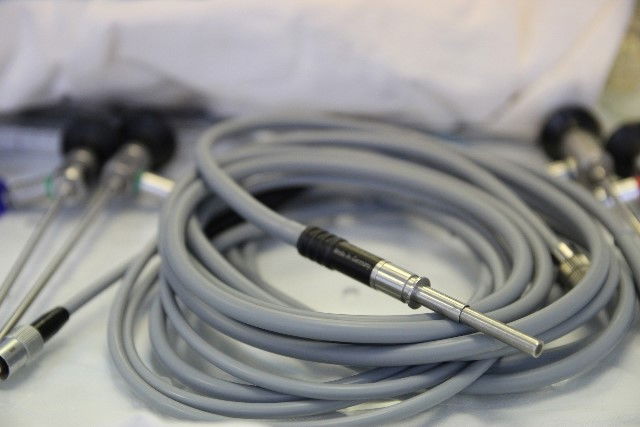
During the procedure, the doctor inserts a flexible tube with a light and camera through the anus to examine the rectum and the lower part of the colon. The doctor may also perform a biopsy or remove abnormal tissue during the procedure, depending on what is found.
Because the exam usually does not require sedation, the person generally does not need to stay in the hospital and can return to normal activities soon afterward.
Possible risks
Flexible sigmoidoscopy is generally a safe procedure. However, as with any invasive test, there is a small risk of complications, including anal bleeding (especially if a biopsy is taken), infection, or localized pain. In rare cases, intestinal perforation may occur.
It is important to tell the doctor about any symptoms that appear after flexible sigmoidoscopy so they can be evaluated and treated if needed.