


Eyelash extension is a cosmetic technique designed to enhance lash volume, helping fill in gaps and reduce the need for makeup to define the eyes. It is a popular option for people seeking a fuller, more defined lash appearance without daily mascara use.
This procedure can be safely repeated over time when performed correctly and without damaging the natural lashes. Proper technique and professional application are essential to maintain lash health.
To ensure safe and effective results, the procedure should always be done by a trained and experienced professional. It is also important to monitor for signs such as redness or discharge and follow the recommended maintenance schedule.
Main uses
Individual lash extensions can be used to:
-
Increase lash volume
-
Darken the lashes, improving eye definition
-
Fill in gaps
-
Reduce the need for mascara
To maintain results, touch-ups are typically required every 2 weeks or once a month.
The procedure should always be performed by a certified professional and stopped immediately if any discomfort occurs.
Application technique
The eyelash extension procedure usually takes about 1 to 2 hours, depending on the desired result and the condition of the natural lashes. It generally involves the following steps:
1. Cleaning the lash area
The client keeps their eyes closed while the professional cleans the eyelid area using mild soap and warm water.
The area is cleaned using cotton pads, gently wiping the eyelids, lash line, and under-eye area without rubbing the skin.
2. Applying an under-eye patch
A paper support (patch) is placed under the lashes to separate the lower lashes from the upper ones and improve visibility.
The professional applies the patch to the lower eye area, isolating the lower lashes and removing it gently at the end of the procedure without pulling out any lashes.
3. Individual lash application
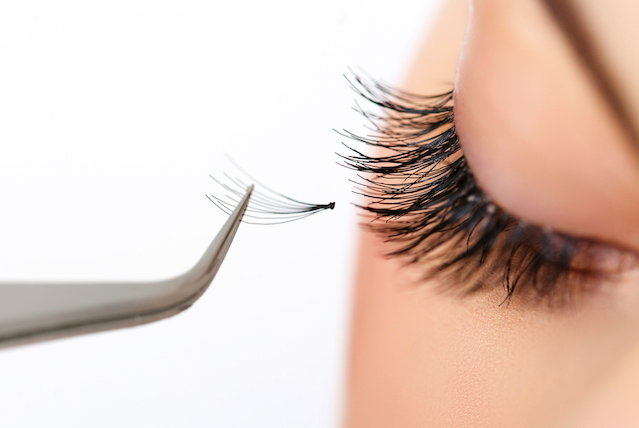
Using tweezers, the professional separates each natural lash and applies a synthetic lash one by one.
These false lashes are usually made from synthetic fibers marketed as silk or mink, which differ in price, feel, and durability.
4. Attaching each synthetic lash
A specialized lash adhesive is used to attach each extension. Extensions can be applied across the entire lash line or only in areas with noticeable gaps to create a fuller, more defined look.
According to the American Academy of Ophthalmology, it is important to ask for the glue’s ingredient list, check for possible allergens, and request a spot test before the adhesive is applied near the eyes.
Lash maintenance
After the initial application, maintenance sessions are needed every 2 to 4 weeks, depending on how quickly natural lashes grow and the type of extensions used.
If you choose not to maintain the extensions, it is best to skip touch-ups and allow the synthetic lashes to shed naturally as your lashes renew.
Extensions can also be removed at home using sweet almond oil and cotton. Apply the oil gently to the lash line for about 5 minutes, avoiding pulling or rubbing.
How long do eyelash extensions last?
The longevity of eyelash extensions varies from person to person and depends on the natural lash growth cycle.
For best results, maintenance every 2 to 4 weeks is recommended.
Care tips
After getting extensions, the following care tips can help prolong their durability:
-
Avoid using mascara, especially waterproof formulas
-
Do not wet the lashes for 12 to 24 hours after application
-
Avoid oil-based products around the eyes
-
Do not use makeup removers on the lash area
-
Avoid rubbing your eyes or lashes
When applied correctly by a trained professional, eyelash extensions do not damage natural lashes. They are a good option for people with short or weak lashes or for those who want a more defined eye look.
Possible risks
According to the American Academy of Ophthalmology, eyelash extension adhesives may trigger allergic reactions and irritation. Symptoms such as redness, itching, discharge, or pain should be evaluated promptly by an ophthalmologist.
Also recommended: Why are my eyelashes falling out? tuasaude.com/en/doctor-says/why-are-my-eyelashes-falling-out