


Exercise for seniors, such as strength training, walking, water aerobics, or pilates, helps increase muscle mass, maintain bone density, and improve heart and lung health.
It also boosts balance, coordination, and mobility, which lowers the risk of falls and supports independence in daily life.
These activities should always be done with guidance from a fitness professional or physical therapist to prevent injuries. Seniors should also consult a cardiologist to check overall and cardiovascular health before starting a program.
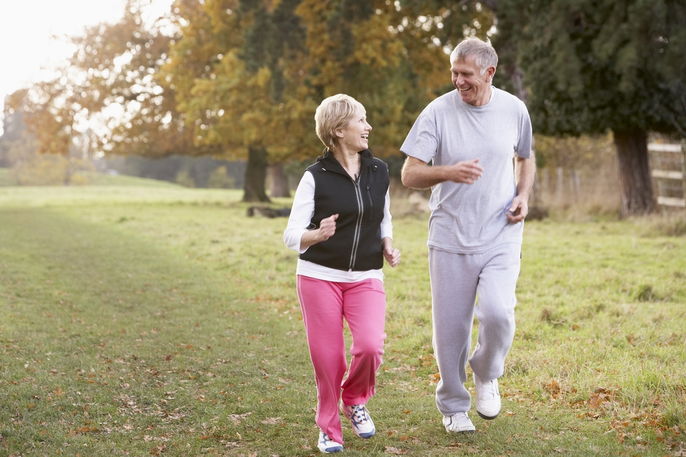
Benefits of exercise for seniors
The main benefits of exercise for seniors include:
-
Increasing muscle mass and strength
-
Improving balance and coordination
-
Reducing the risk of falls
-
Increasing bone density
-
Relieving anxiety and depression
-
Lowering the risk of dementia, including Alzheimer’s disease
-
Preventing weight gain
-
Reducing the risk of cancer
-
Strengthening the immune system
-
Improving sleep quality
-
Reducing social isolation
-
Boosting self-esteem, confidence, and self-acceptance
Regular physical activity also helps reduce the risk of heart and metabolic diseases, such as atherosclerosis, high blood pressure, heart attack, stroke, and type 2 diabetes. It improves overall conditioning, increases mobility, eases pain, and promotes general well-being.
12 exercises for seniors
Some specific examples of exercises that seniors can perform include:
1. Walking
Walking is an aerobic exercise that improves blood circulation and breathing while strengthening muscles and joints.
It helps control weight, lifts mood, and reduces anxiety and depression. The recommendation is to walk at least 30 minutes, five times per week, at a brisk pace.
Seniors who are just starting out should begin at a slower pace according to their abilities and gradually increase the intensity.
2. Water aerobics
Water aerobics is a great form of exercise for seniors because it strengthens muscles, improves balance and coordination, and supports cardiovascular and respiratory health.
It provides a full-body workout without joint impact, making it easier on the body.
Practiced in groups, it also promotes social interaction, reduces anxiety, and prevents isolation.
3. Swimming
Swimming helps stretch and strengthen muscles and joints without causing strain, since it has no impact on the joints.
It can relieve arthritis pain, prevent bone loss, and lower the risk of conditions like high blood pressure and diabetes.
4. Pilates
Pilates is a low-impact exercise for seniors that improves circulation, flexibility, balance, strength, breathing, and concentration. It also enhances mobility and coordination.
It can also improve posture and reduce stress, making it a valuable option for older adults.
Also recommended: 9 Exercises to Improve Posture tuasaude.com/en/exercises-to-improve-posture5. Strength training
Strength training helps seniors build muscle, maintain bone mass, lower the risk of osteoporosis and sarcopenia, and improve balance and coordination.
It supports mobility, flexibility, prevents weight gain and belly fat, and reduces the risk of diabetes and heart disease.
Ideally, seniors should practice strength training or other resistance exercises at least twice a week, with professional guidance, alternating with aerobic activities.
6. Stretching
Stretching exercises improve flexibility, posture, and circulation, while increasing range of motion for daily tasks.
They also reduce stiffness in joints and muscles and help prevent injuries.
7. Yoga
Yoga combines strength and balance exercises that improve posture, stability, flexibility, and muscle tone while relaxing the joints.
It also promotes relaxation, boosts well-being, and increases energy for daily activities. Read more about the benefits of yoga and how it is performed.
8. Resistance band exercises
Resistance band exercises build strength, increase flexibility, and improve balance.
Examples include lateral raises, standing reverse fly, and bicep curls with bands. These should be performed with guidance from a fitness professional.
9. Cycling
Cycling strengthens muscles, helps with weight management, improves cardiorespiratory health, and boosts balance.
It also improves sleep quality and reduces anxiety and depression.
Cycling can be done outdoors or on a stationary bike in spinning or indoor cycling classes.
10. Zumba
Zumba is a dance-based exercise for seniors that builds cardiovascular endurance, tones muscles, and improves coordination.
It also encourages social interaction, enhances mood and energy, and promotes independence in daily life.
11. Tai Chi
Tai Chi helps improve balance, coordination, concentration, and flexibility, lowering the risk of falls and fractures.
It uses slow movements and controlled breathing to reduce stress and anxiety and increase well-being.
There are no contraindications for Tai Chi, although seniors with heart disease should consult a cardiologist before starting.
12. Step
Step exercises involve stepping up and down from a platform or stair, strengthening leg muscles, improving coordination, and reducing fall risk.
This exercise can be practiced in group classes, using a step machine, or at home on stairs.
At home, place one foot on a step, lift the other leg slowly to join it, then lower it back down. Repeat 10 times with each leg.
13. Kegel exercises
Kegel exercises strengthen the pelvic floor muscles, helping prevent or manage urinary incontinence.
They can be performed sitting, standing, or lying down, though starting in a lying position is easier. Professional guidance is recommended.
These exercises can be done at any time of day.
How to start physical activity
Seniors should start with low-impact activities like walking, ballroom dancing, or water aerobics to avoid muscle injuries and joint strain.
A cardiologist should be consulted before beginning to check overall and cardiovascular health.
Exercise programs should be designed by a fitness professional or physical therapist to ensure a personalized plan.
Training program for seniors
An example of a training program for seniors includes:
-
Warm-up: 10 minutes of light walking, climbing stairs, swimming, cycling, or daily tasks such as gardening or dancing
-
Breathing exercises: performed throughout the workout, between activities
-
Stretching: to improve flexibility in arms, legs, and torso
-
Balance and coordination training: walking on tiptoes and heels, walking forward, backward, and sideways, stepping over obstacles
-
Agility training: walking at a faster pace or performing short bursts of quicker movements
-
Strength training: using dumbbells or ankle weights
-
Relaxation: cooling down and resting
All exercises should be adapted to each individual and, ideally, performed in groups or pairs for motivation and consistency.