


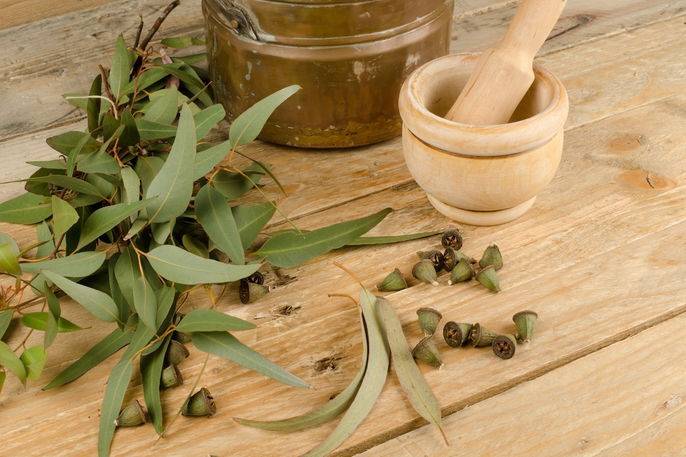
Eucalyptus tea is made from the leaves of Eucalyptus globulus and is rich in natural compounds like tannins, flavonoids, and essential oils. These substances give it antiseptic, anti-inflammatory, and antimicrobial properties that can support respiratory health.
Drinking eucalyptus tea may help relieve cold and flu symptoms, ease cough, and improve breathing. It also contains antioxidants that support the immune system and may help protect against infections.
In addition to its effects on the respiratory tract, eucalyptus tea has potential benefits for oral health, skin care, and even blood sugar management. Learning how to prepare it correctly and knowing its possible side effects is essential for safe use.
Health benefits
Eucalyptus tea can offer many health benefits, including:
1. Treating a wet cough
Eucalyptus tea contains substances, like flavonoids, triterpenes, tannins and phenolic acids that are derivatives of cinnamic acid and phloroglucinol. These help to fight respiratory infections and thin our bronchial secretions. They help to eliminate phlegm and help to treat wet coughs from colds, flu, sinusitis, adenitis, tonsillitis, asthma or bronchitis.
Check out other home remedies for a cough that you can prepare at home.
2. Relieving inflammation
Eucalyptus leaves contain volatile oils, like cineol and terpineol, which contain anti-inflammatory and analgesic properties. They can help to treat respiratory infections, relieve general malaise and reduce respiratory tract swelling, making this tea a great option for treating colds and flus.
3. Improving breathing
Eucalyptus tea contains cineol, a substance that helps to treat respiratory infections like colds, flu and sinusitis. It can also help to relieve congestion in the airways, and can therefore be used to improve breathing, unobstruct airways and open up a stuffy nose.
4. Improving immunity
The volatile oils in eucalyptus oil help to stimulate immunity and improve defense cell functioning, particularly white blood cells like monocytes and macrophages. These oils help to increase the body's capacity to combat infections.
Eucalyptus tea can also help to reduce the intensity of respiratory infection symptoms. Learn about other immune system boosters that you can consume when treating an infection.
5. Treating infections
The volatile oils in eucalyptus tea contain antimicrobial action against bacterial like Escherichia coli, Staphylococcus aureus and Streptococcus agalactiae. Thee are responsible for causing illnesses like gastroenteritis and UTIs. To use eucalyptus tea to treat these condition, you should consult a registered dietitian or medicinal plant specialist.
6. Managing bad breath
Eucalyptus tea contains antibacterial and antiseptic action, due to the eucalyptol and macrocarpal C in its composition. These substances help to eliminate bacteria in the mouth that may be contributing to foul breath or gingivitis. It is a great option that can be used as a mouth gargle.
7. Complement diabetes treatment
Some scientific studies suggest that drinking eucalyptus tea as part of a healthy, low-carbohydrate diet may help regulate blood sugar levels in people with diabetes. This potential benefit is linked to the plant’s antioxidants, which have anti-diabetic properties.
However, more research is needed to confirm the effects of eucalyptus tea on diabetes management.
8. Improving skin health
Eucalyptus tea can also be applied as a compress on the face and body, and may help improve dry skin. The leaves of this plant stimulate the production of ceramides, which are essential for maintaining the skin’s protective barrier and retaining moisture.
How to make eucalyptus tea
Eucalyptus tea is often used to relieve symptoms of a cold or flu. It can also help to eliminate lung secretions that can start to build up with bronchitis.
Ingredients:
- 1 tablespoon of eucalyptus leaves, chopped
- 150 mL of water
How to prepare:
Boil the water in a pot, then remove from heat. Then add the eucalyptus leaves, cover and steep for 5 minutes. Then strain and drink 1 cup of tea, 2 to 3 times per day.
This tea can also be inhaled or used a mouth wash, with both methods prepared with fresh eucalyptus leaves.
Possible side effects
The most common side effects from eucalyptus tea include nausea, vomiting, diarrhea, difficulty breathing, dizziness, shortness of breath, tachycardia, drowsiness or hyperactivity. These types of effects are common in people with a hypersensitivity to eucalyptus, and therefore should be avoided.
Eucalyptus tea can also increase liver action, which can reduce the effect of some medications. Therefore, people who take daily medications should speak to their doctor before consuming eucalyptus tea.
Contraindications for use
Eucalyptus tea should not be used by anyone with an allergy to this plant, nor should it be used by pregnant women, or patients with gallbladder or liver disease.
Eucalyptus inhalations should not be attempted by children under 12 years of age, as it can trigger allergies and shortness of air. Eucalyptus mixtures should not be applied to the skin in babies, especially the nose, as it can also cause irritation.