


Erythrocytes are blood cells responsible for transporting oxygen from the lungs to the rest of the body. They also help maintain pH balance and transport carbon dioxide to the lungs for elimination.
The normal erythrocyte values, also known as red blood cells or hematocytes, are generally 5 million/µL in men and 4.3 million/µL in women on average.
Erythrocyte levels can be elevated in conditions such as polycythemia vera, dehydration, heart diseases, or sleep apnea, for instance. On the other hand, low erythrocyte levels may indicate issues like anemia, malnutrition, pregnancy, or kidney failure.
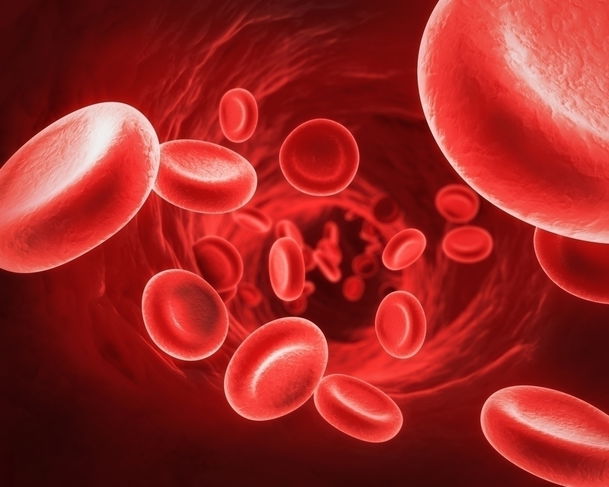
Erythrocyte levels
The main abnormalities related to erythrocytes are:
1. High erythrocytes levels
Erythrocytes are considered high when blood test values exceed 5.5 million/µL in men and 4.8 million/µL in women. This condition is known as polycythemia or erythrocytosis.
Elevated erythrocytes can indicate conditions such as:
-
Polycythemia vera
-
Dehydration
-
Heart or lung diseases
-
Sleep apnea
-
Anabolic steroid use
People living at high altitudes may also have elevated erythrocyte values.
Low erythrocytes
Erythrocytes are considered low when the values fall below 4.5 million/µL in men and 3.8 million/µL in women.
Some conditions that can reduce erythrocytes include:
-
Anemia
-
Leukemia
-
Malnutrition
-
Multiple myeloma
-
Kidney failure
-
Blood loss due to injury or other problems
Excessive alcohol consumption and pregnancy may also be associated with low erythrocyte levels.
3. Erythrocytes in urine
The presence of erythrocytes in the urine is called hematuria. It can be linked to issues such as urinary tract infections, kidney, bladder, or urethra stones, or an enlarged prostate.
Additionally, elevated erythrocytes in the urine can appear during menstruation, due to smoking, or from medications such as anticoagulants, NSAIDs, and certain antibiotics.
Normal erythrocyte values
The normal reference range for erythrocytes in a blood test is 4.5 to 5.5 million/µL in men. 3.8 to 4.8 million/µL in women
Functions of erythrocytes
Erythrocytes have several essential functions:
-
Transporting oxygen from the lungs to tissues throughout the body
-
Helping to balance the blood’s pH
-
Carrying carbon dioxide from the tissues to the lungs for elimination
Erythrocytes contain hemoglobin, an iron-rich protein responsible for carrying oxygen within the red blood cells.