


- Enthesopathy is inflammation where a tendon attaches to bone and commonly causes joint pain, stiffness, swelling, and warmth, especially in the Achilles tendon, knee, hip, or spine.
- It may be triggered by repetitive stress, sports injuries, or inflammatory conditions like rheumatoid arthritis, psoriatic arthritis, ankylosing spondylitis, or gout.
- Seek medical care if pain is severe, worsening, affects multiple joints, or limits movement despite rest and over-the-counter anti-inflammatory treatment.
Enthesopathy is inflammation of the area where a tendon attaches to a bone, known as the enthesis. It can cause pain at the affected site, joint stiffness, and a feeling of warmth in the area.
Enthesopathy most often affects the Achilles tendon, but it can develop in other parts of the body, such as the hip, knee, or spine. It may be linked to conditions like rheumatoid arthritis, psoriatic arthritis, or gout.
Treatment for enthesopathy, also known as enthesitis, is typically directed by an orthopedic surgeon or rheumatologist. Depending on the severity of the condition, management may involve medication, physical therapy, or sometimes surgery.
Main symptoms
The main symptoms of enthesopathy are:
-
Joint swelling and stiffness;
-
Tenderness in the affected area;
-
Localized pain;
-
Increased warmth at the site.
These symptoms are linked to reduced movement in the affected joint. The Achilles tendon is one of the most commonly involved sites, a condition known as calcaneal enthesopathy.
However, enthesitis can occur anywhere a tendon attaches to bone, including the spine, shoulder, elbow, wrist, knee, or hip.
Over time, enthesopathy may cause calcium deposits and new bone formation at the tendon attachment site, leading to growths such as bone spurs.
What does the pain feel like?
Pain from enthesopathy can vary in intensity. It may cause mild discomfort or be severe enough to limit or prevent movement of the affected joint.
Confirming a diagnosis
Enthesopathy is diagnosed by an orthopedic surgeon, rheumatologist, or primary care provider. Diagnosis is based on a review of symptoms, medical history, and a physical exam of the affected area.
Imaging tests such as X-rays, ultrasound, or magnetic resonance imaging (MRI) may be used to evaluate the joints and surrounding soft tissues. According to the Radiological Society of North America (RSNA), MRI is especially useful for assessing soft tissue and tendon involvement.
Possible causes
The main causes of enthesopathy include:
-
Repetitive joint stress, especially in athletes;
-
Trauma or injury during physical activity;
-
Ankylosing spondylitis;
-
Gout.
When enthesopathy is caused by an autoimmune condition, it often affects more than one joint.
Main types
The main types of enthesopathy include:
1. Quadriceps enthesopathy
Quadriceps enthesopathy, also called patellar enthesopathy of the knee, affects the area where the quadriceps tendon connects to bone. It can cause knee pain, stiffness, and swelling.
This type may result from activities such as running or weightlifting, inflammatory diseases like ankylosing spondylitis or psoriatic arthritis, or direct impact to the knee.
2. Lumbar enthesopathy
Lumbar enthesopathy affects the lower spine and may cause low back pain and stiffness.
It may be related to autoimmune diseases, genetic predisposition, or age-related degeneration of the enthesis, which naturally occurs over time.
3. Hip enthesopathy
Hip enthesopathy commonly involves the gluteal tendons. It can cause pain in the buttocks and limit hip movement.
This condition is more frequent in athletes and in people who sit for long periods.
4. Calcaneal enthesopathy
Calcaneal enthesopathy, also known as calcaneal enthesitis, affects the Achilles tendon at the heel. It typically causes heel or foot pain, especially when putting weight on the foot.
Treatment options
Treatment for enthesopathy should be managed by a qualified healthcare professional, such as an orthopedic surgeon, rheumatologist, or primary care provider. The goal is to reduce inflammation, relieve pain, and restore joint function.
The main treatment options include:
1. Rest
For people who regularly engage in physical activity, reducing or temporarily stopping activity may be recommended to allow the joint to recover. This can help decrease pain and inflammation.
Low-impact activities such as swimming may still be encouraged. Rest should follow medical guidance, as prolonged inactivity can lead to muscle weakness.
2. Cold compresses
Applying cold compresses to the affected area can help reduce inflammation and relieve pain.
Ice can be placed in a cold pack, wrapped in a clean towel, and applied to the area for 15 to 20 minutes, three to four times daily.
3. Medications
Nonsteroidal anti-inflammatory drugs (NSAIDs), such as ibuprofen, are commonly used to reduce pain and inflammation.
These medications should be taken as directed by a healthcare provider, typically for 7 to 10 days, along with rest and cold compresses.
In some cases, a corticosteroid injection (cortisone shot) may be given directly into the affected tendon to reduce inflammation.
If enthesopathy is associated with an autoimmune condition, additional medications specific to that disease may be prescribed.
4. Physical therapy
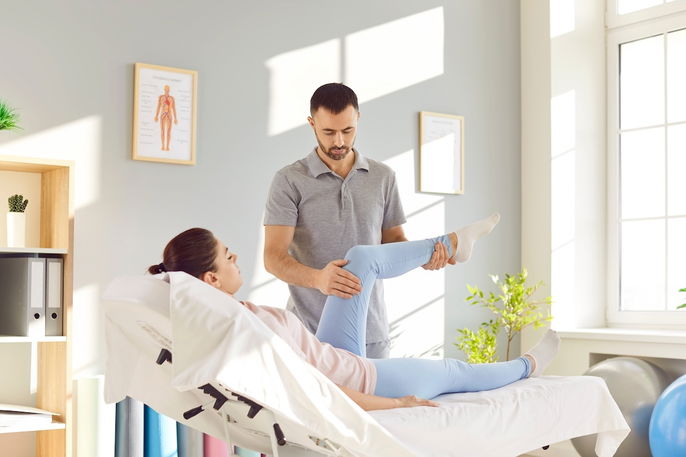
Physical therapy is an important part of treatment and should be supervised by a licensed physical therapist. Stretching and strengthening exercises can help relieve pain and improve joint mobility.
Therapeutic modalities such as ultrasound therapy, extracorporeal shock wave therapy, laser therapy, or iontophoresis may also be used to decrease inflammation, reduce pain, and support tendon healing.
5. Barbotage
Barbotage is a medical procedure mainly recommended for calcified enthesopathy.
It involves injecting and aspirating a saline solution into the affected tendon under real-time ultrasound or fluoroscopic guidance. This technique may help break down calcifications and reduce inflammation.
6. Platelet-rich plasma
Platelet-rich plasma (PRP) is prepared from the patient’s own blood and processed in a laboratory. It is then injected into the affected tendon to promote healing.
PRP treatment is typically performed in a clinical or hospital setting.
7. Surgery
Surgery is generally reserved for more severe cases when conservative treatments have not successfully relieved symptoms.