


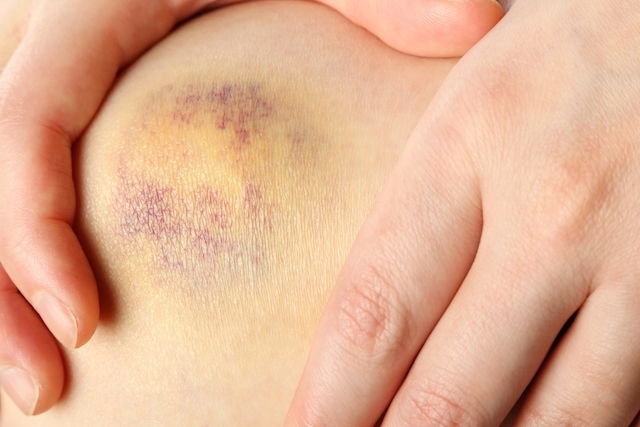
Ecchymosis is the medical term for a purple patch on the skin, typically caused by blood leaking from vessels into the surrounding tissue. Consequently, this condition is a common occurrence following physical trauma, bruises, or as a side effect of certain medications.
An ecchymosis generally lasts anywhere from one to three weeks, during which time the mark is expected to shift in color from purple to a greenish-yellow hue. While specific treatment is rarely required, you should consult a primary care physician or hematologist if these spots appear frequently without a clear cause.
Diagnosing the underlying reason for ecchymosis relies on blood tests, including a complete blood count and an assessment of platelet levels and coagulation factors. If a bone fracture is suspected, the doctor may also order imaging tests such as an X-ray or MRI to rule out structural damage.
Common causes
The most common causes of ecchymosis include:
1. Contusion
The primary cause of ecchymosis is a contusion or injury sustained during sports, domestic accidents, or work-related incidents. These injuries rupture superficial blood vessels, leading to the appearance of a bruise that can develop on any part of the body.
What to do: In most cases, the ecchymosis will fade on its own. However, if the area is painful, you can apply cold compresses or ice for the first 24 to 48 hours, followed by warm compresses, or take anti-inflammatory medication like ibuprofen.
2. Surgeries
Ecchymosis often appears during the recovery period following plastic surgeries, such as liposuction, tummy tucks, or rhinoplasty, due to mechanical trauma to the skin. It can also occur in any surgery requiring incisions that disrupt blood vessels and cause blood to leak into the skin.
What to do: For liposuction or tummy tucks, wearing compression garments or undergoing lymphatic drainage can reduce pressure on blood vessels and help prevent bruising. If the surgery was on the face, such as a rhinoplasty, sleep with your head elevated above heart level.
In these instances, you can also apply a cold compress to the area during the first 48 hours to constrict blood vessels, which helps reduce local bleeding and the extent of the bruising.
3. Bone fractures
When a bone breaks, the tissue surrounding the injury often tears, leading to ecchymosis near the fracture site. For example, a fracture at the base of the skull or facial bones can result in periorbital ecchymosis, a condition commonly known as "raccoon eyes."
What to do: It is crucial to seek immediate medical attention if a fracture is suspected so the area can be immobilized. To manage swelling and bleeding, elevate the limb and apply ice or a cold compress to control pain and limit the spread of the bruise.
4. Varicose veins
Ecchymosis can occur in people with varicose veins due to the increased fragility of the blood vessels. This is more common in older adults or due to risk factors such as prolonged standing, obesity, or pregnancy.
What to do: Wearing compression stockings can help prevent bruising. In more severe cases, medical treatments such as sclerotherapy (injections) or laser surgery may be necessary to treat the dilated veins. Read more about varicose vein treatment and the options available.
5. Use of medications
Certain anticoagulant medications, such as aspirin or warfarin, alter the time it takes for blood clots to form, which is essential for stopping bleeding. Consequently, bumps and minor injuries can lead to ecchymosis more frequently in people taking these drugs.
What to do: Apply a cold compress to the injured site to reduce bleeding and prevent the bruise from spreading.
If you are taking anticoagulants, it is important to maintain regular medical check-ups and blood tests to ensure your coagulation levels remain safe. Always inform your doctor if you notice frequent bruising or bruises that appear without a clear cause.
6. Low platelets
Platelets are essential for forming clots that stop bleeding. When platelet levels drop, a condition known as thrombocytopenia, ecchymosis can occur more easily. Read more about low platelets and what can cause them.
What to do: It is best to avoid strenuous activities or contact sports to prevent injury. If you have been diagnosed with thrombocytopenia, you must follow your doctor’s monitoring plan strictly to manage your platelet levels.
A diet rich in folic acid and vitamin B12 may also help reduce bruising, as these nutrients support the production of blood cells and platelets.
7. Hemophilia
Hemophilia is a rare disorder characterized by a deficiency in coagulation factors, which are necessary for clotting and stopping bleeding. This deficiency makes individuals significantly more prone to ecchymosis.
What to do: To prevent bruising, avoid situations that risk injury, such as high-impact physical activities. You should also avoid medications that thin the blood, such as aspirin or warfarin, and certain corticosteroids like dexamethasone or betamethasone, unless directed otherwise by a specialist.
Severe cases of hemophilia may require blood transfusions, so it is vital to see a hematologist regularly to manage the condition.
8. Leukemia
Leukemia involves a decrease in the production of healthy white blood cells by the bone marrow, which interferes with normal marrow function and platelet production. This disruption can lead to spontaneous bleeding and the appearance of ecchymosis.
Learn more about the signs of leukemia and complete our online symptoms quiz.
What to do: Unexplained bruising is a common symptom of leukemia. If you notice frequent bruises spread across your body without any apparent cause, such as bumps or falls, seek medical attention immediately to confirm a diagnosis and begin treatment, which typically involves chemotherapy.
9. Dengue
Dengue is a viral infection transmitted by the Aedes aegypti mosquito that can affect blood coagulation, potentially leading to ecchymosis.
What to do: In dengue cases, bruising is typically accompanied by other symptoms like body aches, high fever, headache, and pain behind the eyes, usually lasting about seven days.
If you suspect you have dengue, rest and consult a doctor for blood tests. Treatment focuses on hydration and managing symptoms with pain relievers like acetaminophen.
Difference between ecchymosis and a hematoma?
Ecchymosis is caused by the rupture of superficial blood vessels just beneath the skin.
In contrast, a hematoma results from the rupture of deeper vessels, potentially affecting muscles and deeper tissue layers.