


- Adopting an H. pylori diet with easily digestible foods like white rice and lean proteins helps reduce gastric irritation.
- Peeling and cooking fruits minimizes insoluble fiber intake to prevent stomach distress during the acute phase of infection.
- Avoiding gastric stimulants such as caffeine, spicy foods, and fatty meats prevents excessive acid secretion and reflux symptoms.
An effective H. pylori diet prioritizes low-residue foods that minimize gastric irritation and support the healing of the mucosal lining. By focusing on easily digestible options like cooked vegetables and lean proteins, this dietary approach helps manage pain and improves the effectiveness of medical therapy.
Key components of the H. pylori diet include peeling high-pectin fruits to reduce fiber intake and strictly avoiding gastric stimulants such as caffeine and spicy foods. These dietary adjustments are crucial during the acute phase of infection to prevent excessive acid secretion and the exacerbation of reflux symptoms.
Also recommended: H. Pylori: Symptoms (w/ Online Quiz), Treatment & Home Remedies tuasaude.com/en/h-pyloriClinical management typically involves a combination of antibiotics and proton pump inhibitors, often requiring careful spacing from calcium sources to ensure proper drug absorption. Immediate medical attention is required if complications arise, such as severe abdominal rigidity or signs of gastrointestinal bleeding like dark, tarry stools.
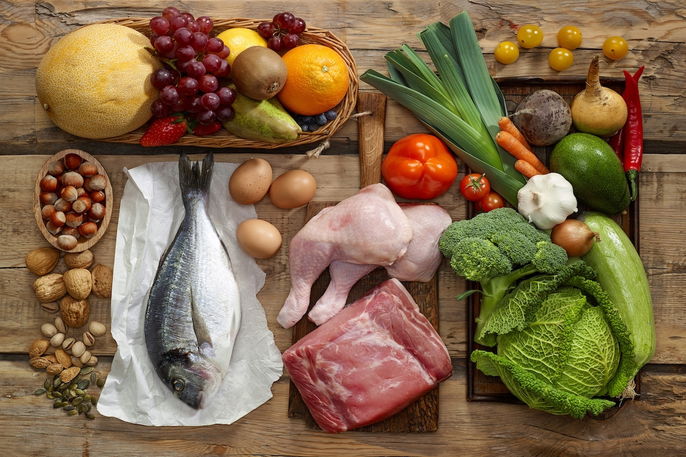
Foods to eat
Foods that help reduce symptoms and promote a speedy recovery when treating an H. pylori infection include:
1. Easily digestible carbohydrates
Typical clinical presentation includes discomfort and other gastritis symptoms when you have an H. pylori infection, which is why patients are advised to consume easily digestible grains, such as white rice, white bread, white pasta, crackers, corn or wheat starches. These are high in starch and low in fiber.
When treatment begins to take effect and the discomfort begins to subside, whole grain foods can be gradually incorporated back into the diet, according to the person's tolerance.
2. Fresh fruits and vegetables
To minimize gastric distress, patients are advised to follow a low-residue fruit protocol. High-pectin fruits, such as apples and pears, must be peeled and thermally processed (stewed or boiled) to break down insoluble fibers that exacerbate peristaltic pain.
The most recommended fruits to eat with H. pylori include peeled and/or cooked apples and pears, bananas, watermelon, melon and papaya.
3. High protein foods
Some high protein foods, such as white meat, fish, eggs, white or low-fat cheeses, and lean red meats tend to have a lower fat content. This type of protein is easier to digest because it is quickly broken down in the stomach, preventing the appearance of symptoms like heartburn.
Also recommended: 33 High Protein Foods (per 100 g) - Animal & Plant-Based Lists tuasaude.com/en/high-protein-foods4. Probiotics
Probiotics function as an adjunctive therapy by competing with H. pylori for adhesion sites on the gastric mucosa. Clinical evidence suggests that strains such as Lactobacillus and Bifidobacterium may reduce antibiotic-associated side effects and improve eradication rates.
Probiotics are present in foods such as yogurt and kefir, and can also be taken as supplements, in powder or capsule form.
See the list of probiotic foods that you can incorporate into your diet.
5. Omega-3 and omega-6
Omega-3 and omega-6 help to reduce stomach inflammation and prevent the growth of H. pylori, helping to treat the disease. These good fats can be found in foods like fish oil, olive oil, carrot seeds and grapefruit seed oil.
Learn more about foods with omega-3 that you can add to your H. pylori diet.
Foods to avoid
During treatment it is important to avoid eating foods that can irritate the stomach or that may stimulate the secretion of gastric juice, as well as foods that worsen side effects. It is important to avoid eating the following:
-
Caffeine: Caffeine acts as a potent stimulant of gastrin release, which increases hydrochloric acid secretion. Additionally, it lowers the pressure of the lower esophageal sphincter (LES), exacerbating reflux symptoms often co-occurring with gastritis.
-
Soft drinks and fizzy drinks: These distend the stomach and can cause pain and acid reflux.
-
Alcoholic beverages: These increase stomach inflammation.
-
Sour fruits: Lemon, orange, and pineapple can cause stomach pain and heartburn.
-
Pepper and spicy foods: Garlic, mustard, ketchup, mayonnaise, Worcester sauce, soy sauce, garlic sauce, and stock cubes.
-
Fatty meats, fried foods, and yellow cheeses: These are rich in fat, which makes digestion difficult and increases the time that food stays in the stomach.
-
Processed meats and canned foods: These contain preservatives and chemical additives that can irritate the stomach and intestine, increasing inflammation.
Adequate hydration is contraindicated during meals to prevent gastric distension, but essential between meals. Hydration Protocol: Patients should consume a minimum of 2.0L to 2.5L of water daily, spaced 30 minutes apart from solid food intake to optimize digestion.
Dietary guidelines
Medication interactions
Patients must be aware that calcium can bind to Tetracycline and Fluoroquinolone antibiotics, creating insoluble complexes that reduce drug absorption by up to 50%. Patients must space dairy products and calcium supplements 2 hours before or 4 hours after taking these antibiotics.
3-day meal plan
The following table outlines a sample of a 3-day meal plan that provides examples of what to eat when treating H. pylori:
The quantities included in this meal plan vary according to age, sex, physical activity and health history. Ideally, you should see a registered dietitian for a complete assessment and personalized meal plan that meets your health needs and goals.
During and after treatment, it is important to always wash fruits and vegetables well before consuming them, as H. pylori can be present in raw vegetables.
What to eat after treatment
Once discomfort and other symptoms resolve and the H. pylori bacteria are eradicated, food from your regular diet can gradually be reintroduced. Here is a sample meal plan of what to eat once treatment is completed and the infection has been cured:
The quantities and types of food in this meal plan can vary according to age, sex, physical activity and health history. You should ideally see a registered dietitian for a complete assessment and individualized meal plan.
Side effects from treatment
Treatment for H. pylori usually lasts about 7 days and involves the use of medication, specifically proton pump inhibitors (e.g. omeprazole and pantoprazole) and antibiotics (e.g. amoxicillin and clarithromycin). These are taken twice a day. Learn more about the most common symptoms of H. pylori and how it is treated.
Common side effects of H. pylori medication are:
1. Metallic taste in the mouth
This can happen early on in the treatment and can worsen over time. To help treat this problem, you can use plastic utensils to reduce metallic ion transfer and consume sugar-free lemon drops. This will help both neutralize the acids in the mouth and produce more saliva, which can get rid of the metallic taste.
2. Nausea and stomach pain
Nausea and stomach pain usually appear from the second day of treatment onwards. To prevent these symptoms from happening, it is important to drink plenty of water, rest, and eat easily digestible foods such as yogurt, white cheeses, and crackers.
Drinking ginger tea shortly after waking up and eating 1 slice of toast or 3 crackers, as well as avoiding large amounts of fluids in one sitting, are good ways of relieving morning sickness. Learn how to get rid of nausea naturally using tea recipes.
3. Diarrhea
Diarrhea usually appears after the third day of treatment, because antibiotics, in addition to eliminating H. pylori, also end up reducing the naturally-occurring intestinal flora, causing diarrhea.
Also recommended: How to Stop Diarrhea: 9 Easy & Effective Remedies tuasaude.com/en/how-to-stop-diarrheaEating 1 plain yogurt a day and easily digestible foods such as soups, purees, white rice, fish and white meats is a good way to stop diarrhea and restore the intestinal flora. See other home remedies for diarrhea to help relieve loose stools from antibiotic use.
When to seek emergency care
Seek immediate medical attention if you experience:
-
Hematemesis: Vomiting blood or 'coffee ground' material.
-
Melena: Black, tarry, foul-smelling stools.
-
Rigid abdomen: Severe, persistent stomach hardness indicating potential perforation.
The presence of any of these red flags constitutes a medical emergency requiring immediate evaluation at the nearest emergency department to rule out life-threatening complications.