


Dengue hemorrhagic fever is a serious complication of classic dengue fever that causes an exaggerated inflammatory reaction in the body and alterations in blood clotting that can result in potentially life-threatening bleeding or hemorrhage.
Dengue hemorrhagic fever more commonly affects people who are infected with dengue for the second time, and can be distinguished from other types of dengue by symptoms like bleeding gums, red spots on the skin, and vomiting. These typically develop around the third day of illness in addition to more classic symptoms of dengue like fatigue, eye pain, and fever.
While serious, dengue hemorrhagic fever can be cured when identified during the initial phase. Treatment primarily consists of IV hydration given in the hospital, where the individual can be monitored by the medical team for any potential complications.
Main symptoms
The main symptoms of dengue hemorrhagic fever include:
- Red spots on the skin;
- Bleeding gums, nosebleeds, intestinal bleeding, and bleeding from the mouth or ears;
- Persistent vomiting that may have blood in it;
- Severe abdominal pain;
- Cold, clammy skin;
- Dry mouth and constant thirst;
- Blood in the urine;
- Confusion;
- Red eyes;
- Difficulty breathing or rapid breathing;
- Changes in heart rate.
Initially, the symptoms of dengue hemorrhagic fever are the same as classic dengue symptoms, with more severe symptoms developing about 3 days into the illness.
While bleeding is characteristic of dengue hemorrhagic fever, it may not occur in all cases, which can make early diagnosis of the condition difficult and delay the start of treatment. This is why it is important to be seen at the hospital for any symptoms of dengue, regardless of the type.
Confirming a diagnosis
The diagnosis of dengue hemorrhagic fever is based on symptoms and can be confirmed on a blood test and a tourniquet test, which is done by inflating a blood pressure cuff or applying a tourniquet to the upper arm for 5 minutes. A positive result is one in which more than 20 red dots are observed in a 2.5 x 2.5 cm (1 in x 1 in) quadrant.
Other diagnostic exams may also be recommended to confirm the severity of the disease, such as a complete blood count (CBC) and coagulation profile.
Possible causes
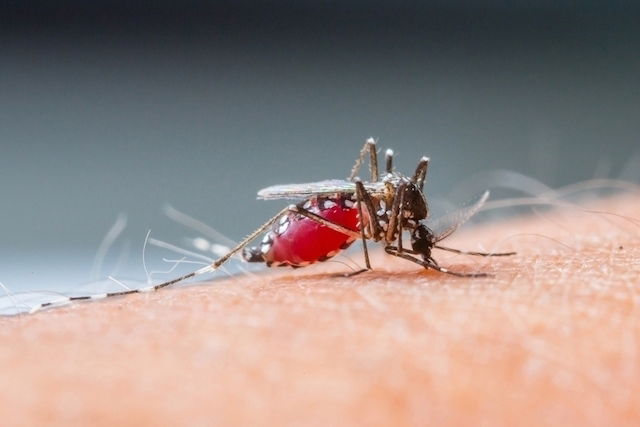
Dengue hemorrhagic fever is caused by the dengue virus, which is spread by the Aedes aegypti mosquito. In most cases of dengue hemorrhagic fever, the individual has already had dengue before, and develops more severe symptoms after becoming infected again.
However, some people who have never had dengue in the past can also present with this more severe form.
Taking certain medications that are not recommended for the treatment of dengue can result in the development of dengue hemorrhagic fever, as they can provoke bleeding and lead to complications.
Treatment options
Treatment of dengue hemorrhagic fever is typically managed in the hospital by an internal medicine or critical care doctor in consultation with an infectious disease specialist. IV hydration and monitoring of the patient are necessary in order to prevent complications involving the liver, heart, lungs, and blood in addition to dehydration.
It is important to start treatment of dengue hemorrhagic fever within the first 24 hours of symptoms, which may require oxygen therapy and blood transfusions.
It is recommended to avoid the use of medications containing acetylsalicylic acid (ASA, or aspirin) and anti-inflammatories like ibuprofen if there is any suspicion for dengue.
Also recommended: Dengue Treatment (Classic & Hemorrhagic) tuasaude.com/en/dengue-treatmentPrevention methods
The best form of prevention against dengue hemorrhagic fever is to get the dengue vaccine, which protects against the most common serotypes of the dengue virus and prevents the development of more serious symptoms of the disease.
To protect against dengue, whether classic or hemorrhagic, it is also important to prevent water from collecting in lids, tires, vases, or bottles. This is because mosquitoes are attracted to and breed in standing water.
Frequently asked questions
Find answers below to frequently asked questions about dengue hemorrhagic fever:
1. Is it contagious?
Dengue hemorrhagic fever is not contagious, meaning you cannot catch it from another person. The dengue virus is spread when a person is bitten by an Aedes aegypti mosquito infected with the virus. To prevent mosquito bites that could infect you with dengue, it is important to:
- Avoid areas with high rates of dengue;
- Use mosquito repellent daily;
- Light a citronella candle in each room of the house to keep mosquitoes away;
- Place mosquito nets in all of the windows and doors to prevent mosquitoes from entering the house;
- Eat foods high in vitamin K, which promotes normal blood clotting and can help prevent dengue hemorrhagic fever. These includes foods like broccoli, turnip greens, and lettuce;
- Follow all clinical guidelines for the prevention of dengue, including avoiding mosquito breeding grounds and preventing water from collecting in any area.
These strategies are important and should be followed by everyone in order to decrease the cases of dengue in any given area.
2. Is it deadly?
Dengue hemorrhagic fever is a very serious illness that should be treated in the hospital and may require treatment with IV medications and an oxygen mask in some cases. Dengue hemorrhagic fever that is not treated correctly and right away can lead to death.
Dengue hemorrhagic fever can be classified into 4 grades based on severity, with the least serious cases having the mildest symptoms. Bleeding may not even be detected in these cases, and diagnosis is made based on a positive tourniquet test. The most severe cases can lead to dengue shock syndrome, which increases the risk for death.
3. Can it happen the first time you get dengue?
While less common, dengue hemorrhagic fever can develop in people who have never had dengue before. This happens more often with babies.
In most cases, dengue hemorrhagic fever develops in people who have been infected by the dengue virus at least once before.
Although it is not exactly clear why, it appears that antibodies from a previous infection are able to bind to the dengue virus but are not able to neutralize it, instead allowing the virus to replicate more rapidly and cause serious changes in the body.
4. Can it be caused by taking the wrong medication?
Taking the wrong medication can also increase the risk for developing dengue hemorrhagic fever. Medications containing acetylsalicylic acid, such as aspirin, can cause bleeding and hemorrhage that can lead to complications.
5. Is there a cure?
Dengue hemorrhagic fever can be cured when it is identified and treated quickly, which means it is important to go to the hospital at the first sign of dengue symptoms, especially for severe abdominal pain and bleeding from the nose, ears, or mouth.
One of the first signs of dengue hemorrhagic fever is the development of purple spots on the skin with only minor trauma, or the appearance of a dark spot in the area where an injection was given or blood was drawn.