


Cutaneous vasculitis refers to a group of conditions that cause inflammation of the blood vessels, mainly affecting the small and medium vessels in the skin and underlying tissue. This inflammation can interfere with normal blood flow or damage the vessel walls.
As a result, blood circulation in these vessels may become reduced or blocked, or the vessel walls may weaken and dilate. These changes can lead to visible skin symptoms and, in some cases, tissue damage.
Because symptoms can worsen over time, early recognition and treatment are important. Proper management depends on identifying the underlying cause and addressing it appropriately.
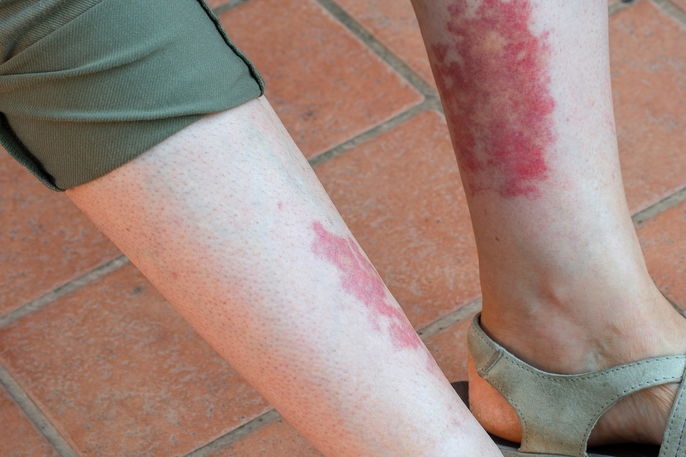
Main symptoms
The main symptoms of cutaneous vasculitis are:
-
Purple or red spots on the skin
-
Hives or intense itching
-
Tingling or loss of sensation in the affected area
-
Ulcers or open sores on the skin
-
Blisters, plaques, or red nodules on the skin
-
Small reddish dots on the skin, known as petechiae
-
Skin rash
According to the Vasculitis Foundation, the hallmark symptom of cutaneous small-vessel vasculitis is a skin rash with purple or reddish-brown spots that often appear on the legs, buttocks, and trunk.
When skin symptoms are part of systemic vasculitis, other symptoms may also appear, such as fever, malaise, body aches, fatigue, weight loss, and joint pain.
Confirming a diagnosis
Cutaneous vasculitis is usually diagnosed by a dermatologist, rheumatologist, or primary care provider based on a review of symptoms, medical history, and a physical exam.
Additional tests may sometimes be needed, such as blood and urine tests or a skin biopsy, to find the underlying cause and guide treatment.
According to the National Heart, Lung, and Blood Institute, a biopsy can help confirm vasculitis by allowing a pathologist to examine tissue for signs of blood vessel and tissue damage.
Possible causes
The exact cause of cutaneous vasculitis is not fully understood, but several factors may contribute to its development, including:
-
Bacterial infections, such as group B streptococci or syphilis
-
Viral infections, including HIV and hepatitis A, B, or C
-
Sjögren’s syndrome
-
Inflammatory bowel disease (such as Crohn’s disease)
-
Blood disorders, such as IgA monoclonal gammopathies, leukemia, or multiple myeloma
-
Kawasaki disease
-
Scleroderma
Cutaneous vasculitis may also occur as a side effect of certain medications, including beta-lactam antibiotics, diuretics, sulfonamides, and nonsteroidal anti-inflammatory drugs (NSAIDs).
Treatment options
Treatment for cutaneous vasculitis should be guided by a rheumatologist, dermatologist, or vascular medicine specialist, depending on the underlying cause.
Medications such as antihistamines and corticosteroids may be prescribed to help control symptoms. In more severe cases, immunosuppressants may be needed to reduce the immune system’s activity.
Supportive measures, such as resting with the legs elevated and wearing compression stockings, may also help improve symptoms and promote recovery.