


- This alternative therapy uses vacuum suction to increase blood flow and oxygenation, which helps alleviate muscle knots, joint pain, and localized swelling.
- Treatment sessions typically last between 5 and 15 minutes and can be performed using silicone, glass, or electronic cups depending on the desired intensity.
- While generally safe for relieving tension, this practice is not recommended for individuals with blood clotting disorders, uncontrolled high blood pressure, or active skin infections.
Cupping therapy is a form of alternative medicine where specialized cups are placed on the skin to create a vacuum. This suction helps increase blood flow to specific areas of the body to promote healing.
This technique offers several health benefits, including improved tissue oxygenation and the efficient removal of metabolic toxins. It is also commonly used to reduce localized swelling and minimize the visible appearance of cellulite.
Many athletes rely on cupping as a natural method to alleviate persistent muscle soreness and tension. The vacuum pressure lifts the skin away from the muscle, increasing circulation and providing a deep, relaxing effect.
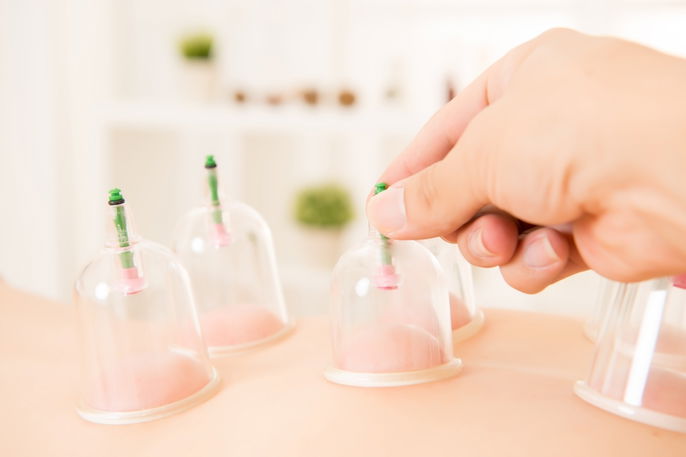
8 benefits of cupping therapy
The primary benefits associated with cupping therapy include:
-
Relief from muscle pain, particularly in the neck, shoulders, and back.
-
Increased localized blood circulation.
-
Elimination of muscle knots (contractures) and trigger points.
-
Strengthening of the blood vessels.
-
Stimulation of synovial fluid production within the joints.
-
Relaxation and calming of the body and mind.
-
Reduction of fluid retention, especially in the extremities like the arms, legs, and feet.
-
Alleviation of joint pain related to conditions such as rheumatoid arthritis, carpal tunnel syndrome, and knee issues.
Practitioners typically recommended for this treatment include those trained in Traditional Chinese Medicine, licensed acupuncturists, or physical therapists who specialize in acupuncture or myofascial decompression techniques.
In Traditional Chinese Medicine, cupping is frequently used alongside acupuncture to treat various health conditions. The goal is to balance the body's meridians and improve the flow of Qi, or vital energy.
Where to find treatment
Cupping therapy is increasingly available in the United States through holistic health centers, specialized physical therapy clinics, and acupuncture practices. While not typically covered by standard health insurance for all conditions, some integrative medicine programs may offer it as part of a comprehensive pain management plan.
Always ensure that you seek treatment from a licensed and certified professional to ensure safety and efficacy.
How the procedure is performed
During a cupping session, the practitioner leaves the target area exposed and applies a light oil or moisturizer. This allows the cups to glide smoothly across the skin during the treatment.
The practitioner then places the cups on the body. The three most common application methods include:
-
Silicone cups: The therapist squeezes the flexible cup before placing it on the skin. The resulting vacuum suctions the skin upward as the cup regains its shape.
-
Glass cups: A flame is briefly placed inside the glass cup to consume the oxygen and create a vacuum. The cup is then quickly applied to the skin to create suction.
-
Electronic cups: These devices are placed on the skin and a machine regulates the vacuum intensity. This allows for precise control over the amount of suction used.
Cupping can also be combined with other modalities, such as acupuncture (placing needles inside the cups), wet cupping (controlled medicinal bleeding), or the use of herbal liniments.
Treatment duration
A typical session lasts between 5 and 15 minutes. It can be performed as a one time treatment for acute back pain or as a series of up to eight weekly sessions for chronic issues.
If the suction is too intense or the cups are left stationary for too long, blood blisters may form. If this occurs, the treatment must be stopped immediately to prevent skin damage.
What to expect during and after treatment
The treatment is usually performed while you are lying comfortably on a massage table. The therapist may place several cups on a specific muscle knot or glide them across the entire back to treat larger areas.
Because cupping can sometimes increase skin laxity, it should not be the only method used to treat cellulite. For best results, it is often combined with firming creams and FDA cleared aesthetic treatments like radiofrequency therapy.
If treatment is performed during a menstrual cycle, some women may experience a slightly heavier flow afterward. Common side effects include circular purple marks at the treatment sites and occasionally darker colored urine for a short period.
Managing discomfort and bruising
High levels of suction can leave the treated area feeling tender for about five days. Redness or purple circular marks are a normal part of the process and often appear within the first few minutes of application.
To minimize these marks, the therapist can use lower pressure or keep the cups moving rather than leaving them in a static position.
Applying a warm compress or massaging the area with rosehip oil after the session is an excellent way to soothe the skin and help the marks fade faster.
When to avoid cupping therapy
Cupping therapy is not recommended for individuals with the following conditions:
-
Active thrombosis, thrombophlebitis, or blood clotting disorders.
-
Severe varicose veins.
-
Open wounds or skin infections.
-
Fever.
-
Bone fractures in the treatment area.
-
Uncontrolled high blood pressure.
Furthermore, pregnant women should avoid cupping therapy unless specifically cleared and supervised by their healthcare provider. Caution is also advised immediately after intense exercise or on areas where the bone is very close to the surface with little muscle covering.