


Condensed milk is made by removing part of the water from milk and adding a nutritive sweetener. It is available in several forms, such as whole, lactose-free, sugar-free, and reduced-fat versions.
This product is mainly used in desserts, fillings, and drinks because its creamy texture and rich flavor add both sweetness and body to recipes. It is a common ingredient in home cooking and commercial food preparation.
However, many types of condensed milk are high in added sugars and calories. For this reason, it should be consumed in moderation, especially by people with metabolic conditions such as diabetes, metabolic syndrome, or high cholesterol.
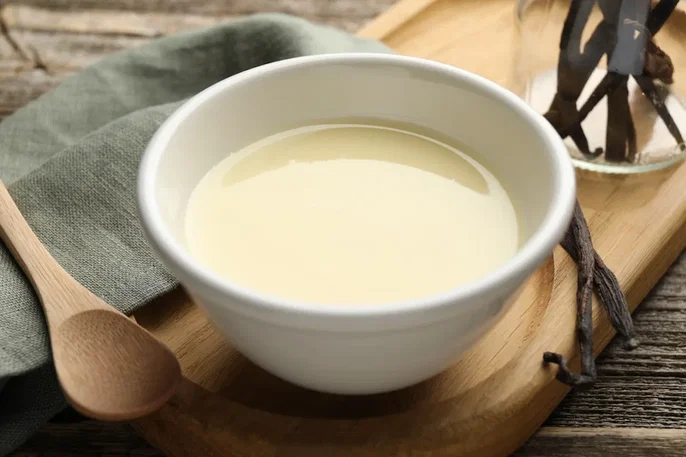
Different types
The main types of condensed milk include:
1. Whole condensed milk
Whole condensed milk is made with partially dehydrated whole milk and added sugar.
This type of condensed milk has a smooth, creamy texture and a very sweet taste.
2. Vegan condensed milk
Vegan condensed milk is a product that can be made from plant-based drinks, such as almond, coconut, soy, or oat beverages.
This type of product can be an alternative for people who follow a vegan diet, have a cow’s milk allergy, or have lactose intolerance.
3. Sugar-free condensed milk
Sugar-free (diet) condensed milk is made with sugar substitutes, such as sorbitol and sucralose, which can change its texture and sensory characteristics.
This product may be used by people who need to control their sugar intake.
4. Lactose-free condensed milk
Lactose-free condensed milk is made with milk treated with the enzyme lactase.
Because of this, this type of product can be used by people with lactose intolerance.
5. Reduced-fat condensed milk
Reduced-fat condensed milk is made with partially skimmed milk, which gives it a lower fat content than the whole or traditional version.
It may be an alternative for people who need to reduce fat and/or calories in their diet.
How to make at home
To make a version similar to condensed milk, you only need milk and sugar.
To make homemade condensed milk, follow these steps:
-
Place whole milk in a saucepan and heat it over medium heat.
-
Add sugar using an approximate ratio of 1 part sugar to 3 parts milk.
-
Stir constantly to keep it from sticking to the bottom of the pan.
-
Cook over low heat until the liquid reduces and thickens, taking on a light cream color.
-
Remove from the heat and let it cool before using.
During cooking, some of the water in the milk evaporates, and the sugar acts as a natural preservative, increasing the product’s thickness and stability.
It is important to note that the homemade version has a shorter shelf life than the industrial version because it does not go through pasteurization or aseptic packaging. Therefore, it should be kept refrigerated and consumed within a few days.
In addition, because it is high in sugar, even the homemade version should be consumed in moderation, especially by people with diabetes, people with overweight or obesity, or those with other metabolic conditions.
According to the Dietary Guidelines for Americans 2020-2025, added sugars should make up less than 10% of total daily calorie intake.
How to cook
The ways to cook condensed milk vary depending on the type of product.
1. Boxed condensed milk
To cook condensed milk from a carton, wrap the box tightly in aluminum foil, making about 6 layers and sealing the ends very well.
Then place the condensed milk and enough water in a pressure cooker to completely cover the carton. Close the cooker and cook over medium heat for 20 minutes after it begins to release steam.
Finally, let the pressure release naturally, carefully remove the carton of condensed milk, let it cool for about 2 hours, open the package, transfer the contents to a container with a lid, and store it in the refrigerator.
2. Canned condensed milk
To cook canned condensed milk in a pressure cooker, remove the label and any glue left from it.
Then place the can in the pressure cooker and cover it with water to about 2 inches above the can. Cover the cooker and cook over medium heat.
When the pressure cooker starts to whistle, let it cook for 20 minutes. Turn off the heat, let the pressure release naturally, carefully remove the can, let it cool for 2 hours, and then open it.
Nutrition facts
The table below shows the nutritional information for every 100 g of sweetened whole condensed milk:
The nutritional information of condensed milk can vary from brand to brand. According to the FDA and CDC, reading the Nutrition Facts label can help track sugars and other nutrients and support healthier food choices.
Due to its nutritional profile, condensed milk is best enjoyed occasionally as part of a balanced diet.
Main uses
Condensed milk is used to make sweets, adding texture, creaminess, and consistency. Because of this, it is widely used in recipes for pudding, mousse, caramel sauce, flan, key lime pie, and no-bake cheesecake.
Condensed milk can also be used as a topping or filling for cakes, drizzled over popcorn or pancakes, added to oatmeal, or stirred into coffee for extra sweetness and creaminess.
In addition, some people also use condensed milk on bread as a pre-workout snack to provide more energy during long and/or high-intensity workouts.
However, this type of snack should be eaten only under the guidance of a registered dietitian. Over time, its high content of carbohydrates with a high glycemic index may promote weight gain and increase the risk of developing or worsening conditions such as diabetes and fatty liver.
