


The coca plant (Erythroxylum coca) has been traditionally used in Andean cultures for both medicinal and cultural purposes. The coca leaf is rich in alkaloids, vitamins, and minerals, and is commonly used to help relieve fatigue, reduce discomfort from high altitude, ease dental pain, and improve digestion.
In the United States, the coca plant and its leaves are classified as a Schedule I controlled substance, meaning they are illegal to possess, import, or use. The following information is provided for educational and cultural purposes only.
However, in many countries, including the United States, raw coca leaves and their alkaloids are strictly regulated or prohibited. Because of this, it’s important to be aware of the legal, safety, and medical considerations related to its use.
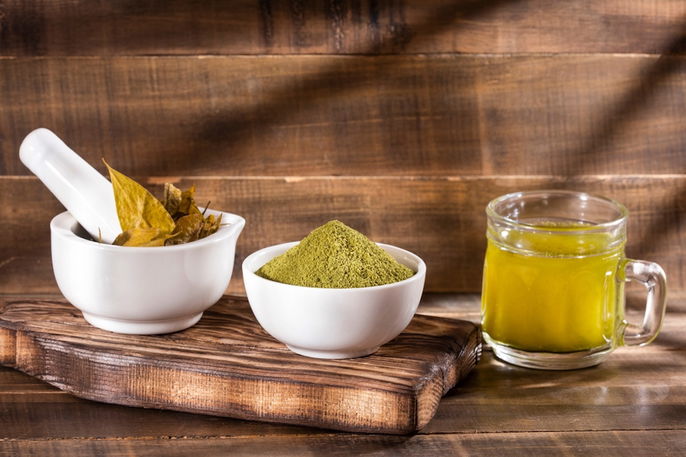
Uses and purported benefits
Some of the traditional benefits attributed to the coca plant include:
1. Increase in oxygen saturation and energy support
The coca plant is believed to help boost energy levels during physical exertion or in environments with low oxygen, such as at high altitudes. Its active compounds may help the body use fat instead of glucose for energy, improving oxygen efficiency.
2. Improved digestion
The coca plant is said to stimulate the production of gastric juices, which helps break down food and supports digestion.
3. Blood sugar and metabolic support
Coca leaves contain an alkaloid called ecgonine, which is thought to help lower blood sugar levels. This compound may aid in the metabolism of fats and carbohydrates, supporting glucose control in people with type 2 diabetes.
4. Bone health and reduced osteoporosis risk
Because the coca plant contains high levels of calcium and polyphenols, coca leaf powder may help stimulate bone remodeling and formation. This can be especially beneficial for postmenopausal women, who are at increased risk for osteoporosis. Traditional use suggests about 4 grams of powdered coca leaf (used in infusions) to support bone health.
Therapeutic properties
The coca plant is traditionally believed to have several therapeutic properties, including:
-
Stimulant
-
Analgesic (pain-relieving)
-
Antimicrobial
-
Antidiabetic
These effects are attributed to the presence of tropane alkaloids, which act on the central nervous system by blocking nerve impulse transmission and promoting the release of dopamine and adrenaline.
Nutritional information (per 100 g of leaf)
How to use (traditional methods)
The coca plant has several traditional uses, including:
1. Coca leaf tea (infusion)
Coca tea is a traditional beverage made from dried coca leaves. To prepare it, bring about 250 mL of water to a boil and remove from heat before adding one tablespoon of clean, dry coca leaves. Let the leaves steep for 5 to 10 minutes to release their active compounds. You can strain the tea before drinking and, if desired, add honey, sugar, or a slice of lemon for flavor.
2. Chewing (mastication)
Chewing coca leaves is one of the most common ways to consume the coca plant. A small amount of dried leaves is placed in the mouth and chewed slowly to release the active compounds. The wad of leaves can be kept in the mouth until the flavor or effects diminish, but it should not be swallowed.
3. Coca flour or powder
Coca flour is a fine powder made from dried and ground coca leaves. It can be used in small amounts (about 10 to 20% of the total flour) in baked goods such as cookies or cakes, adding nutrients like calcium, iron, B vitamins, and antioxidants.
4. Creams and ointments
Topical coca leaf creams or ointments are applied directly to clean skin and gently massaged until fully absorbed. They are used for muscle and joint pain, to reduce inflammation, and to improve circulation. These products are often sold in local markets, herbal stores, or online.
Side effects and risks
The side effects of using coca leaves mainly occur in the mouth. Continuous use can wear down tooth enamel, increasing the risk of cavities and periodontal diseases such as gingivitis.
Regular use of coca leaves may also lead to an increase in bacteria due to leaf residue remaining in the mouth. Maintaining good oral hygiene after use is recommended to avoid this unwanted effect.
The medicinal use of this plant does not cause physical addiction, but it may create a habit and, consequently, psychological or emotional dependence on its use.
Precautions and legal considerations
Caution is necessary when consuming this plant, as excessive use can be harmful to health. It is recommended not to exceed 10 grams of coca leaves per day, regardless of the method of consumption.
Because it contains alkaloids such as cocaine, using this plant may lead to positive results on drug screening tests. It is essential to verify the legality of medicinal coca leaf use in your country, as it has historically been associated with cocaine consumption.
In the United States, the coca plant and its leaves are classified as a Schedule I controlled substance, meaning they are illegal to possess, import, or use.