


Chills are episodes of shivering and feeling cold that happen when the body’s muscles contract and relax rapidly to generate heat. They often occur at the start of an infection and may be accompanied by tremors, pale skin, or an overall sensation of cold.
Chills can appear with conditions such as fever, cold, flu, sore throat, or urinary tract infection. They may also be linked to more specific health problems, including hypothyroidism, hypoglycemia, or prostate changes.
Although chills are often a normal reflex to cold or infection, persistent or intense episodes may signal an underlying illness. Medical assessment is recommended when chills occur along with symptoms like fever, weakness, or shortness of breath.
What causes chills?
Chills are typically associated with the following conditions:
1. Fever
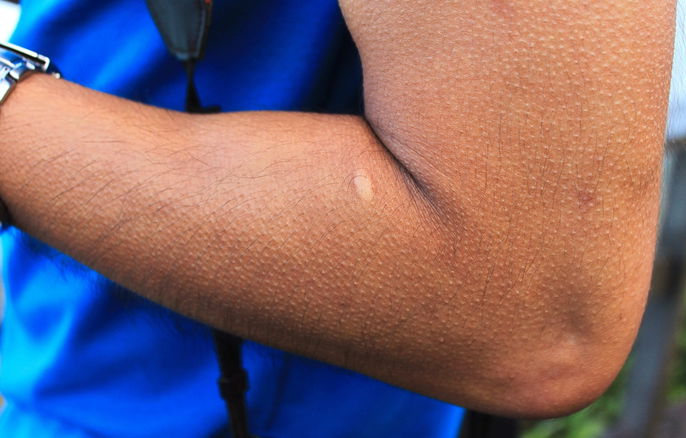
An increased body temperature can cause chills and goosebumps throughout the body. Fever can be triggered by strong emotions, especially in children and older adults, however it is normally a result of an infection or of too many clothing layers. Learn about what can cause fever in babies and how to treat it.
What to do: You should bathe in lukewarm water and avoid hot environments. You should also staying under hot blankets for too long if you have a fever. You can drink a raspberry leaf tea to lower your fever, but if it is not sufficient, you should take acetaminophen.
You are advised to follow-up with your doctor to determine what is causing your fever and chills.
2. Cold and flu
Being in a cold environment, either in cold weather or an air conditioned space with light clothing can make you feel cold and cause shivering. However, this same sensation can be caused by a cold or flu.
Symptoms that suggest that you have a viral infection include coughing, sneezing phlegm, runny nose, chest pain and shortness of breath. If your symptoms worsen and you have a high-grade fever, this may be a sign of a serious infection, like pneumonia, which requires medical attention and treatment.
What to do: If you are experiencing chills from a cold environment, be sure to bundle-up, but you can always check your temperature just to be sure. If you have a flu virus, you can take over-the-counter medication to manage symptoms. You should also consider resting as much as you can and increasing your water intake to ensure a rapid recovery.
Check-out our home remedies for treating a cold or flu naturally. If you have been diagnosed with pneumonia, you should take antibiotics as indicated by your doctor.
3. Throat infection
A sore throat with the presence of white or yellow spots in the throat may be a sign of a tonsil infection. This can cause chills, fever and general malaise.
What to do: Gargling with warm water and salt can help to cleanse the throat and eliminate bacteria. However, you should still see a doctor for assessment, as you may need to take antibiotics for treatment. Learn about the different ways you can treat your sore throat at home.
4. Urinary tract infection (UTI)
UTIs can cause symptoms like pain or burning with urination, cloudy urine or the appearance of debris in urine. General malaise, headache and high fever with chills can indicate that the UTI is worsening, which puts you at risk for bacteria migrating to the kidneys and causing pyelonephritis. Ensure you know the common signs of a UTI so that you can prevent this situation from happening.
What to do: You should see a doctor for assessment to determine whether medication is necessary for treatment of the UTI. Cranberry juice and increased fluid intake is one of many natural remedies you can use to complement your medical treatment.
5. Hypoglycemia
Decrease blood sugar levels can affect anyone, but is most commonly seen in diabetics. Other symptoms that can occur with hypoglycemia are cold sweats, dizziness, chills and general malaise. Normally, this decrease of energy occurs when you fast for longer than 3 hours, or when diabetics do not take their medication or manage their sugar levels or medication incorrectly.
Read more about the signs that are specific to gestational diabetes.
What to do: You should try increasing you sugar levels by consuming a carbohydrate. You can drink a cup of fresh orange juice or eat a piece of toast with butter. You should not eat chocolate, pudding or other sweet foods so that your sugar levels do not fluctuate too much.
6. Prostate changes
Men with enlarged prostates can experience symptoms like pain with urination, decreased urine flow, lower back pain, chills, and testicular pain. Read more about the symptoms of an enlarged prostate and complete our online symptom checker to assess your risk for this condition.
What to do: You should see a doctor for assessment and testing to determine whether there are any prostate changes. Treatment may involve the use of medication or surgery in more serious cases.
7. Hypothyroidism
Decreased thyroid function, or hypothyroidism, can cause symptoms like decreased mood, fatigue, chills, decreased concentration, memory loss and weight gain. Learn more about other symptoms associated with hypothyroidism and what can cause it.
What to do: You should see your doctor to have you symptoms assessed. He or she may order bloodwork to check your TSH, T3 or T4 levels, as well as an ultrasound to visualize the thyroid and assess for any nodules or changes. Treatment usually involves use of medications as prescribed by the doctor.
In addition to these causes, there are many specific illnesses that can result in chills. Therefore a formal assessment by a doctor is necessary to identify what is causing this symptoms and to treat it as necessary.
When to see a doctor
If the chills are constant or persist for days, you should see a doctor to assess whether it is related to an illness and requires a specific treatment.