


Cacao benefits are linked to its high content of antioxidants and anti-inflammatory compounds, which may help support mood, circulation, blood sugar balance, and heart health. Regular intake of cacao has been associated with effects on metabolism, brain function, and inflammation control.
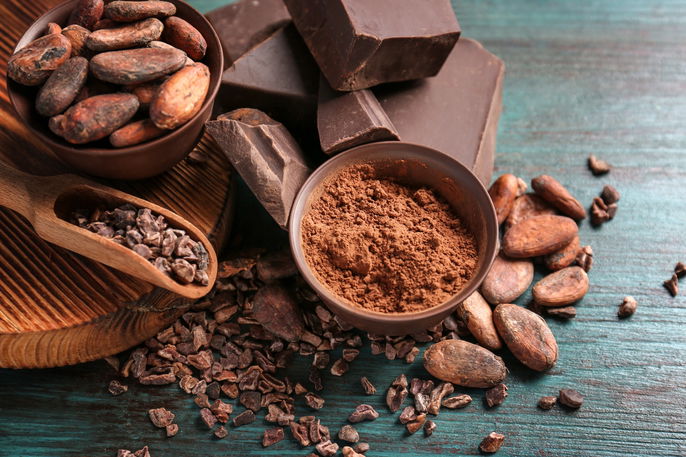
Cacao comes from the seeds of the cacao tree and is the main ingredient used to make chocolate. It is especially rich in flavonoids, such as epicatechins and catechins, which play an important role in many of the health effects associated with cacao.
To take advantage of these potential benefits, aim to include about 2 teaspoons of cacao powder or 40 grams of dark chocolate per day. This amount supplies beneficial compounds and can easily fit into a balanced diet.
Main benefits
The benefits of cacao include:
1. Boosting mood
Cacao contains theobromine, caffeine, phenylethylamine, and tyramine. Tyramine is a precursor to tryptophan, and tryptophan is a precursor to serotonin, a neurotransmitter involved in regulating mood, heart rate, sleep, and appetite.
For this reason, cacao may help enhance mood and reduce symptoms of depression and anxiety.
2. Preventing blood clots
Cacao may help reduce the risk of blood clots (thrombosis) by improving blood flow. This effect is likely linked to its flavonoid content.
3. Helping regulate cholesterol
Cacao contains antioxidants that may help regulate blood cholesterol levels. By doing so, it can reduce fat accumulation in blood vessels, which may lower the risk of plaque formation and cardiovascular disease.
4. Preventing anemia
Cacao is a source of iron, and regular intake may help prevent anemia. Iron is essential for making hemoglobin, the component of red blood cells that carries oxygen throughout the body.
5. Lowering the risk of diabetes
Some studies suggest that cacao may slow the digestion of carbohydrates in the intestines. It may also help protect the pancreatic cells that produce insulin and support healthy insulin secretion.
Additionally, cacao could help improve insulin sensitivity, which may in turn lower the risk of developing diabetes.
6. Preventing dementia
Cacao contains theobromine, a compound with vasodilating activity. This may support blood flow to the brain and may help reduce the risk of neurological diseases such as dementia and Alzheimer’s disease.
Cacao also contains selenium, a mineral that may support cognition and memory.
7. Regulating bowel function
Cacao contains flavonoids and catechins that reach the large intestine, where they may promote the growth of beneficial bacteria such as bifidobacteria and lactobacilli. This prebiotic effect can help support healthy bowel function.
8. Helping reduce inflammation
Because cacao is rich in antioxidants, it may help protect cells from damage caused by free radicals and reduce inflammation.
Some studies also suggest that consuming cacao may help reduce blood levels of C-reactive protein (CRP), a key marker of inflammation.
9. Helping with weight control
Cacao may support weight control by helping reduce fat absorption and fat synthesis. It may also increase feelings of fullness by helping regulate insulin, although this benefit is mainly linked to dark chocolate.
10. Lowering blood pressure
Cacao may help lower blood pressure by promoting healthier blood vessels, possibly through its influence on nitric oxide production, which helps blood vessels relax.
According to the American Heart Association, cocoa flavanols have been studied for their potential effects on blood pressure. However, the levels of flavanols used in some studies are higher than what is typically found in most commercially available dark chocolate.
11. Avoiding premature aging
Cacao’s flavonoids have antioxidant effects that may help neutralize free radicals generated by UV sun exposure. This may help reduce early skin aging, sagging, and the appearance of wrinkles.
12. Lowering the risk of cancer
Cacao contains polyphenols such as procyanidin, epicatechin, and catechin, which act as antioxidants. These compounds may help reduce free-radical oxidation, limiting abnormal cell growth and proliferation and potentially lowering the risk of cancer.
13. Helping control allergies
Some animal studies suggest cacao may help reduce allergic responses. This may occur because flavonoids may lower blood levels of immunoglobulin E and interleukins, which are involved in allergic reactions.
However, more studies are needed to confirm whether cacao has this benefit for allergies.
Nutrition facts
The table below shows nutritional information for 100 g of cacao powder.
Talk to a local registered dietitian to learn the best way to include cacao in your daily diet.
How to eat the cacao fruit
To eat cacao fruit, you first need to cut it open with a large knife, since its outer shell is quite hard. Inside, you’ll find a whitish cluster of seeds coated in a sweet, sticky pulp. You can suck the white pulp that surrounds each seed for its fruity flavor.
It’s also possible to chew the seeds, but the dark inner part is very bitter and tastes nothing like chocolate.
How chocolate is made
To turn cacao seeds into powder or chocolate, they must be harvested, sun-dried, then roasted and ground. The resulting mass is processed until cocoa butter is extracted.
This cocoa butter is mainly used to make milk chocolate and white chocolate. Pure cacao is used to make dark or semi-sweet chocolate.
Also recommended: Is Chocolate Good for You? 7 Health Benefits Plus Recipes tuasaude.com/en/is-chocolate-good-for-youHealthy recipes
Below are some healthier recipes you can make with cacao:
1. Healthy cacao and flaxseed brownies
Ingredients:
-
2 cups brown sugar;
-
1 cup flaxseed flour;
-
4 eggs;
-
6 tablespoons unsalted margarine;
-
1 ¼ cups cacao powder (150 g);
-
3 tablespoons whole wheat flour;
-
3 tablespoons all-purpose flour.
Directions:
Melt the margarine in a double boiler, add the cacao, and stir until smooth.
Beat the egg whites until stiff peaks form, add the yolks, and keep beating until the batter turns lighter in color. Add the sugar and beat until evenly mixed. Slowly fold in the cacao, flours, and flaxseed with a spatula until the batter is smooth.
Bake in a preheated oven at 230°C (446°F) for about 20 minutes. The top should look dry, while the inside stays moist.
2. Hot chocolate
Ingredients:
-
2 cups almond milk or another plant-based beverage of your choice;
-
2 tablespoons cacao powder;
-
1 tablespoon honey;
-
1 teaspoon vanilla extract;
-
1 teaspoon cinnamon.
Directions:
Heat the milk over medium heat until hot but not boiling, then remove from the heat. Add the cacao powder, honey, and vanilla extract, and stir until fully mixed. Warm for a few more minutes, sprinkle with cinnamon, and serve right away.