


Bottom of the foot pain is a common problem that can be caused by conditions like plantar fasciitis, bone spurs, or ankle sprains. It may also be the result of overuse, wearing tight shoes, or walking incorrectly, which can lead to swelling and discomfort when standing or moving.
In some cases, bottom of the foot pain is related to anatomical issues such as flat feet or having one leg shorter than the other. These abnormalities can alter posture and increase pressure on certain areas of the foot, often resulting in chronic pain that worsens over time.
Treatment for pain on the bottom of the foot depends on the cause and may include rest, physical therapy, orthotics, and proper footwear. In more severe cases, anti-inflammatory medications or minor surgery may be needed to relieve symptoms and restore normal mobility.
Common causes
Pain in the bottom of the foot can occur for many reasons, including:
1. Bone spurs
A bone spur occurs when calcium builds up in the heel ligament, creating a sensation similar to having a small bone in the heel. This condition can cause pain and discomfort, especially when walking or standing for long periods.
How to relieve: To treat a bone spur, an orthopedic surgeon or physiotherapist can recommend silicone orthotics, stretching exercises and foot massages. In some cases, surgical removal of the spur may be necessary.
2. Plantar fasciitis
The plantar fascia is a thick band of tissue that runs along the bottom of the foot, supporting the arch. When this tissue becomes inflamed, the condition is called plantar fasciitis. It can develop after long walks, wearing tight or high-heeled shoes frequently, or in people with overweight.
Plantar fasciitis can cause symptoms such as pain in the bottom of the foot and a sensation of burning or discomfort. If these symptoms persist, it is important to seek evaluation from an orthopedic surgeon or a physical therapist.
How to relieve: Treatment for this inflammation is usually slow and focuses on relieving symptoms and improving quality of life. To support recovery, a healthcare provider may prescribe anti-inflammatory medications, pain relievers, and physical therapy to help accelerate healing.
3. Foot sprain
A foot sprain is a common injury among athletes, especially runners. A sprain occurs when the ankle twists excessively, stretching or tearing the ligaments. This injury can cause pain in the foot, swelling, and difficulty walking.
How to relieve: To reduce pain and swelling, apply a cold compress to the area for 20 minutes. If the symptoms do not improve, go to the hospital for ankle immobilization.
4. Excessive exercise
Excessive exercise can also lead to bottom of the foot pain. Depending on the type and intensity of the activity, overexertion may cause swelling of the tissues and tendons in the area, resulting in pain and discomfort.
How to relieve: Rest with your feet elevated and soak them in lukewarm or cold water. Gently massaging the area can also help ease the pain.
5. Flat or everted feet
Flat or everted feet are anatomical variations that can cause foot pain and may also contribute to back, heel, or knee discomfort.
How to relieve: People with these conditions should consult a physical therapist or orthopedic surgeon for proper evaluation. After assessing the cause and severity, a specialist may recommend treatment options such as orthopedic shoes, custom orthotics, physical therapy, or, in some cases, surgery.
6. Incorrect gait
The way a person walks or places their foot on the ground can cause excessive pressure on certain areas, leading to pain in the heel, toes, or sole of the foot.
How to relieve: To reduce pain and correct gait issues, it may help to do physical therapy focused on Global Postural Reeducation (GPR). This approach can improve walking patterns, correct posture, and optimize knee alignment.
7. One leg shorter than the other
The way a person walks or places their foot on the ground can cause uneven pressure on certain areas of the foot, leading to pain in the heel, toes, or sole.
How to relieve: One leg is considered to be shorter than the other when there is a measurable difference of more than 1 cm. The greater the difference, the more discomfort it can cause.
This difference may result from shorter leg bones or from hip misalignment, leading to symptoms such as foot pain, back pain, knee changes, and difficulty walking.
8. Morton’s neuroma
Morton’s neuroma is a small lump that can form on the bottom of the foot, often causing numbness and sharp, stabbing pain in the area.
This type of foot pain usually happens when a nerve between the toes becomes irritated or compressed. It is most often linked to wearing high heels or shoes that are tight or pointed at the front, and it tends to more commonly affect women.
How to relieve: It is important to see an orthopedic surgeon for an evaluation to confirm the diagnosis of Morton’s neuroma. A doctor may recommend using special shoe insoles that help improve foot alignment and relieve pressure on the affected nerve.
Wearing comfortable, properly-fitting shoes that support your natural walking pattern can also help reduce pain and prevent the condition from getting worse.
Home remedies
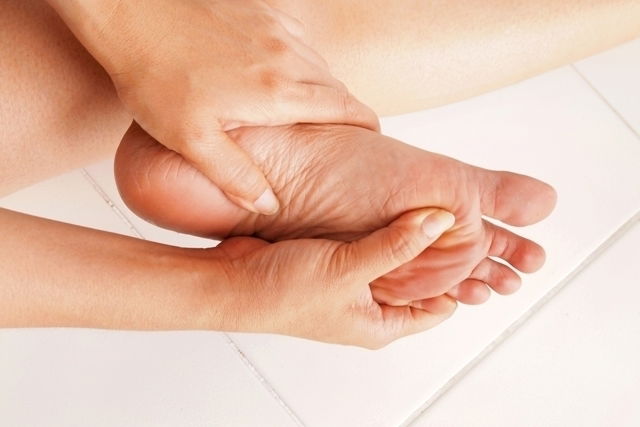
A helpful home remedy for pain at the bottom of the foot is to remove your shoes and do a few simple stretches. Place one hand under your toes, gently pull them toward you, and hold this stretch for about 1 minute. Repeat the exercise 3 times.
Massaging your feet can also help relieve foot pain. Apply a moisturizing cream, then use the palm of your hand to gently press and rub all areas of your foot, focusing more on the spots that feel sore or painful.
Prevention measures
To help prevent bottom of the foot pain, it is best to treat and care for your feet daily. Choose high-quality footwear that is comfortable, lightweight, and fits well. Ideally, shoes should have rubber soles and a small heel, or wide heels that provide good balance while walking.
People who experience foot pain when running should wear running shoes suited to the surface they run on, such as pavement, grass, or sand. Avoid running on uneven ground or grassy areas with holes, as these can increase the risk of falls.