


Boldo is a medicinal plant known for its digestive, liver-protective, and antioxidant properties. It is commonly used in teas, capsules, and tinctures to support liver health, improve digestion, and help relieve symptoms of gastritis and gallbladder problems.
There are two main types of boldo: Peumus boldus and Plectranthus barbatus. Both contain natural compounds that promote bile production, reduce inflammation, and help regulate intestinal function, making them useful for maintaining digestive balance.
Although boldo offers several potential health benefits, its excessive or prolonged use can cause side effects such as nausea, diarrhea, or liver irritation. It should always be used under medical supervision, especially by people who are pregnant, breastfeeding, or have liver, kidney, or gallbladder conditions.
Boldo is not approved by the FDA for medical use or as a dietary supplement in the United States.
Health benefits
The main health benefits of boldo depend on the type that is used. These benefits include:
1. Stimulating liver function
Boldine, which is an antioxidant that is especially prominent in Peumus boldus, can stimulate the production of bile in the liver. Forskolin and barbatusine, which are found in Plectranthus barbatus, can also have the same effect. With increased bile production, liver function can be more efficient and require less effort.
Other antioxidants in the plant can also be liver-protective, and can help to prevent fatty liver, as well as associated symptoms like headache, nausea and general malaise.
2. Supporting weight loss
Glycosylated flavonoids are a component of Peumus boldus and contain a diuretic effect. This can help with the elimination of excess body fluid, making it a good complement to a weight loss program.
Also recommended: 14 Natural Diuretic Teas for Fluid Retention tuasaude.com/en/natural-diuretics3. Complementing treatment of gallbladder problems
Boldo stimulates the release of bile from the gallbladder, which is a compound that helps with the digestion of fat. Therefore, this plant may be beneficial for treating gallbladder problems. In addition, boldo can regulate gallbladder function.
When considered for gallbladder problems, use should be supervised by a healthcare professional. Depending on the severity of symptoms or type of presenting problem, boldo may also be contraindicated.
4. Improving digestion
Both types of boldo can improve digestion and decrease gas, especially when taken as a tea before or immediately following a meal. In addition, boldine can improve the action of bile release by the gallbladder, which helps with the digestion of fats and relief from indigestion.
5. Helping in the treatment of gastritis
Alkaloids that are present in both types of boldo can neutralize stomach acid, making it a useful as a complementary treatment for gastritis. In addition, the astringent properties of boldo can reduce stomach acid production, which may help to relieve heartburn.
6. Relieving symptoms associated with food intolerance
Boldo contains digestive, anti-inflammatory, and anti-spasmodic properties that can help relieve symptoms of some food intolerances, like bad digestion, abdominal cramping and excessive production of gas.
7. Improving intestinal function
Boldine, an alkaloid present in Peumus boldus, acts as a relaxant that regulates intestinal function. This can especially be useful for the treatment of constipation. Boldo also reduces the production of gas and helps to treat intestinal infections.
8. Eliminating fungi and bacteria
Boldo can help to eliminate bacteria like:
- Streptococcus pyogenes (strep A), which causes throat infections or erysipelas (a skin infection);
- Staphylococcus aureus which causes lung, skin and bone infections.
Essential oils made from Peumus boldus also have antifungal properties and are especially effective against Candida sp that cause skin mycosis. Boldo should not, however, be used as a substitute for treatment with antibiotics and should only be used under supervision of a doctor.
9. Having antioxidant action
Boldo is rich in phenolic compounds like polyphenols and alkaloids (especially Peumus boldus), rosmarinic acid, barbatusine, and forskolin (which is found in Plectranthus barbatus). All of these compounds contain antioxidant actions, which fight free radicals and reduce cellular damage.
Boldo can help to delay early aging and can prevent illnesses caused by an excess of free radicals, like Alzheimer's, atherosclerosis, and cancer.
10. Relieving a hangover
Boldo can help to clean up ethanal, which is a substance produced by the liver after consuming alcohol. Most hangover symptoms (like dry mouth, headache, and general malaise) are a result of high ethanal levels. In a addition, boldin is liver-protective and helps to support liver function.
Also recommended: How to Cure a Hangover: 8 Simple Tips tuasaude.com/en/how-to-cure-a-hangoverBoldo tea for COVID-19
Boldo tea has become popular for its potential ability to fight off a COVID-19 infection. There are no studies, however, that support its effectiveness for treatment of this virus.
Although boldo contains many health benefits, boldo tea should not be used for treatment of COVID-19, especially without any medical supervision.
Different types
There are some characteristics that help to differentiate the two most common types of boldo:
Peumus boldus
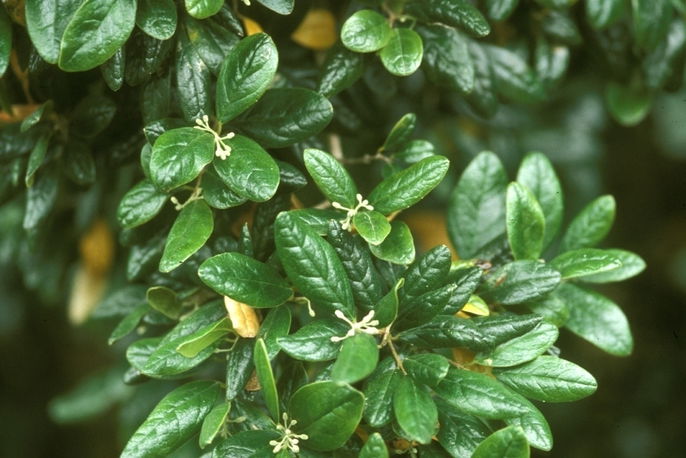
These leaves have smooth borders, and are longer, rougher and rounder.
This type of boldo can be purchased in supermarkets, pharmacies, or natural health stores.
Plectranthus barbatus
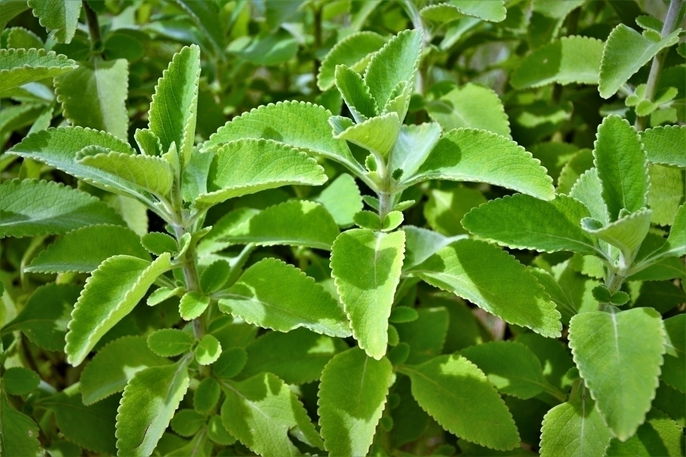
These leaves are larger and are also round. They tend to have a velvety texture with jagged borders.
This type of boldo is not as commercially available, and is usually sold in its plant form at garden centers.
How to use
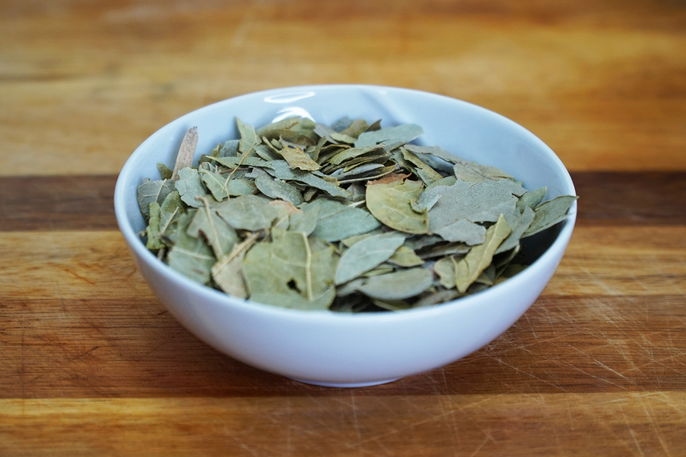
Boldo can be used in several ways, including teas, baths, capsules, juices, and tinctures, using either fresh or dried leaves.
Although boldo offers many potential health benefits, it can also cause side effects. For this reason, it should only be used under the guidance of a doctor or herbal medicine specialist.
1. Boldo tea
Boldo tea should be prepared right before drinking, and the leaves should not be boiled directly with the water, as this can make the tea taste too bitter.
Ingredients:
-
1 tsp chopped fresh Brazilian boldo leaves or chopped dried Chilean boldo leaves;
-
150 mL of water.
Preparation:
Bring the water to a boil, turn off the heat, and pour it into a cup containing the chopped boldo leaves. Let it steep for 5 to 10 minutes, strain, allow it to cool slightly, and drink immediately.
Boldo tea can be consumed 2 to 3 times a day, before or after meals, for a maximum of 20 days.
2. Boldo bath
Another way to use boldo is through immersion baths, which may help clear the skin, relieve pain, and combat lice.
Check out home remedies for lice.
To prepare, boil 1 L of water with a few boldo leaves for about 15 minutes. Then, pour the boldo tea into the bathwater and soak in it for about 10 minutes.
3. Boldo capsules
Boldo is also available in capsule form, usually containing the plant’s dried extract.
Each capsule typically contains between 200 and 400 mg of dried boldo. The general recommendation is to take 1 capsule once or twice a day.
As with any supplement, boldo capsules should be taken only under the advice and supervision of a doctor or herbal medicine specialist.
4. Boldo juice
Boldo juice can be made by blending 1 tsp of chopped boldo leaves with 1 cup of cold water and half a cup of lemon juice. Blend well, strain, and drink immediately.
5. Boldo tincture
Boldo tincture is typically made by diluting 20 g of fresh boldo leaves in 100 mL of 70% ethyl alcohol. Generally, the recommended dose is 2.5 mL of tincture diluted in 75 mL of water, taken three times a day.
Side effects
Both types of boldo are safe for most adults when consumed for short periods of time. Nonetheless, if Peumus boldus is used in excessive doses or if used for over 30 days, it can lead to liver intoxication, nausea, vomiting and diarrhea. This type of boldo can also increase uterine contractions and lead to miscarriage or impede with fetal development, especially when used during the first trimester of pregnancy.
Taking Peumus boldus can also cause anaphylaxis, a serious allergic reaction. Therefore, it is important to monitor for symptoms like a swollen tongue, difficulty breathing or swallowing. You should seek medical attention immediately if you experience any of these symptoms.
Plectranthus barbatus, when taken in high doses or for over 30 days, can also cause stomach burning or pain and diarrhea. If you need to use this plant for longer than 30 days, you should take a 7 day break from it before continuing. In some people, Plectranthus barbatus can cause a skin reaction.
Contraindications for use
Peumus boldus is not recommended for use by children, people with gallstones or biliary duct inflammation, people with liver disease, people with kidney disease, or people with a history of gallbladder or pancreatic cancer. This type of boldo is also contraindicated during pregnancy (especially in the first 3 months) and breastfeeding. If you suspect pregnancy, you should complete a pregnancy test before using boldo, as this plant can increase risk for miscarriage and increased uterine contractions.
Plectranthus barbatus should also not be given to children or consumed by people who are pregnant or breastfeeding. It should also not be used in people with a history of high blood pressure, gallstones, renal disease, or hepatitis.
In its tincture form, Plectranthus barbatusis is contraindicated for people with diabetes or a history of alcohol abuse. This type of boldo should also not be used in conjunction with medications like metronidazole, disulfiram, sedatives, antihypertensives, anti-arrhythmics, digoxin, and hormonal therapy for thyroid conditions. Because of its anti-acidic action, this type of boldo can decrease the effect of some medications that require stomach acid to be absorbed.
You should always use boldo under medical supervision, no matter the type that is used. Otherwise, its use should be guided by an herbal medicine specialist.