


A blown vein happens when a vein ruptures or its wall is injured, most often after a bump or other minor trauma. It can also occur from scratching the skin or hitting a rough surface.
Most of the time, it isn’t serious and leads to brief bleeding or a bruise that fades over a few weeks. However, intense swelling and redness can be a sign of a more serious problem. In those cases, a blown vein may be linked to conditions like deep vein thrombosis or pulmonary embolism.
In many cases, it improves on its own without specific treatment. A primary care provider or vascular surgeon may recommend compression stockings and anti-inflammatory medication, depending on your symptoms. If you have intense swelling and pain, it’s recommended to seek emergency care.
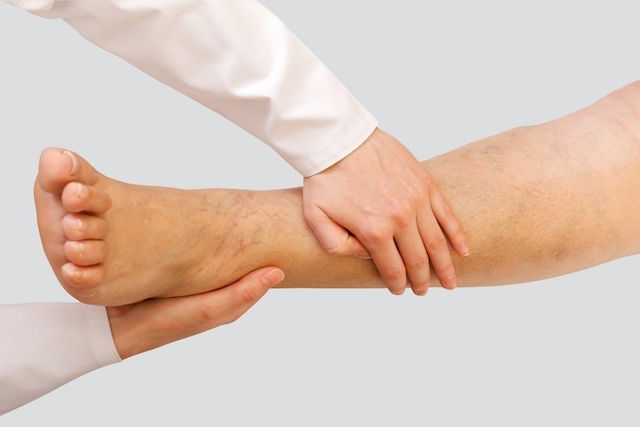
Main symptoms
The main symptoms of a blown vein include:
-
Redness over the affected area;
-
Pain when the area is touched;
-
Itching at the site;
-
Bruising or a purple mark;
-
Bleeding from the blown vein.
A blown vein most often happens in the legs, especially in people with varicose veins. It can also occur in other areas, such as the eye, palm, arm, head, or thigh, and symptoms can vary depending on the location.
Even though a blown vein is usually not serious, it’s recommended to seek emergency care if bleeding won’t stop or if you have intense swelling, ongoing pain, or a large area of redness and warmth.
Possible causes
A blown vein can occur when a vein is damaged by a bump, abrasion (such as from scratching or rubbing against a rough surface), or another type of injury. It may also happen after a blood draw or when an IV catheter has been in place for some time to deliver medication directly into the vein.
Sometimes, especially with varicose veins in the legs or veins in the eyes, it can happen without a clear cause.
Older adults, people with obesity, and those using estrogen-based hormone replacement therapy (HRT) have a higher risk of blown veins, especially after bumps or surgery.
What to do
A blown vein often improves within a few weeks without any specific measures, as long as there is no active bleeding and the affected vein is small. Warm compresses and compression stockings may help with comfort and swelling.
If you have pain, a primary care provider may recommend oral anti-inflammatory medication. If there is intense pain, major swelling, or a large area of redness, it’s recommended to seek emergency care because of the possible risk of deep vein thrombosis (DVT) or pulmonary embolism (PE).
In these emergency situations, treatment may involve anticoagulant medication and, in some cases, surgery.
If there is active bleeding, applying firm pressure for a few minutes and elevating the affected body part is usually enough to stop the bleeding. If bleeding continues, seek emergency care for proper treatment.
Red flags
It’s recommended to seek emergency care if you have:
-
Bleeding that doesn’t stop;
-
Ongoing pain;
-
Intense swelling in the affected area;
-
A large area of redness and warmth;
-
A large bruise around the vein.
In these cases, the risk of developing deep vein thrombosis (DVT) or pulmonary embolism (PE) increases. Tests such as an ultrasound may be recommended to examine the veins in the affected area.
According to the Centers for Disease Control and Prevention (CDC), common warning signs of DVT include swelling, pain or tenderness, warmth, and redness or discoloration of the affected limb. Pulmonary embolism may cause symptoms such as shortness of breath, chest pain, or coughing up blood and requires immediate medical attention.