


To understand blood test results, it's important to consider the type of test ordered by the doctor, the reference values from the laboratory where the test was performed, and the actual result, which must be interpreted by a healthcare professional.
After a complete blood count (CBC), the most commonly ordered blood tests are ESR, CPK, TSH, CRP, liver function tests, and PSA. PSA, in particular, is a key marker for prostate cancer. It’s also common for doctors to order tests that measure iron, ferritin, and transferrin levels, as well as tests for cholesterol and blood sugar.
Before having any blood test, it’s important to check whether fasting is required. Some blood tests need to be done on an empty stomach to ensure accurate results.
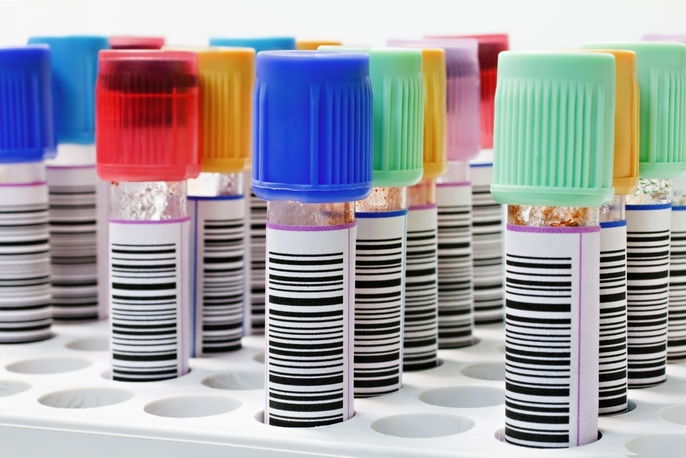
What common blood tests detect
Blood tests that you doctor may order include:
1. Complete blood count (CBC)
The CBC is one of the most frequently ordered blood tests and is used to evaluate white and red blood cells. It helps detect signs of infections, inflammation, anemia, and some types of cancer, based on the quantity and characteristics of the cells. The CBC is typically divided into three main parts:
-
Erythrogram: analyzes red blood cells (also called erythrocytes), hemoglobin, hematocrit (Ht), MCH, MCV, MCHC, and RDW
-
Leukogram: evaluates total white blood cells, including neutrophils, eosinophils, basophils, lymphocytes, and monocytes
-
Platelet count: measures platelets and may also include mean platelet volume (MPV)
Based on the CBC results, a doctor may be able to make a diagnosis or recommend further testing to clarify any abnormal findings.
2. Erythrocyte sedimentation rate (ESR)
The erythrocyte sedimentation rate, or ESR, is used to check for signs of inflammation or infection. It is usually ordered along with a CBC and a C-reactive protein (CRP) test. The test measures how quickly red blood cells settle in a tube over the course of one hour.
Normal ESR values vary by age and sex:
-
Men under 50: up to 15 mm/h
-
Men over 50: up to 30 mm/h
-
Women under 50: up to 20 mm/h
-
Women over 50: up to 42 mm/h
ESR results may indicate:
-
High ESR: colds, tonsillitis, urinary tract infections, rheumatoid arthritis, lupus, inflammation, cancer, or aging
-
Low ESR: polycythemia vera, sickle cell anemia, congestive heart failure, or ulcers
Interpretation should always take into account a person’s medical history and other test results.
3. Iron, ferritin, and transferrin
Tests for iron, ferritin, and transferrin are typically ordered together to evaluate circulating iron levels and iron storage in the body. These tests are especially useful for diagnosing iron-deficiency anemia.
Ferritin is a protein made by the liver that stores iron, while transferrin, also produced in the liver, transports iron to the bone marrow, spleen, and muscles to help maintain healthy body function.
4. C-reactive protein (CRP)
C-reactive protein is made by the liver and is measured when inflammation or infection is suspected. It’s also used to assess cardiovascular risk.
High levels of CRP in the blood can signal conditions such as arterial inflammation, bacterial infections like appendicitis, otitis media, pyelonephritis, pelvic inflammatory disease, cancer, Crohn’s disease, heart attack, pancreatitis, rheumatic fever, rheumatoid arthritis, and obesity.
5. Glucose
A fasting glucose test measures blood sugar levels and helps identify prediabetes or diabetes. A fasting glucose level up to 99 mg/dL is considered normal. Levels between 100 and 125 mg/dL suggest prediabetes, while levels above 125 mg/dL may indicate diabetes.
To confirm a diabetes diagnosis, the doctor may also order tests such as hemoglobin A1c or an oral glucose tolerance test.
6. Creatine phosphokinase (CPK)
The CPK blood test checks for muscle or brain-related conditions and is especially used to assess heart function. It is usually performed along with tests for myoglobin and troponin. Normal CPK levels are 32–294 U/L in men and 33–211 U/L in women.
High CPK levels may be associated with heart attack, stroke, hypothyroidism, electric shock or burns, chronic alcoholism, pulmonary edema, embolism, muscular dystrophy, intense physical activity, polymyositis, or dermatomyositis. Elevated levels can also result from recent intramuscular injections, seizures, or cocaine use.
7. TSH, total T3, and total T4
TSH, T3, and T4 tests evaluate thyroid function. Normal TSH levels range from 0.3 to 4 µIU/mL, though this may vary by lab.
-
TSH (thyroid-stimulating hormone)
-
High: indicates untreated primary hypothyroidism, possibly due to partial thyroid removal
-
Low: suggests hyperthyroidism
-
-
T3 (total triiodothyronine, measured in ng/dL)
-
High: in people undergoing T3 or T4 therapy
-
Low: can occur in serious illnesses, post-surgery, in older adults, during fasting, or with medications like propranolol, amiodarone, or corticosteroids
-
-
T4 (total thyroxine, measured in µg/dL)
-
High: may be seen in myasthenia gravis, pregnancy, preeclampsia, severe illness, hyperthyroidism, anorexia nervosa, or with drugs like amiodarone and propranolol
-
Low: often linked to hypothyroidism, nephrosis, cirrhosis, Sheehan's syndrome, preeclampsia, or chronic kidney disease
-
8. Total cholesterol and lipid panel
A total cholesterol and lipid panel measures levels of HDL (good cholesterol), LDL (bad cholesterol), VLDL, and triglycerides. These values help determine the risk of cardiovascular disease.
9. AST and ALT
AST (aspartate aminotransferase) and ALT (alanine aminotransferase) are liver enzymes. Elevated levels in the blood may indicate liver damage, and are useful markers for conditions such as hepatitis, cirrhosis, and liver cancer. Normal ALT levels range from 7–56 U/L, and AST from 5–40 U/L.
-
-
High: may signal cell death, heart attack, acute cirrhosis, hepatitis, pancreatitis, kidney disease, cancer, alcoholism, burns, trauma, crush injury, muscular dystrophy, or gangrene
-
Low: may be associated with uncontrolled diabetes or vitamin B1 deficiency (beriberi)
-
-
-
High: hepatitis, jaundice, cirrhosis, liver cancer
-
10. Prostate-specific antigen (PSA)
PSA is a hormone produced by the prostate and is often tested to evaluate prostate health. Normal PSA levels are 0–4 ng/mL but can vary depending on age and lab standards. Elevated PSA may be a sign of prostate cancer, prostatitis, urinary retention, or benign prostatic hyperplasia.
11. Urea and creatinine
Urea and creatinine levels are measured to assess kidney function. When the kidneys aren’t working properly, waste products like urea and creatinine build up in the blood instead of being eliminated in the urine.
High creatinine levels may point to acute or chronic kidney failure, dehydration, or a high-protein diet. Additional tests are usually needed to confirm the cause.
12. D-dimer
A D-dimer test is often ordered to check for blood clotting problems such as deep vein thrombosis or pulmonary embolism. In these cases, changes in the clotting process cause D-dimer levels to rise.
It can also be used to investigate heart issues and inflammation, and may help assess the severity of COVID-19.
The reference value for D-dimer is generally up to 0.500 µg/mL or 500 ng/mL. This result should be interpreted along with other blood test results ordered by the physician.