


- Coughing up a large amount of blood or repeated bleeding needs urgent medical evaluation.
- Blood in phlegm with severe shortness of breath, chest pain, wheezing, or blue lips/fingers is an emergency.
- Blood-streaked mucus lasting more than 3 days, especially with fever or thick green/yellow/frothy phlegm, can signal a serious lung or heart problem.
Blood in phlegm is often caused by prolonged coughing or irritation of the airways, especially in young and otherwise healthy people. Small streaks of blood may also appear in people who take blood-thinning medications or who have dry nasal passages.
However, coughing up blood along with symptoms like shortness of breath, fever, chest pain, or green, yellow, or frothy mucus may indicate a more serious condition. Possible causes include infections such as pneumonia or tuberculosis, chronic lung disease, heart disorders, or even a pulmonary embolism.
Persistent bleeding, large amounts of blood, or symptoms like wheezing and difficulty breathing require medical evaluation. Diagnosis may include imaging tests such as a chest X-ray or CT scan, and treatment depends on the underlying cause, ranging from hydration and medications to emergency care.
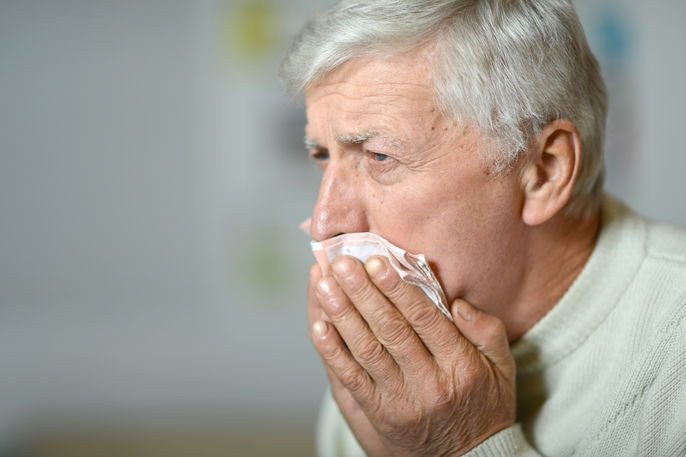
Why is there blood in my phlegm?
Blood in phlegm can be caused by:
1. Persistent coughing
Allergies, the flu, or persistent coughing can sometimes cause small amounts of blood in the phlegm. This happens when the airways become irritated and tiny blood vessels crack, allowing a little blood to mix with mucus.
These causes are usually mild and temporary, and the bleeding typically resolves within a few days as the coughing improves.
How to treat: Try to calm your cough to prevent further irritation. Helpful measures include staying well hydrated throughout the day, using nasal irrigation to keep the mucous membranes moist, and taking a natural cough remedy such as propolis syrup.
Antihistamines like loratadine may also provide relief.
2. Dried airways
Dry airways can affect the nose, throat (pharynx), and voice box (larynx), sometimes causing phlegm with traces of blood. This dryness may result from a cold, the flu, allergies, or frequent coughing or sneezing. When the mucous membranes lining the airways become irritated, tiny surface wounds can form and produce slight bleeding.
Dry air or low humidity in indoor spaces or climates can also dry out the airways. This may cause small blood vessels in the nose or throat to rupture, leading to blood-streaked mucus.
How to treat: In these situations, it’s important to drink plenty of fluids and use nasal irrigation to keep the airways moist. Anti-inflammatory medications may also help relieve associated symptoms.
3. Anticoagulant medications
People taking anticoagulants such as warfarin or heparin have an increased risk of bleeding because these medications thin the blood. In some cases, anticoagulants can also irritate the respiratory tract, and even a mild allergic reaction may cause small amounts of blood to appear in phlegm.
How to treat: Small traces of blood in phlegm are usually not a cause for concern, but coughing up a larger amount should be evaluated by a doctor.
4. Colds and the flu
A cold or flu virus can cause throat irritation and a strong cough, which may rupture small blood vessels in the upper airways. As a result, you might notice traces of blood in your phlegm.
These infections often occur along with other symptoms such as sneezing, a runny or congested nose, sore throat, fever, headache, and body aches.
Colds and the flu are caused by viruses like rhinovirus or influenza, which enter through the nose and infect the throat lining, leading to irritation and inflammation.
How to treat: Stay well hydrated by drinking plenty of fluids, and make sure to get adequate rest.
Your primary care provider may prescribe medications such as pain relievers, anti-inflammatory drugs, or decongestants, for example acetaminophen, ibuprofen, or desloratadine, to help ease your symptoms.
Also recommended: Cold vs. Flu: How to Tell the Difference (Symptom Chart & Timeline) tuasaude.com/en/cold-vs-flu5. Pneumonia
Pneumonia can cause thick or bloody phlegm and is often the result of a viral, bacterial, or fungal infection. It may also occur when food, liquids, or vomit are accidentally inhaled into the lungs.
Other common pneumonia symptoms include shortness of breath, rapid or labored breathing, chest pain, fever, and loss of appetite.
How to treat: You should see a lung specialist (pulmonologist) to identify the underlying cause of the pneumonia and begin the most appropriate treatment. Depending on its severity, treatment may include antibiotics, fever-reducing medications, or oxygen therapy.
6. Tuberculosis
Tuberculosis is a lung infection caused by Mycobacterium tuberculosis. According to the Centers for Disease Control and Prevention (CDC), active TB disease in the lungs can cause a persistent cough that may produce blood or sputum (phlegm).
The World Health Organization (WHO) reports that common symptoms include a prolonged cough (sometimes with blood), chest pain, fever, and night sweats, and that some people may also experience shortness of breath.
Also recommended: Is Tuberculosis Curable? Treatment Approaches & Guidelines tuasaude.com/en/is-tuberculosis-curableHow to treat: Tuberculosis treatment is managed by a lung specialist or an infectious disease specialist and involves taking antibiotics such as rifampicin, isoniazid, pyrazinamide, and ethambutol for several months.
7. Nasal decongestants
Regular or prolonged use of nasal decongestants can lead to bloody phlegm because these medications may irritate and dry out the nasal passages. This irritation makes the airway tissues more likely to bleed.
How to treat: It is important to use nasal decongestants only as prescribed by a healthcare provider and only for the recommended duration.
As an alternative, you can use a saline solution to rinse your nose three times a day.
8. Allergic rhinitis
Allergic rhinitis occurs when the lining of the nose becomes overly sensitive. The nasal mucous membrane becomes inflamed after exposure to triggers such as dust, pollen, or animal dander.
This allergic reaction can cause symptoms like sneezing, a runny nose, itchy nasal passages, and sometimes blood-streaked mucus.
How to treat: It’s important to avoid exposure to allergy triggers whenever possible. If symptoms are more severe, your provider may recommend allergic rhinitis medications, such as desloratadine or cetirizine, to help control them.
You can also prepare natural treatments at home to manage symptoms, such as inhaling eucalyptus steam or drinking peppermint tea.
9. Dry weather or changes in atmospheric pressure
Dry, low-humidity weather, which is common in winter, or sudden changes in atmospheric pressure, such as during flights, high-altitude climbs, or diving, can also cause blood in the phlegm or nosebleeds.
In dry conditions, the nasal mucus can dehydrate and form crusts or cracks, making bleeding more likely when the nose is rubbed, picked, or blown.
When atmospheric pressure changes, bleeding can occur because the lining of the nasal sinuses becomes irritated due to a mismatch between the pressure inside the sinuses and the surrounding air pressure.
How to treat: During dry weather, it is important to keep indoor air moist by opening windows for ventilation or using a humidifier. You should also avoid activities that involve pressure changes, such as diving or hiking to high altitudes, if you have an upper respiratory infection or active allergic rhinitis.
Frequent nosebleeds can sometimes be prevented with medications prescribed by your doctor, including oxymetazoline nasal sprays, pseudoephedrine, or topical intranasal corticosteroids.
10. Sinusitis
Sinusitis is inflammation of the lining of the paranasal sinuses, which are air-filled cavities in the face. It can be caused by bacteria, viruses, fungi, or allergies and often leads to symptoms such as nasal congestion, facial pain, a runny nose, and headache.
Blood in the phlegm may also appear due to swelling and increased sensitivity of the mucous membranes that line the sinuses.
How to treat: To help relieve sinusitis symptoms, rinse your nose with saline solution at least three times a day and try to avoid staying in closed or poorly ventilated spaces.
Inhaling steam during a shower can also provide relief. Your primary care provider or an otorhinolaryngologist (ENT) may recommend specific medications for sinusitis, depending on its underlying cause.
11. Inhaled drugs or other irritants
Using inhaled illicit drugs such as cocaine or poppers, or being frequently exposed to cleaning products or other chemical vapors, can also cause blood in the phlegm or nosebleeds.
These substances irritate the nasal lining, leading to constriction of the blood vessels and drying of the mucosa. As a result, the blood vessels can rupture easily when the nose is touched or blown, causing bleeding.
How to treat: It is important to stop using any drugs and stay away from environments where chemical fumes or irritants are present. Avoid blowing your nose or touching it forcefully, as this can make bleeding worse.
If a nosebleed occurs, tilt your head slightly forward and press the soft part of your nose between your fingers for 10 to 15 minutes. If the bleeding does not stop, seek medical care at the nearest emergency department.
12. Nasal surgery
After nasal surgery, it is common to notice blood in the phlegm during the recovery period. This can result from irritation or swelling of the nasal and sinus linings caused by the surgical procedure, which may lead to congestion and reduced mucus drainage.
In addition, small blood clots that form as part of the healing process can mix with mucus, giving the phlegm a bloody appearance.
How to treat: It is important to carefully follow your surgeon’s post-surgical care instructions. Your surgeon may prescribe nasal sprays or other medications to reduce swelling and may demonstrate how to clean your nose properly, typically using saline solutions.
In addition, you should avoid blowing your nose forcefully, touching it roughly, or lifting heavy objects. Keeping your head elevated with pillows or by slightly raising your upper body can help reduce nasal congestion and minimize bleeding. Staying well hydrated by drinking plenty of water also helps keep the nasal passages moist and prevents dryness.
13. Bronchiectasis
Bronchiectasis is a chronic lung condition in which the bronchi become permanently widened. This can cause excessive mucus production, frequent shortness of breath, and often blood in the phlegm.
Although there is no cure, treatment prescribed by a lung specialist can help manage symptoms and reduce flare-ups.
How to treat: Bronchiectasis must be diagnosed by a healthcare provider to ensure the right treatment is provided. If you suspect you have this condition, consult a lung specialist (pulmonologist) for a detailed evaluation, which may include a chest X-ray and a thorough lung examination with a stethoscope.
14. Bronchitis
Bronchitis can also cause blood in the phlegm. This condition involves recurring inflammation of the bronchial tubes, leading to airway irritation and a higher risk of bleeding.
The phlegm is usually white or slightly yellow, but streaks of blood may sometimes appear. Other common symptoms include wheezing, frequent fatigue, and shortness of breath.
How to treat: In many cases, rest and proper hydration are enough to relieve bronchitis symptoms. However, if your symptoms persist or breathing becomes more difficult, you should seek medical evaluation, as intravenous medication may be necessary.
People with chronic bronchitis are usually monitored by a lung specialist, who may prescribe bronchitis medication to manage symptom flare-ups.
15. Pulmonary edema
Pulmonary edema occurs when fluid builds up inside the lungs. It often affects people with heart conditions such as congestive heart failure, in which the heart cannot pump blood effectively. As a result, blood backs up into the small vessels of the lungs.
In these cases, the phlegm may appear pink or red and often looks frothy. Other symptoms can include shortness of breath, bluish lips or fingers, chest pain, and a rapid heartbeat.
How to treat: Pulmonary edema is a medical emergency. If you have a history of heart disease and notice changes in your breathing or lung function, go to the emergency room right away for evaluation and treatment. In many cases, hospital admission is recommended for proper care.
16. COPD exacerbation
COPD (chronic obstructive pulmonary disease) is a long-term inflammatory lung condition most often caused by chronic bronchitis or pulmonary emphysema. These diseases lead to narrowing of the bronchi and bronchioles, making it harder to breathe.
Although COPD can be controlled with treatment, flare-ups or symptom worsening may occur, often triggered by infections such as bacterial pneumonia.
During a flare-up, symptoms may include coughing up thick green or blood-streaked phlegm, rapid or labored breathing, wheezing, fever, severe fatigue, and swelling of the legs or ankles.
How to treat: Follow the treatment plan prescribed by your doctor or pulmonologist. It may include medications such as antibiotics, bronchodilators, or corticosteroids.
17. Lung cancer
Lung cancer is a less common cause, but it can lead to blood in the phlegm. It occurs most often in people over 40 and in those who smoke.
Other symptoms may include a persistent cough that does not improve, unexplained weight loss, hoarseness, back pain, and severe fatigue.
How to treat: If cancer is suspected, especially in people with known risk factors, it is important to see a pulmonologist for a full evaluation and diagnostic testing. In general, the earlier cancer is detected, the higher the chance of successful treatment.
18. Mitral stenosis
Mitral stenosis is a condition in which the opening of the mitral valve in the heart becomes narrowed. It can cause symptoms such as shortness of breath when lying down, palpitations, fatigue, or weakness during physical activity.
The shortness of breath may sometimes trigger severe coughing, which can rupture small blood vessels and result in bloody phlegm.
How to treat: Follow the treatment plan recommended by your cardiologist. It may include medications to relieve symptoms or, in some cases, surgery to repair the valve.
19. Pulmonary embolism
Pulmonary embolism occurs when a blood clot, usually formed in a deep vein of the leg, travels through the bloodstream and lodges in an artery of the lung.
This can reduce blood flow or completely block it, leading to severe coughing, chest pain, shortness of breath, and blood-streaked phlegm.
How to treat: If you experience symptoms of a pulmonary embolism, go to the nearest emergency department immediately.
Treatment may include anticoagulant or thrombolytic medications, placement of an inferior vena cava filter, or extracorporeal membrane oxygenation (ECMO) therapy.
20. Congestive heart failure
Congestive heart failure (CHF) is a condition in which the heart cannot pump blood efficiently. As a result, fluid can build up in the lungs, leading to pulmonary edema.
This may cause symptoms such as persistent coughing, blood-tinged phlegm, and shortness of breath.
How to treat: Treatment is managed by a cardiologist, who may recommend medications, lifestyle and dietary changes, or in severe cases, a heart transplant.
When to see a doctor
You should see your primary care provider or a pulmonologist if you continue to notice blood in your phlegm.
Seek medical attention right away if you experience any of the following:
- Blood in your phlegm that lasts more than three days;
- A large amount of blood in the phlegm;
- Additional symptoms such as high fever, severe shortness of breath, pale skin, or a bluish tint to your fingers or lips.
In these situations, a healthcare provider may order tests such as a chest X-ray, spirometry, or a CT scan to determine the cause.