


Medications and supplements for hair loss
Medications such as minoxidil, finasteride, spironolactone, and alpha estradiol can help promote healthy hair growth and slow down hair loss by nourishing the scalp and improving blood circulation.
In addition to medications, certain vitamin and mineral supplements may also be recommended to support hair health. Options that contain biotin, zinc, and B-complex vitamins are among the best hair growth supplements available in the US.
To determine the most effective treatment, it is important to consult a dermatologist, who can identify the cause of hair loss and recommend the most appropriate vitamins, products, or medications for each case.
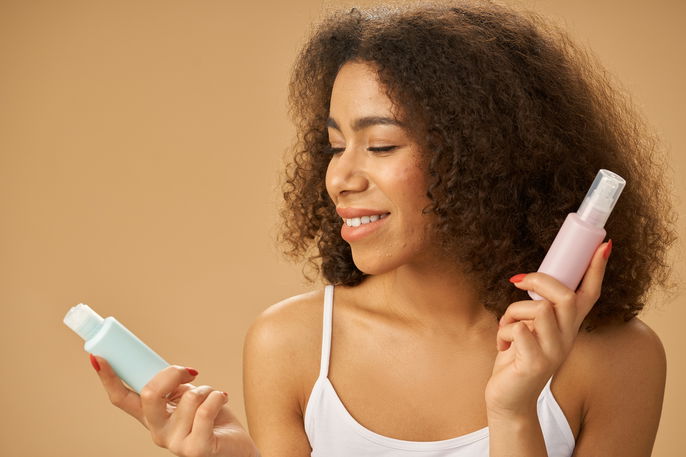
Main medications and supplements
Supplements and medications your doctor may recommend include:
1. Minoxidil
Minoxidil is a topical solution that helps nourish the scalp and stimulate blood flow by widening blood vessels. This improves circulation and prolongs the growth phase of hair, making it useful for treating androgenetic alopecia in adults.
It is available in 2% and 5% concentrations and should only be used under a dermatologist’s guidance.
How to use: apply the solution to dry areas of the scalp where hair is thinning, massaging gently twice a day. The typical dose is 1 mL per application, and treatment usually lasts 3 to 6 months or as directed by a doctor.
Who should not use: people allergic to the formula, pregnant or breastfeeding women. The 5% solution should not be used by women unless specifically prescribed by a doctor.
2. Finasteride
Finasteride is prescribed for men with androgenetic alopecia to encourage hair growth and prevent further loss.
It is available in 1 mg tablets and must be taken with medical supervision.
How to use: the recommended dose is 1 mg once daily for at least 3 months, or as directed by a doctor.
Who should not use: women, children, pregnant or breastfeeding women, and people allergic to the medication.
3. Spironolactone
Spironolactone is typically used to treat high blood pressure and fluid retention, but because of its antiandrogenic effect, doctors may also recommend it for women with alopecia.
It helps slow hair loss and can promote regrowth in women, either alone or combined with minoxidil to enhance results.
How to use: spironolactone must be prescribed by a doctor, with doses individualized for each person.
Who should not use: people allergic to the formula, those with acute kidney failure, severely impaired kidney function, lack of urine production, Addison’s disease, or high potassium levels. It should not be used during pregnancy or breastfeeding.
4. Alpha estradiol
Alpha estradiol solutions, such as Avicis, are indicated for androgenetic alopecia in both men and women.
Also recommended: Alopecia Areata: Symptoms, Causes Diagnosis & Treatment tuasaude.com/en/alopecia-areataHow to use: apply once daily, preferably at night, using the applicator with light movements for about 1 minute so that roughly 3 mL of the solution reaches the scalp. Then massage the area and wash your hands.
Who should not use: people allergic to the formula, pregnant or breastfeeding women, and those under 18 years of age.
5. Betamethasone
Betamethasone dipropionate combined with betamethasone disodium phosphate (Diprospan) may be prescribed for hair loss caused by alopecia areata.
This medication has strong anti-inflammatory and immunosuppressive effects, preventing the immune system from attacking healthy hair follicle cells and helping reduce hair loss.
How to use: Diprospan injections are administered by a dermatologist directly into affected areas of the scalp, intradermally, with a maximum dose of 1 mL per week.
Who should not use: people allergic to betamethasone or other corticosteroids, or those with systemic fungal infections. It should not be used in children under 15 years old, or by pregnant or breastfeeding women.
6. Biotin supplements
Biotin supplements are among the best hair growth supplements and are often recommended for men and women with thinning hair. Biotin supports keratin production, which strengthens hair strands and helps reduce breakage.
How to use: the dosage depends on the brand, but it is typically 1 capsule daily with food, as directed by a doctor. Read more about biotin for hair growth.
Who should not use: people allergic to the formula. Pregnant or breastfeeding women should only use biotin supplements if recommended by a doctor.
7. Multivitamin formulas with zinc and B-complex
Multivitamins that include zinc, vitamin B6, and other B-complex vitamins are widely available in the US and can support hair and nail health. These nutrients help protect hair from oxidative damage, reduce shedding, and promote stronger growth.
How to use: usually 1 capsule or tablet daily for at least 3 months, or as advised by a healthcare professional.
Who should not use: children under 3 years old and people allergic to any ingredients. Pregnant and breastfeeding women should only use under medical supervision.
8. Keratin-based supplements
Supplements that contain keratin, cysteine, and calcium pantothenate may be recommended for diffuse or seasonal hair loss, particularly in women. These are considered some of the best hair growth supplements for restoring healthy hair and nails.
How to use: the recommended dose is 1 capsule, 2 to 3 times daily, for 3 to 6 months, depending on the brand and medical advice.
Who should not use: children under 12 years old, pregnant or breastfeeding women, and anyone allergic to the components.